The Art of Preserving Heritage: Lukhanyo Mdingi’s The Provenance Part II
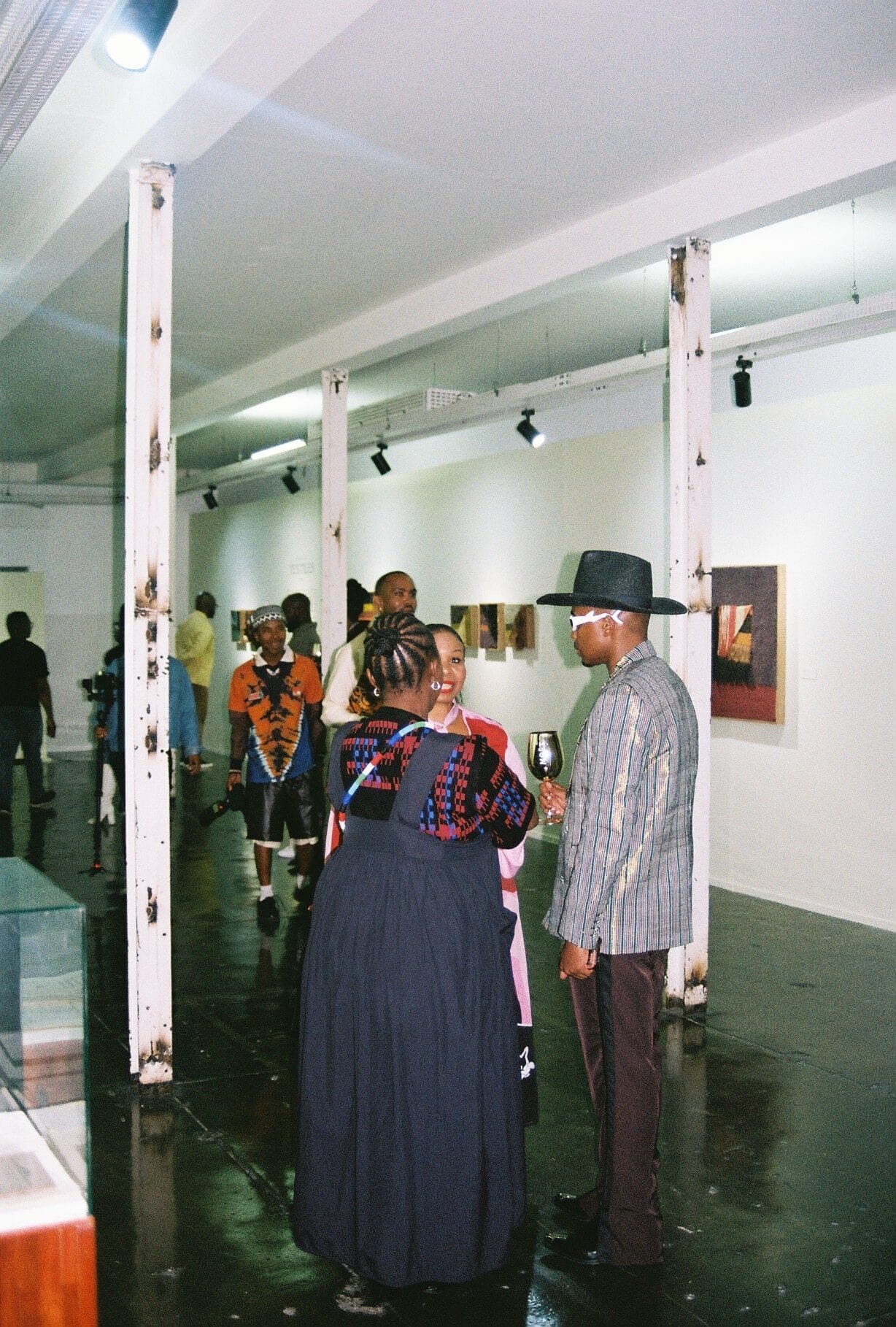
What is considered archival work and what is designated as art are often perceived as conceptually distinct practices. However, The Provenance Part II blurs that line, proving that the two can share commonalities. Lukhanyo Mdingi’s latest iteration of The Provenance at Constitution Hill offers a space for deep contemplation. It’s an intellectual experience, manifested creatively, set within a milieu that naturally transports you into a state of remembrance — a tangible reminder of the past — preserved, less than delicately, as a formidable introspection into South Africa’s history.
The process of archiving goes back to antiquity. Throughout history, every society has developed methods and strategies for conserving essential raw materials intended for research purposes. Lately, the portrayal of memory has emerged as a frequent topic of conversation spanning various fields, particularly in discussions surrounding issues of identity and belonging. Contextualising the past in a physical space, creatively, is quintessential in light of ever-increasing digital channels for creating and sharing information.
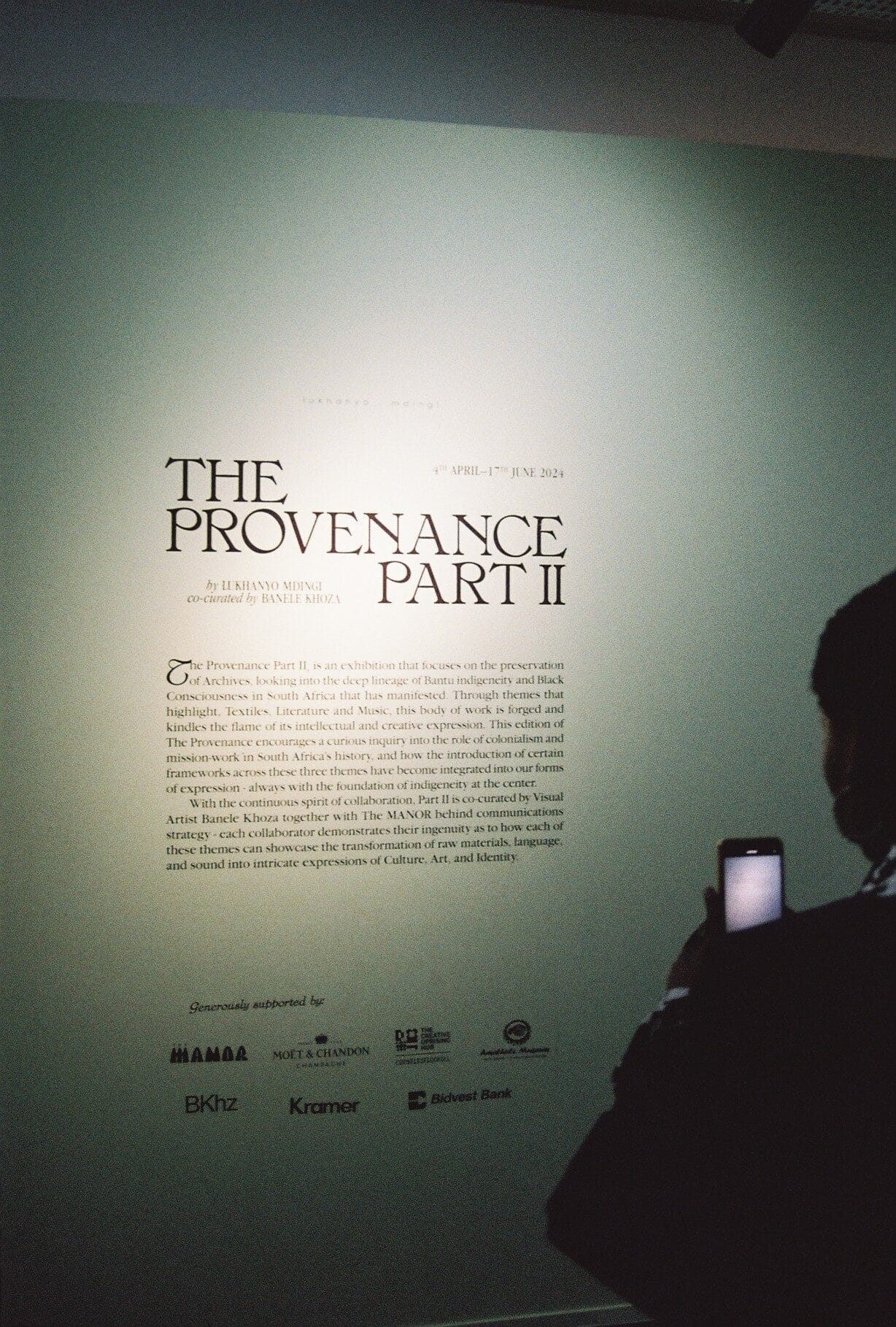
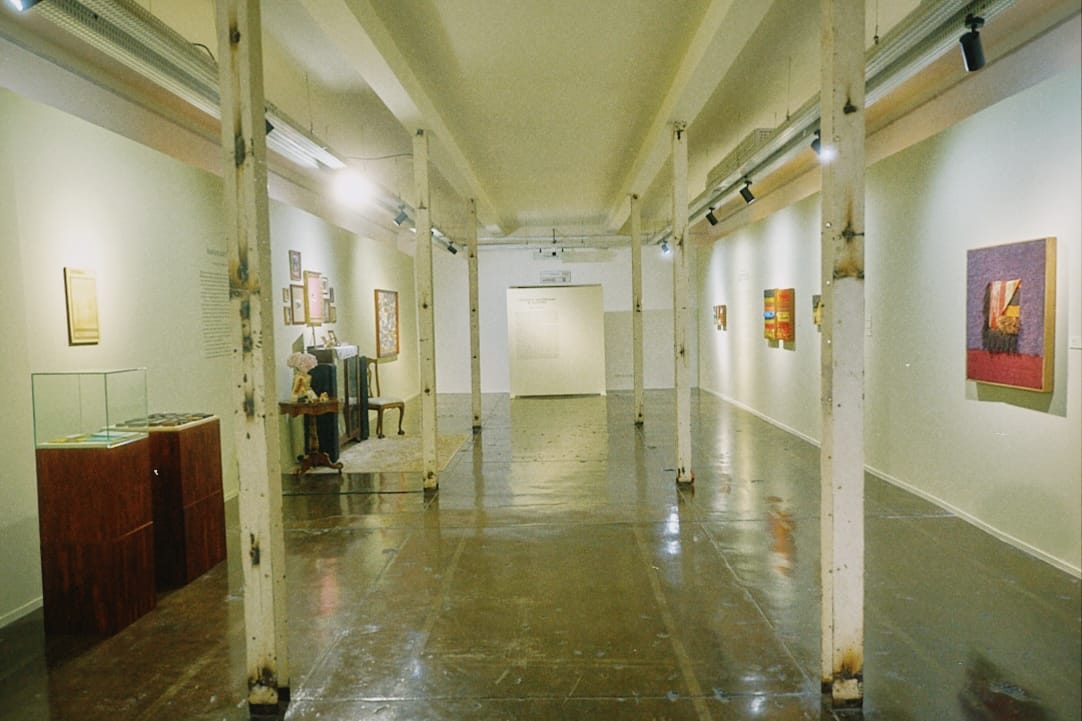
The Provenance Part II is personal, theatrical and informed — the exhibition simultaneously memorialises the past, while formulating multiple intersections of identity, heritage and cultural memory that live in the present. South Africa’s history is complex and often looked back upon in a negative light, where scenes of struggle and hardship are at the forefront, yet amidst this complexity, it also bears tales of resilience, triumph, and nostalgia that be viewed through a positive lens. Lukhanyo Mdingi harnesses the anecdotes of his childhood and his family through this multi-sensory experience — preserving and celebrating these archives within three themes that reflect the spirit of Bantu heritage: Textiles, literature, and music.
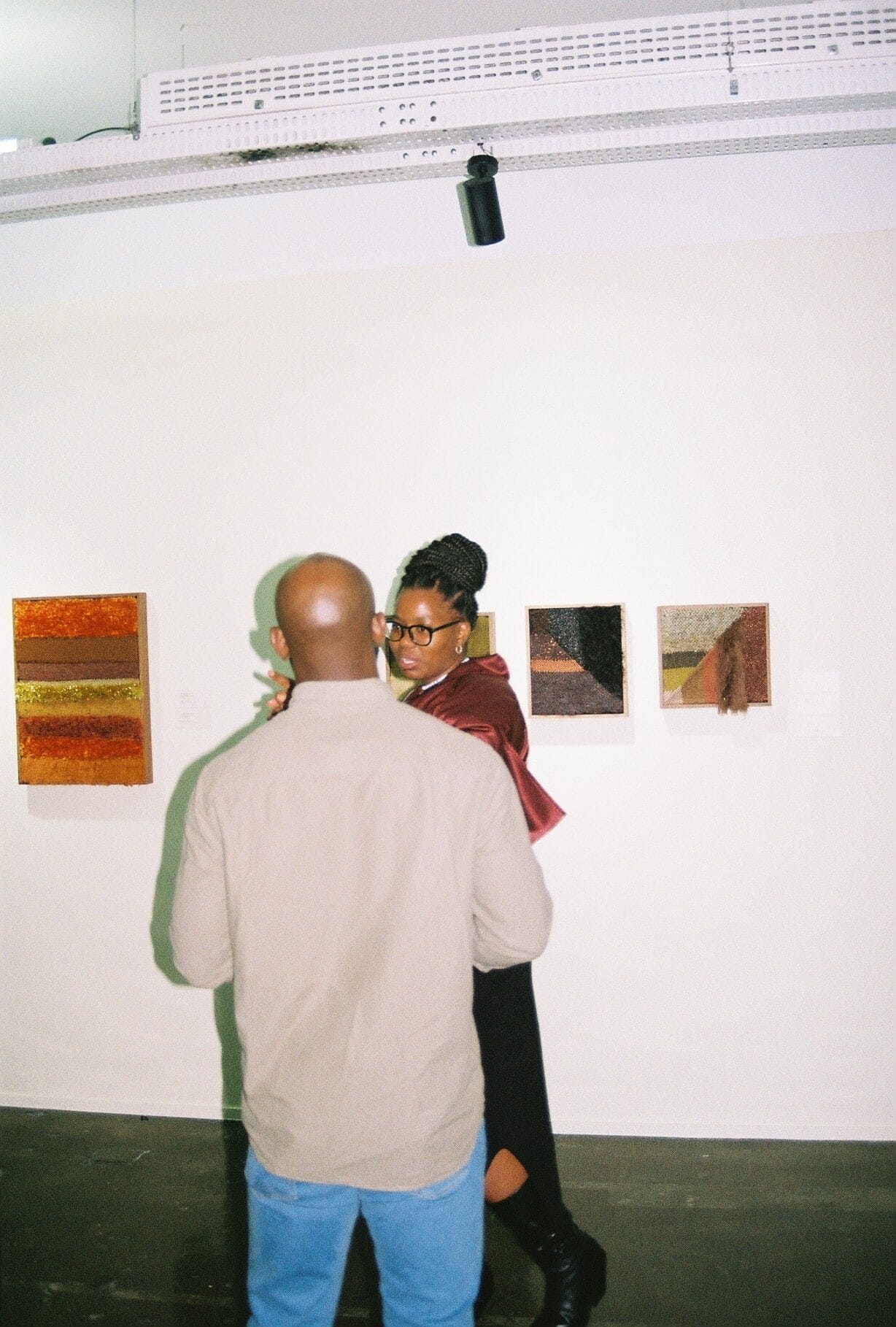
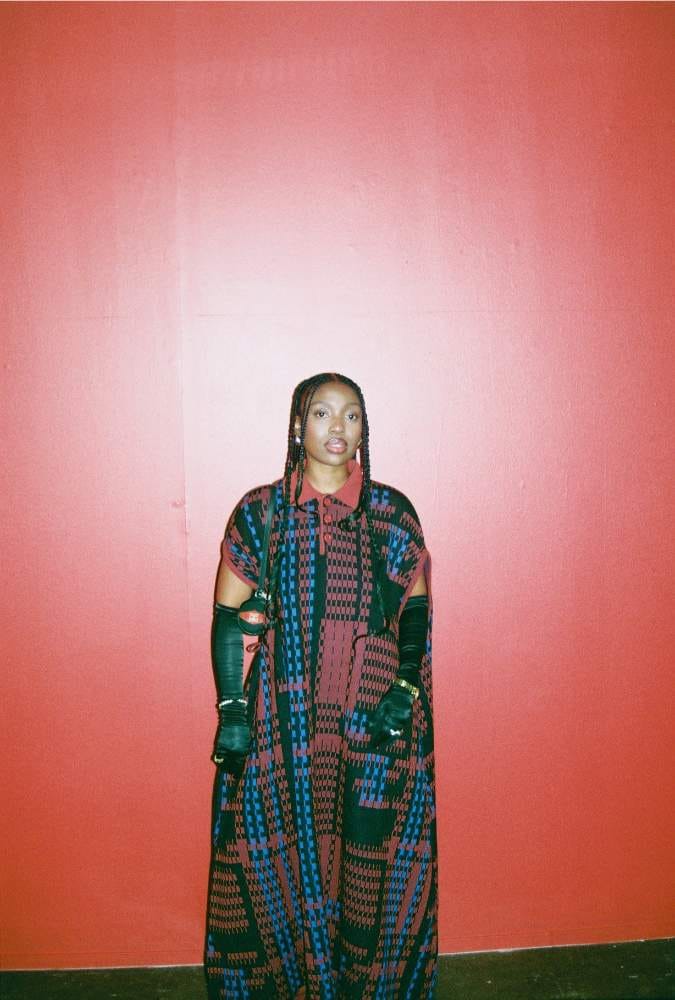
The textile aspect is a collaboration with Philani, which was originally set up as a pediatric clinic in the township of Crossroads by Ingrid le Roux and a team of medical students in October 1978. What began as an initiative to treat malnourished children who lived in the area grew into a powerful and multi-faceted upliftment programme with a far-reaching impact on impoverished communities in surrounding areas. Philani’s collaboration with Lukhanyo Mdingi has allowed the mothers to continue providing for themselves and their families and add to their repertoire of creative skills this is something that has been seen through the hand-woven tapestries that have been created by the mothers of Philani.
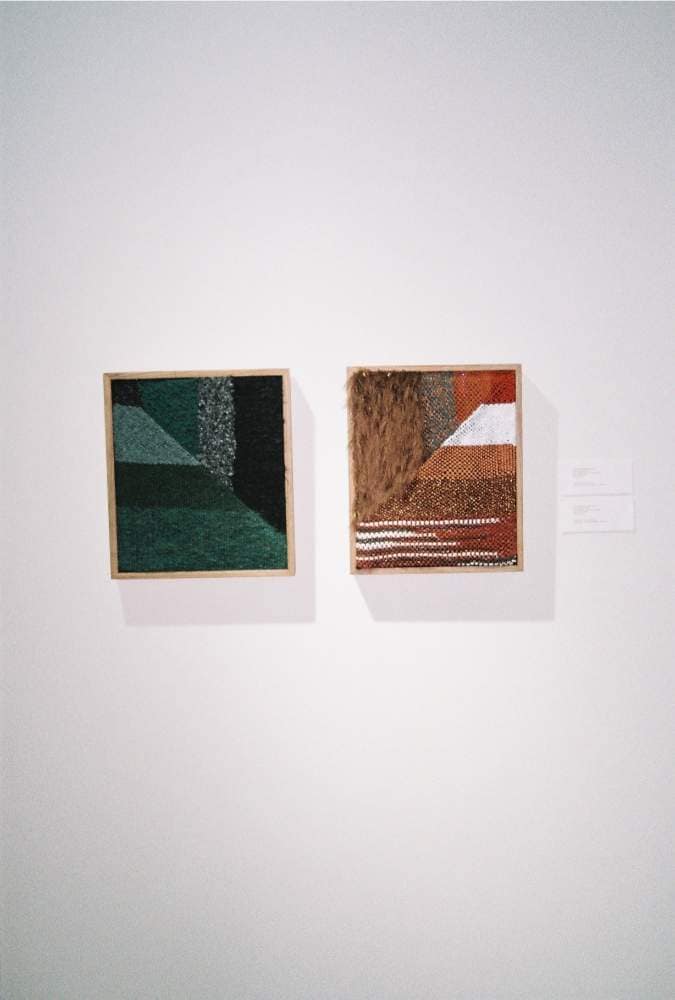
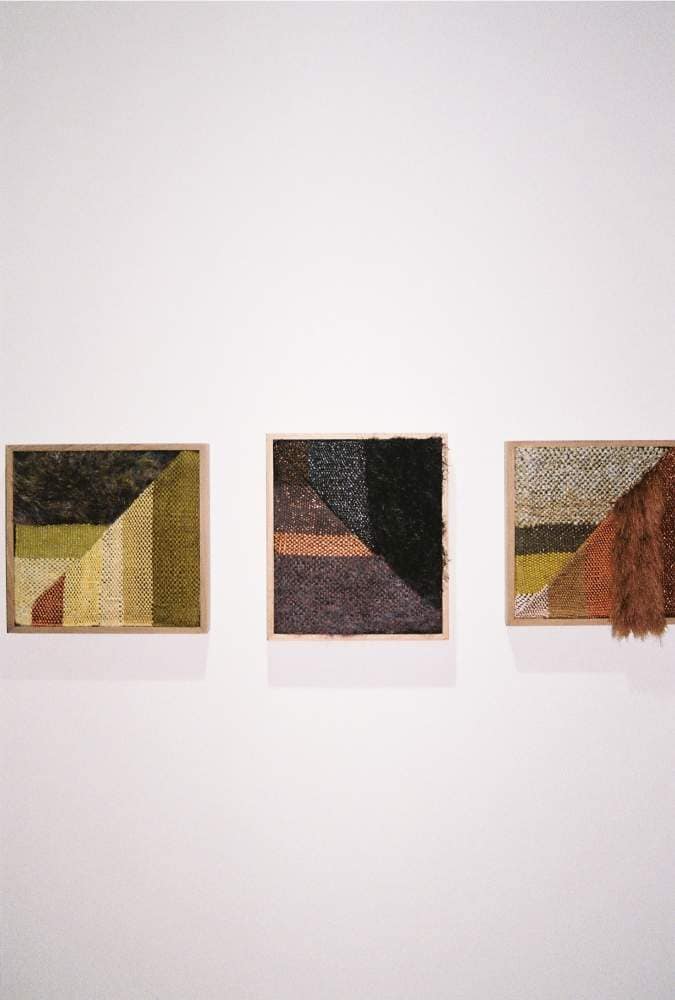
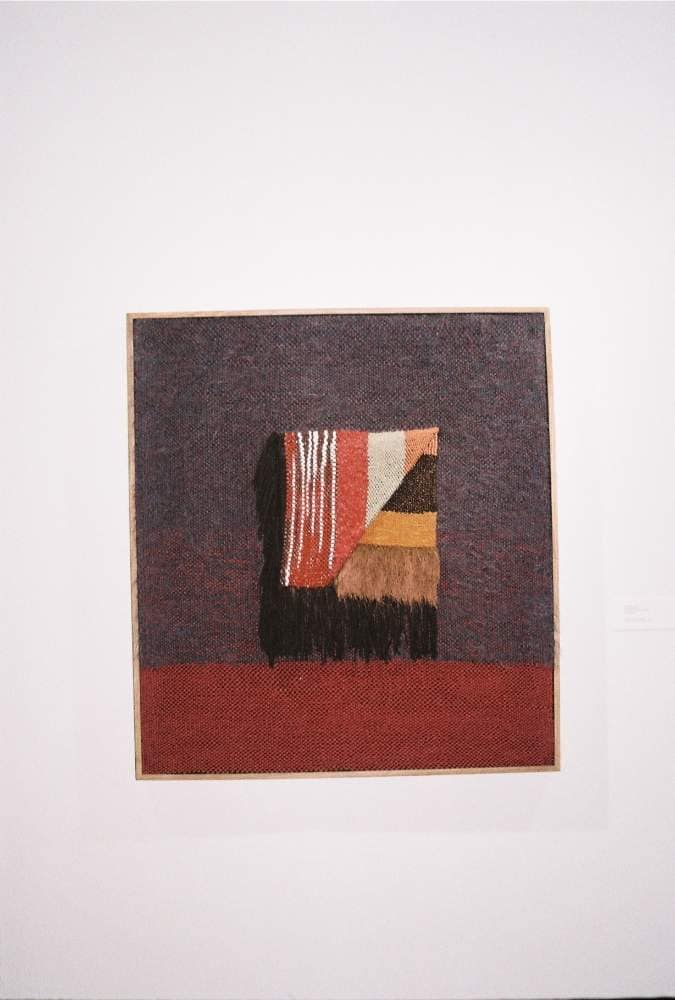
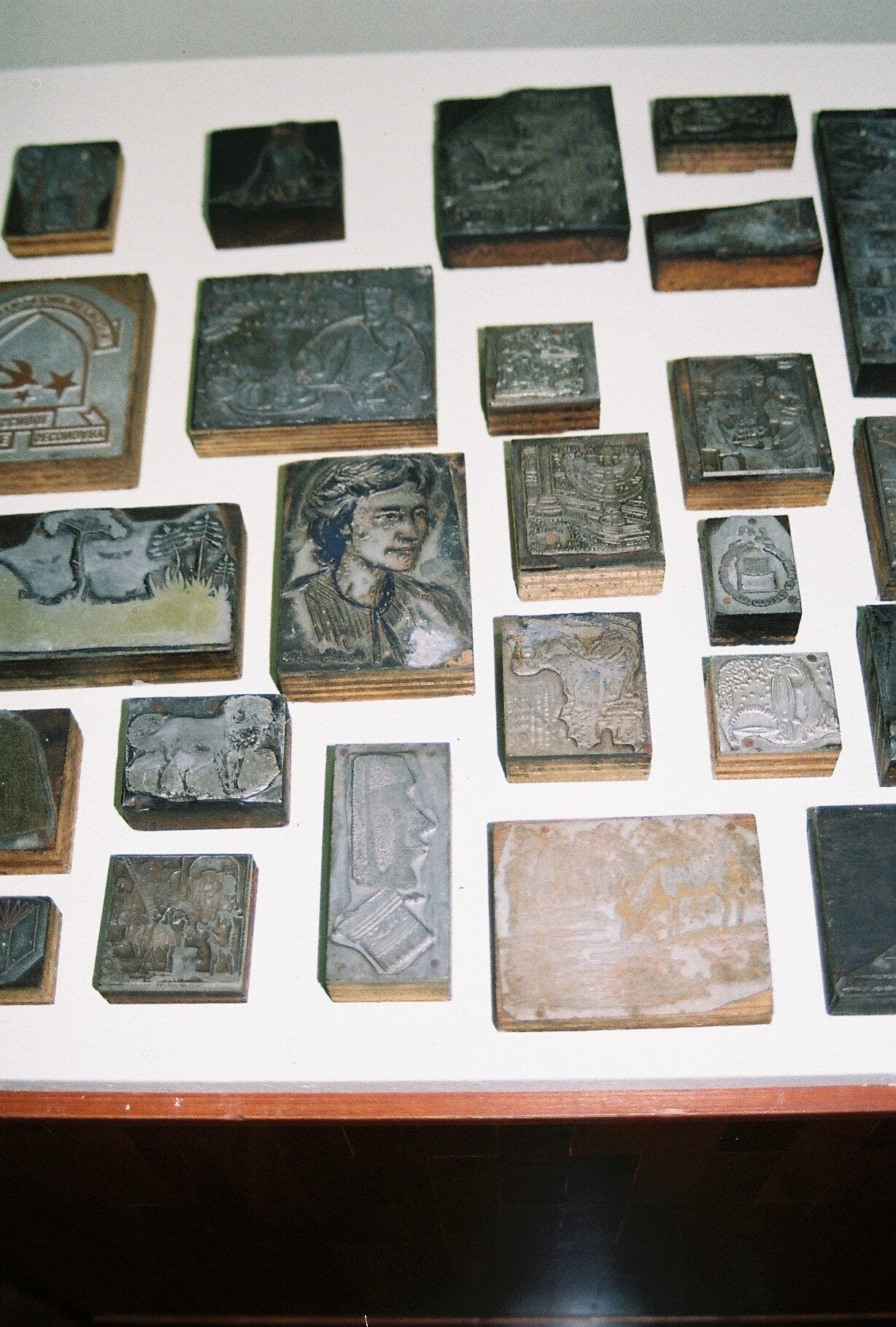
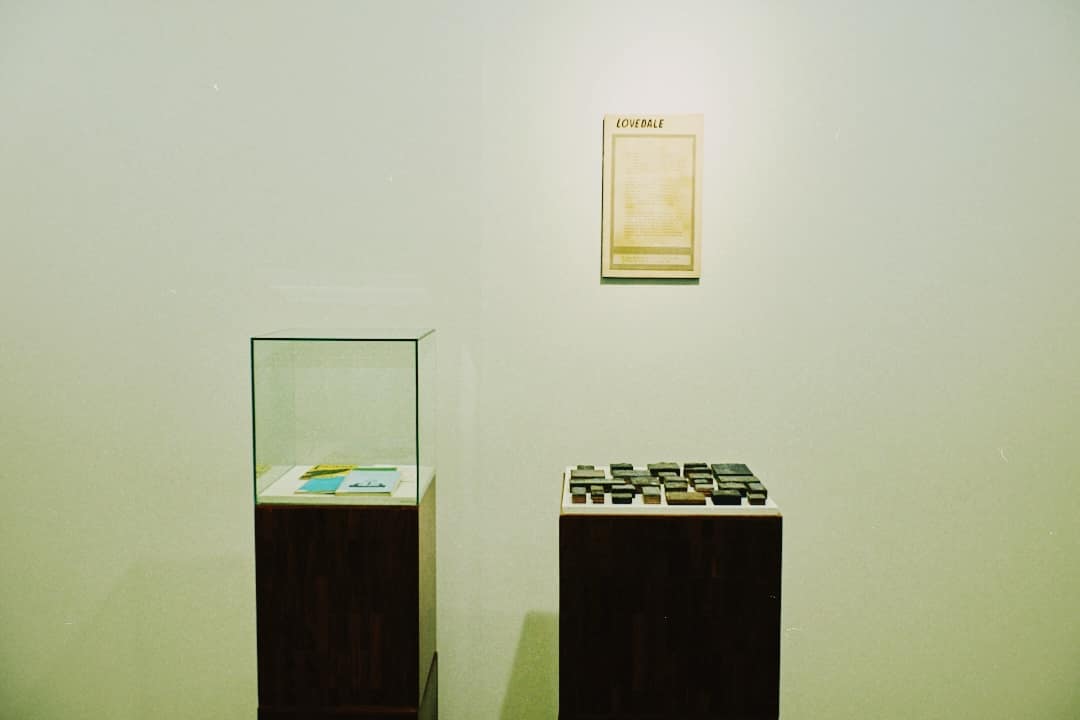
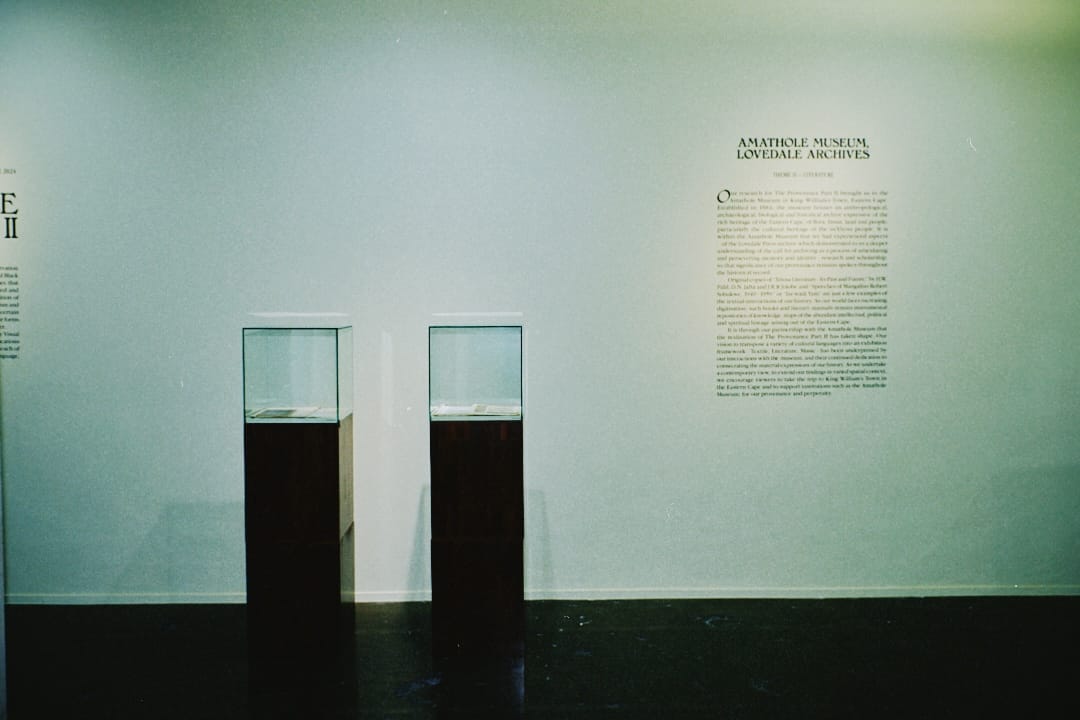
The theme of literature pays homage to the Lovedale Press, established in 1861 as a division of the educational institution which broke new ground by publishing black writers whose stories
were shunned by white-owned presses. The archived works are curated and exhibited along with spoken word poetry by Nontozintle Emerald Mdingi, Lukhanyo’s grandmother.
Having the opportunity for her to engage and recite with past textbooks; specifically poetry and scripture, would be a sentiment to her history,” Lukhanyo Mdingi says
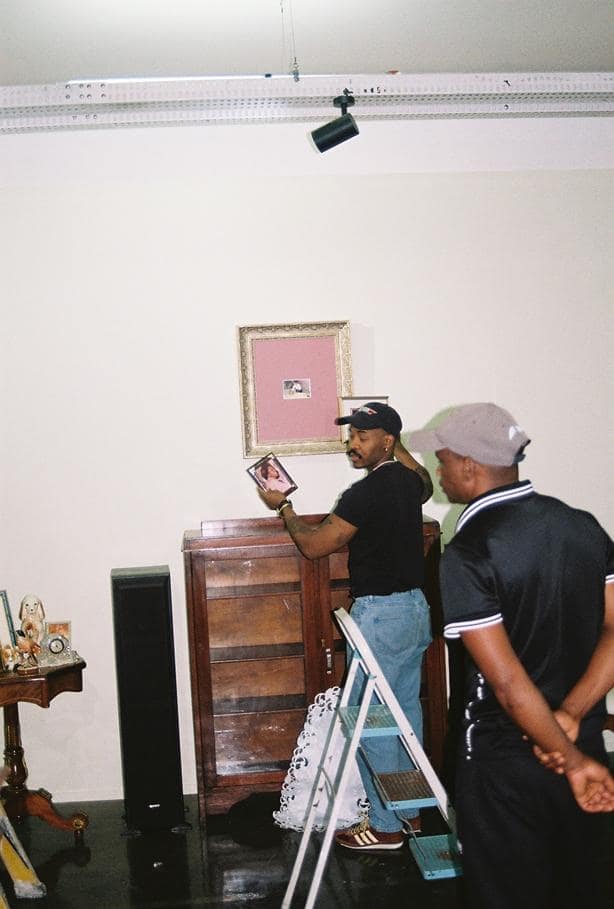
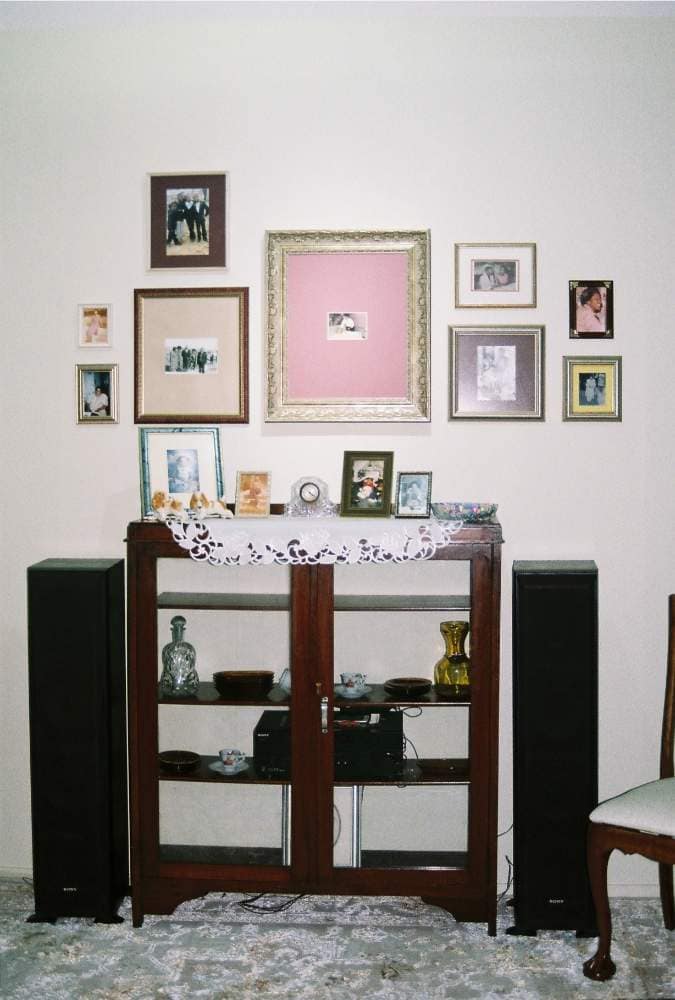
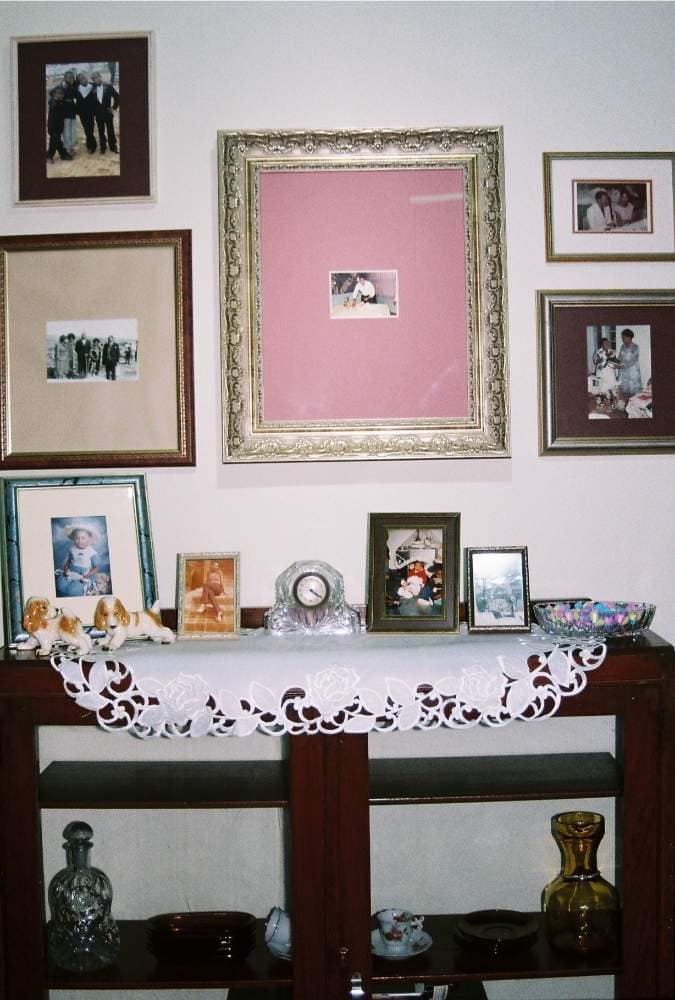
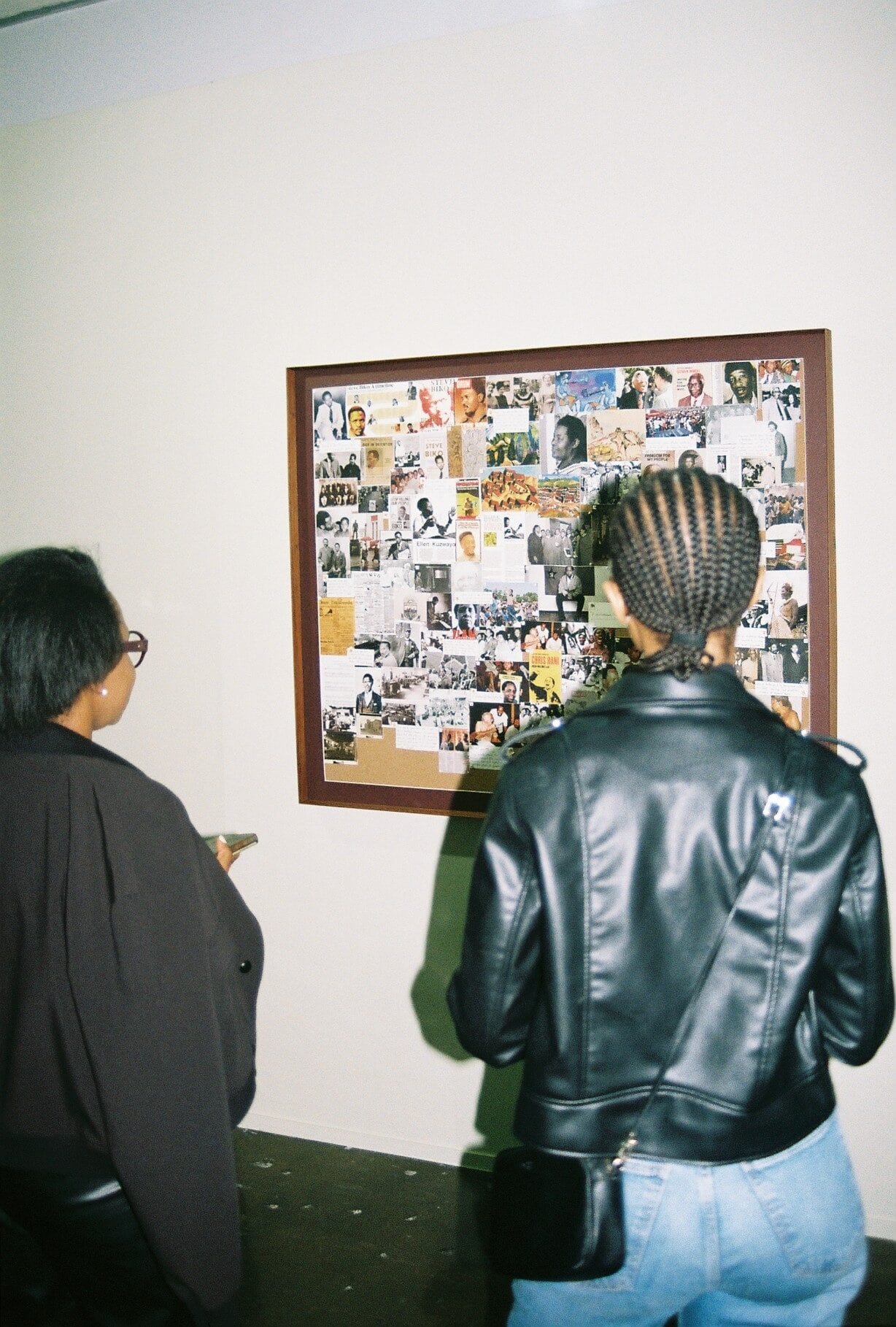
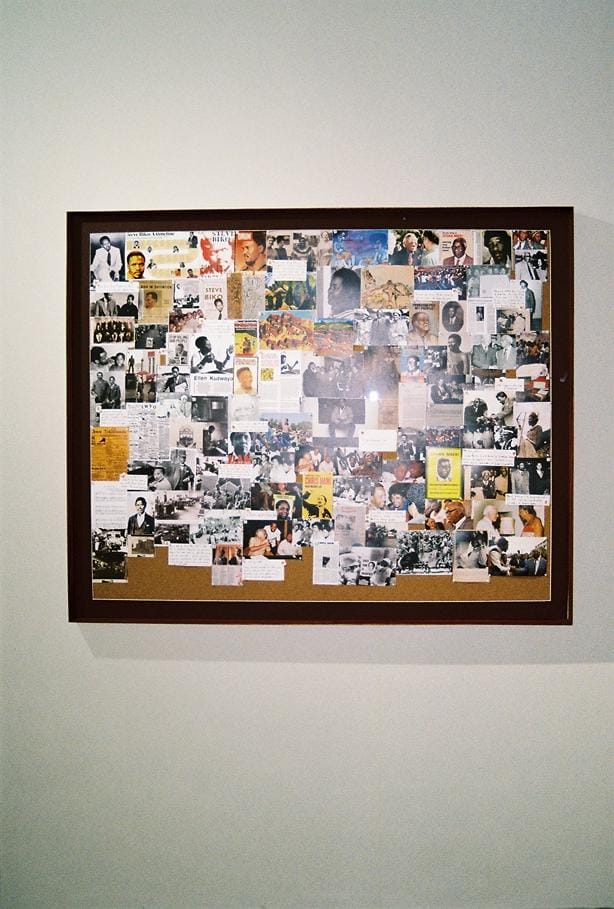
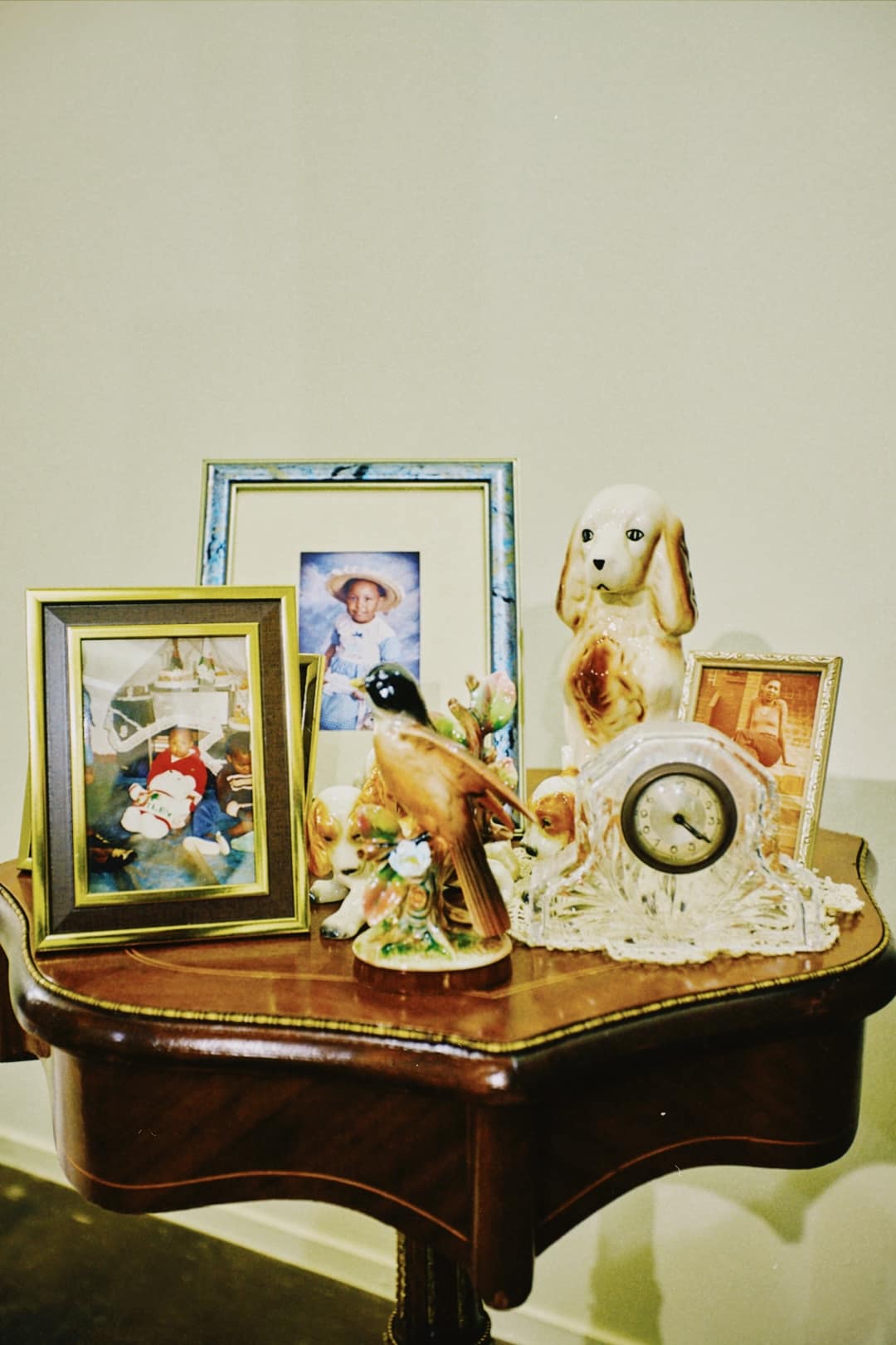
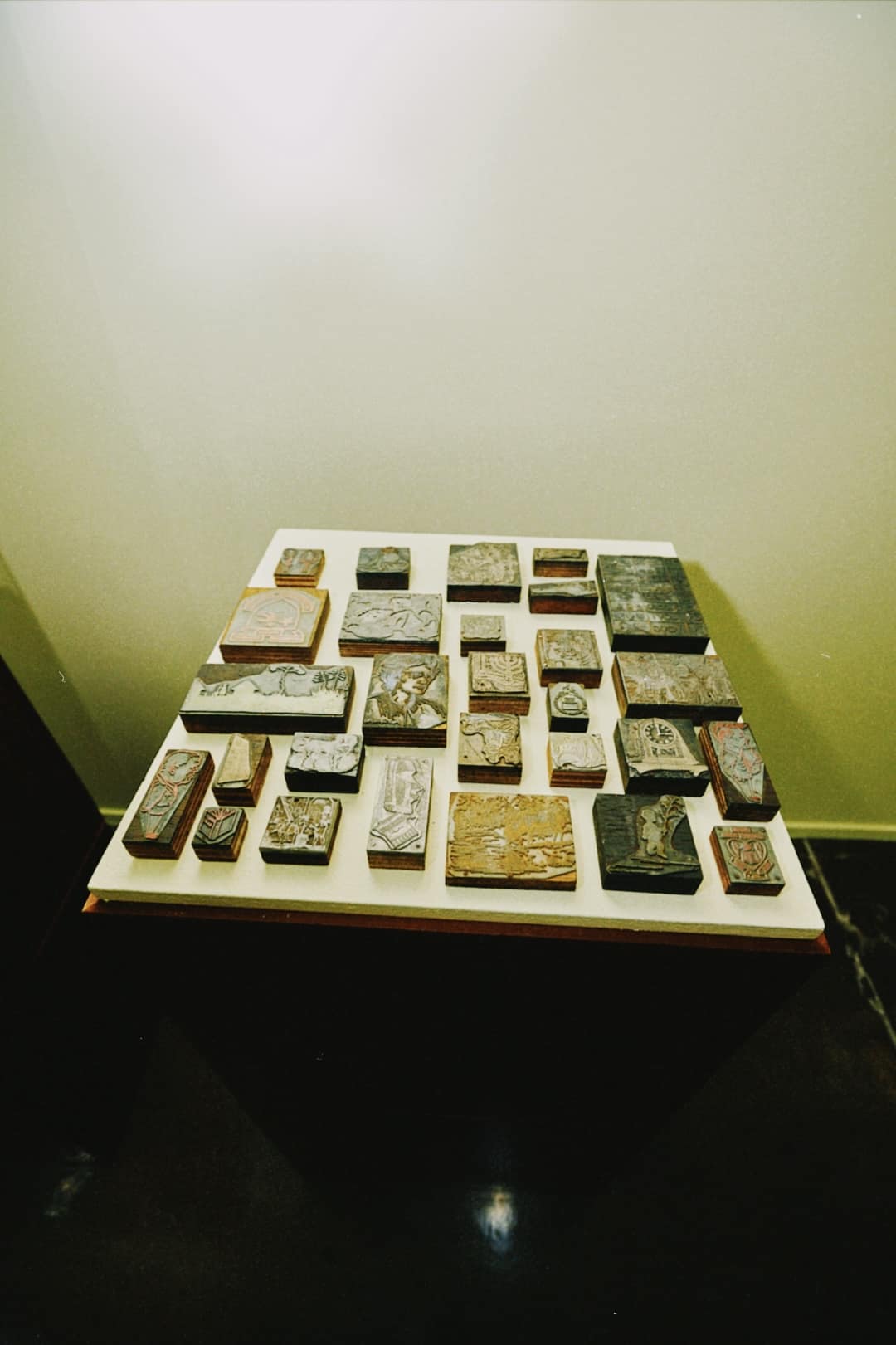
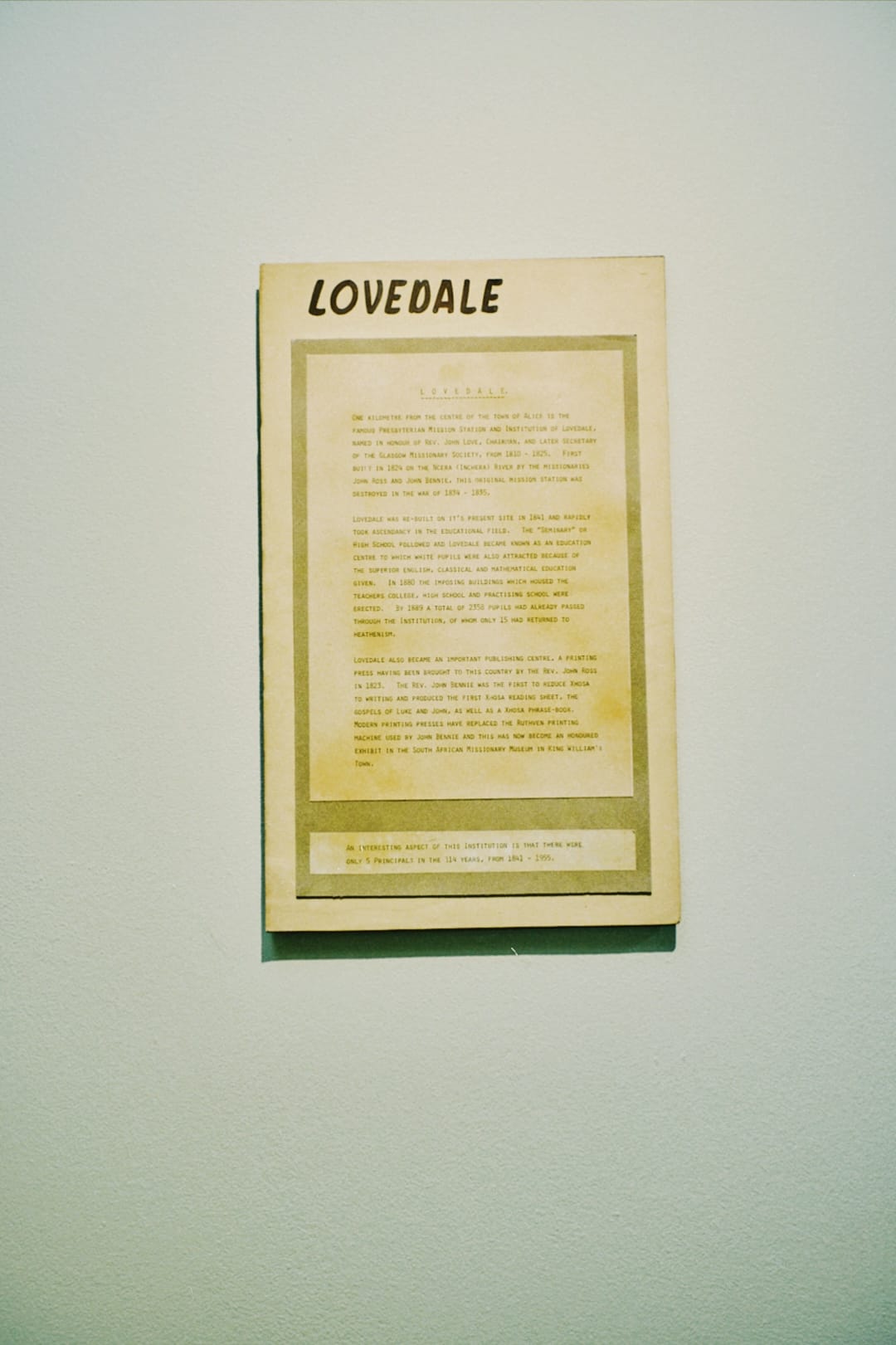
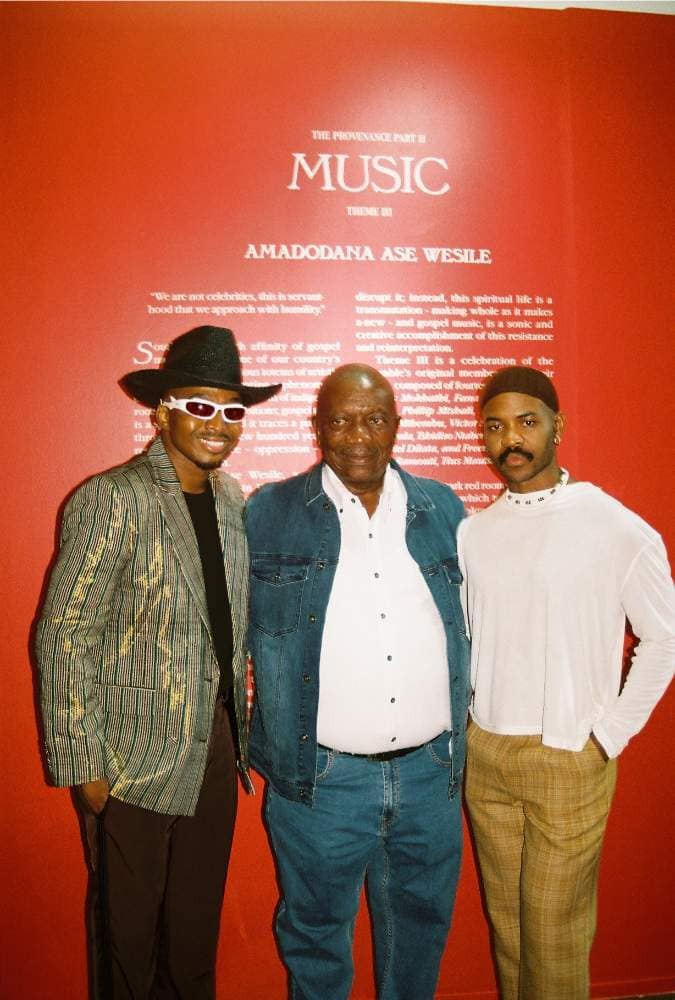
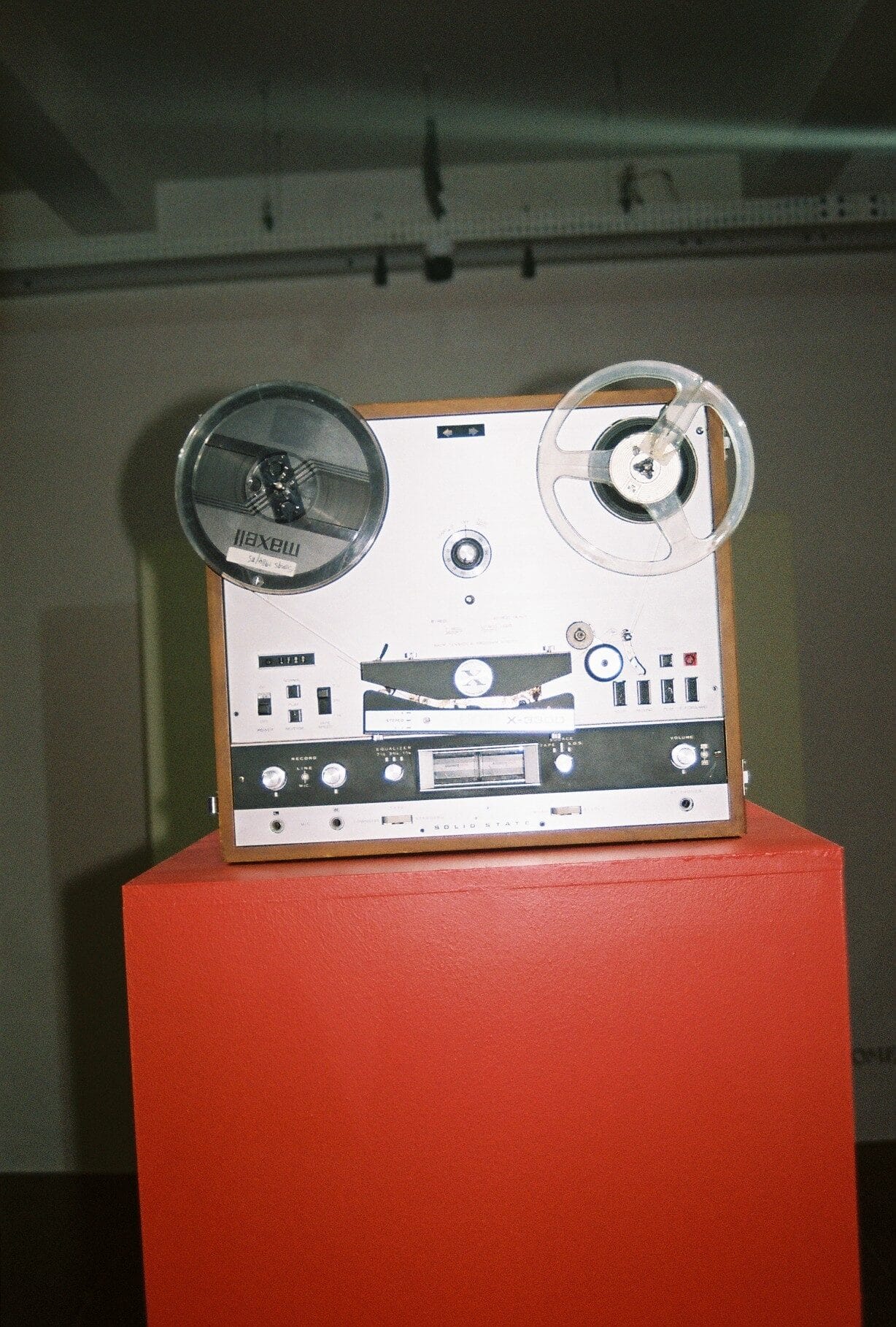
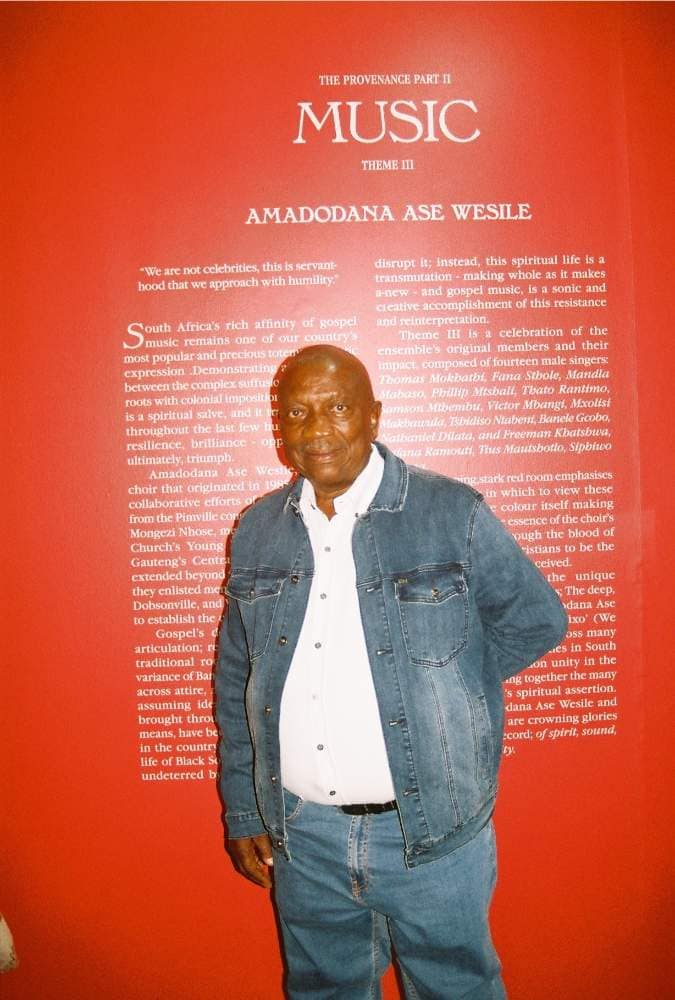
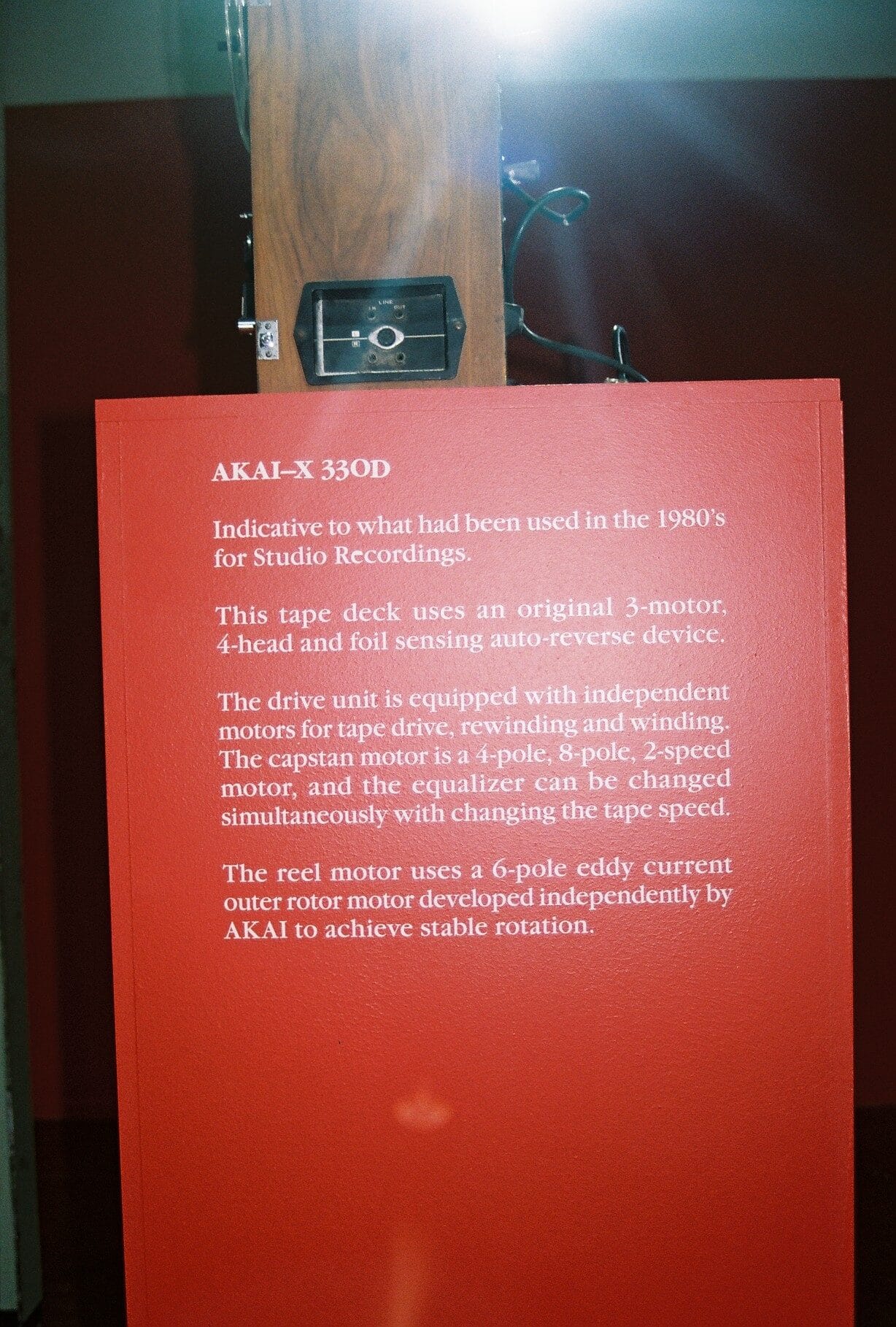
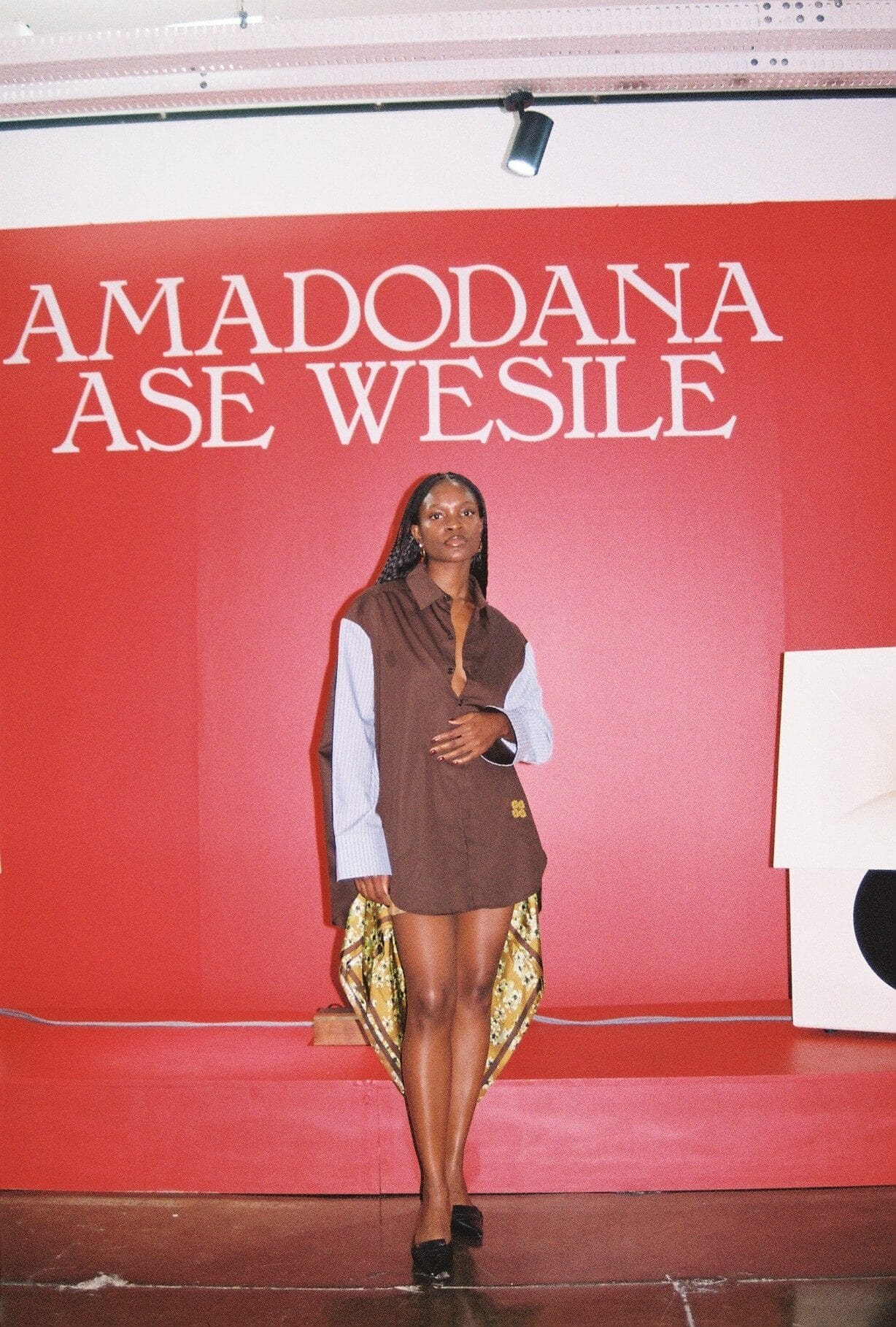
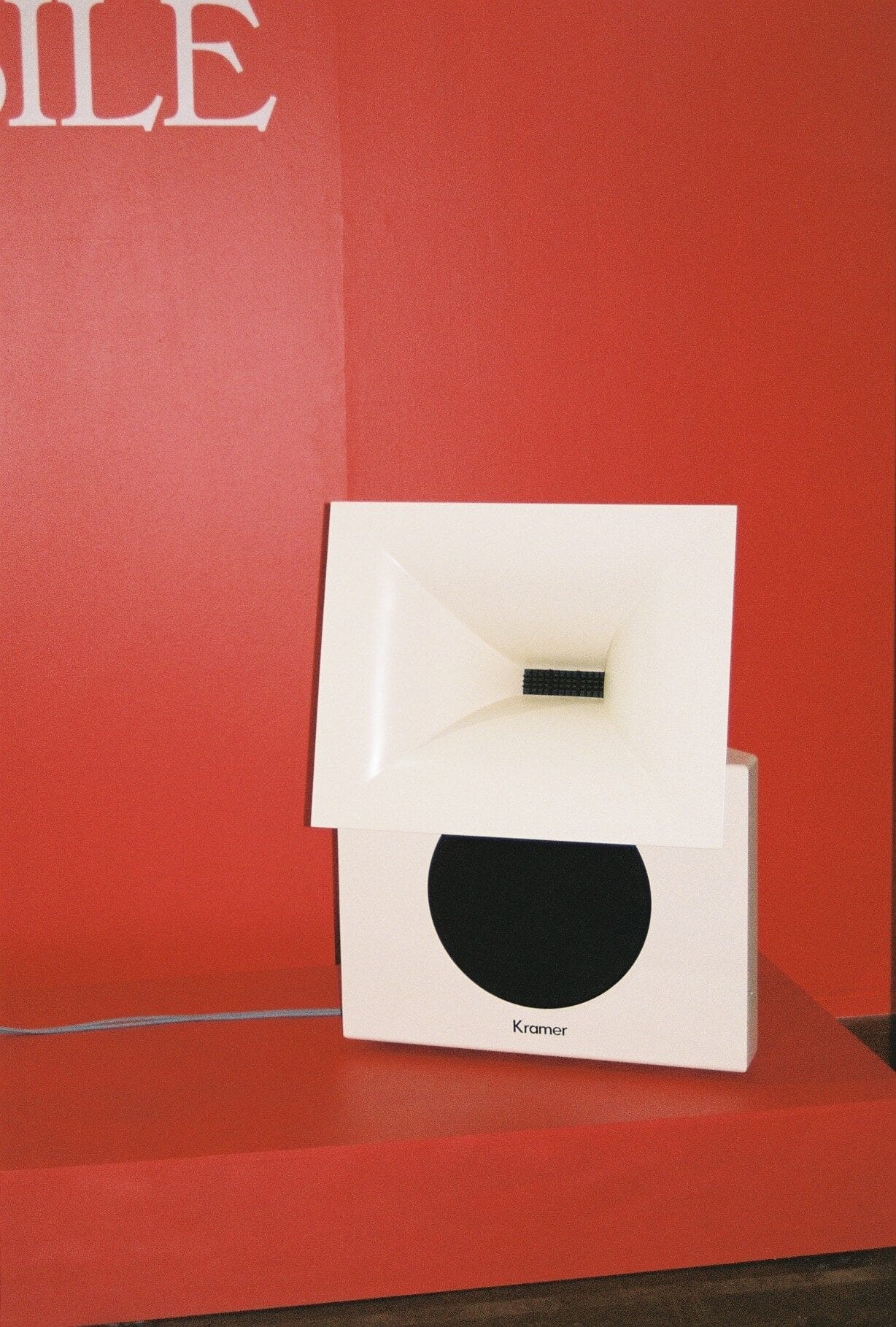
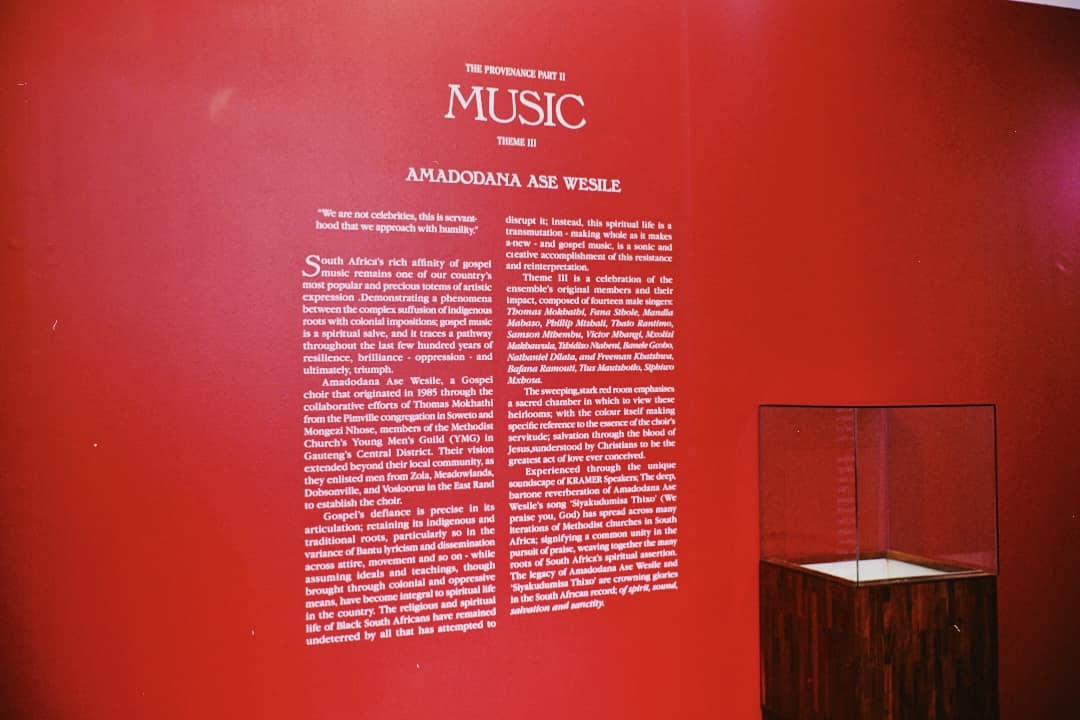
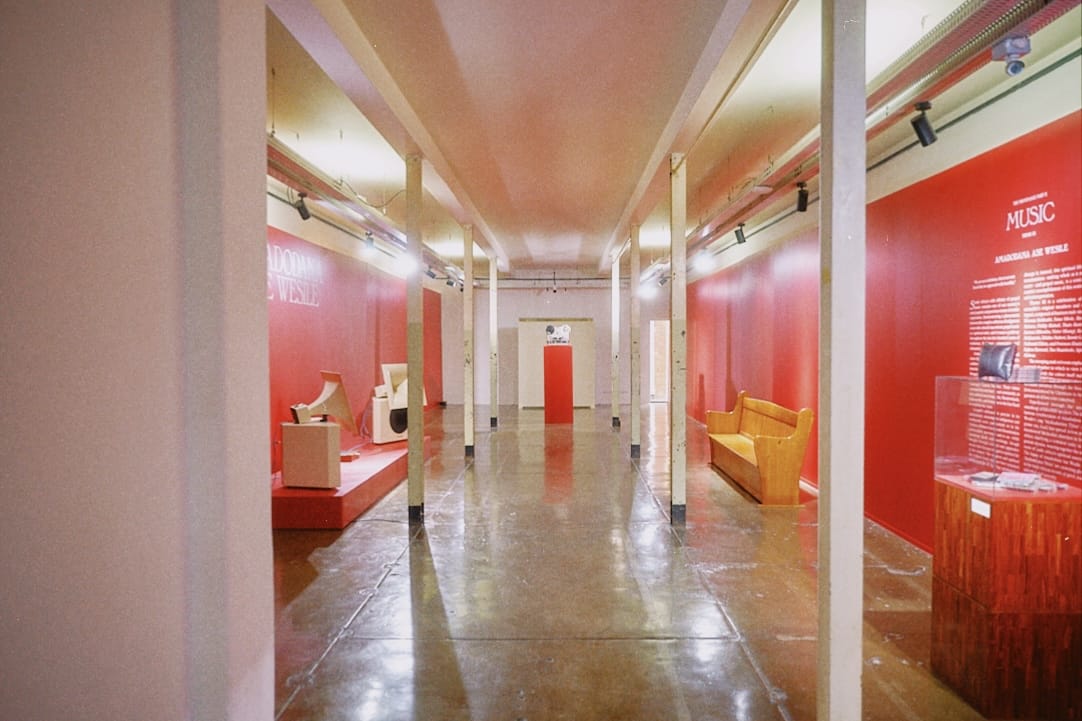
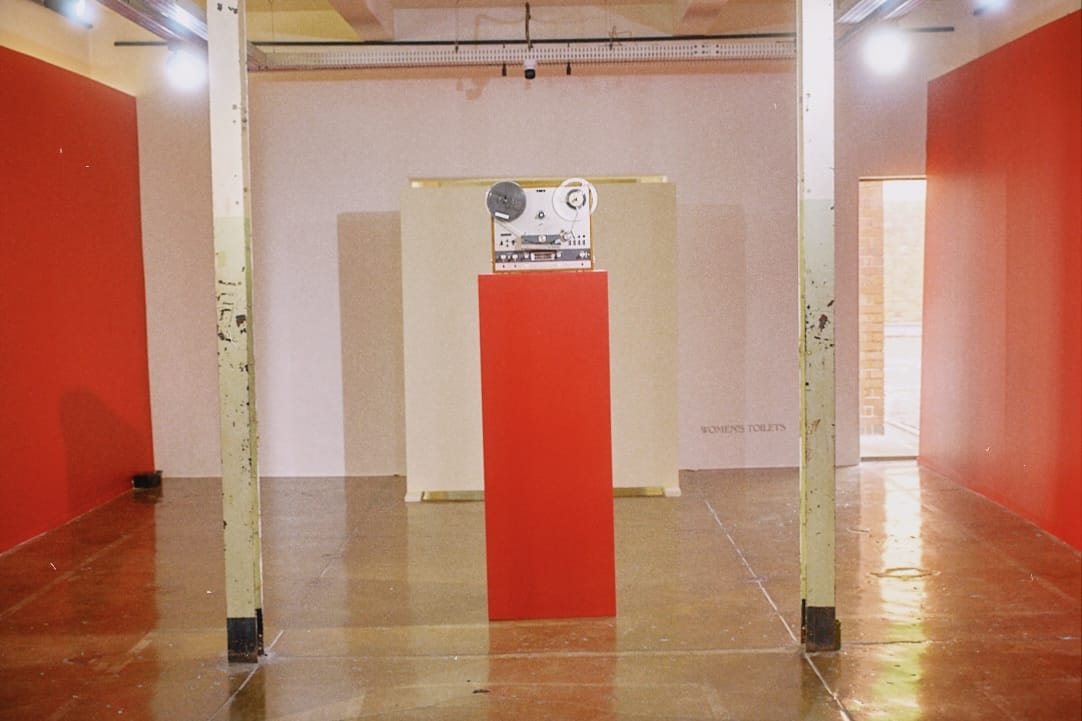
Lastly, the theme of music is an ode to the internationally acclaimed, Amadodana Ase Wesile, a music group whose debut album Nkosi Sihlangene is heralded as one of the pioneers of South African gospel music. Referencing the red waistcoats that the members are renowned for, the entire exhibition space is painted red, creating a bold and cohesive visual and auditory experience that immerses visitors in the distinct aesthetic of the group. This part of the exhibition is also separated from the other two, with their hymns playing on a continuous loop, allowing guests to be fully imbued by a key aspect of Ndingi’s raison d’être, understanding Amadondana Ase Wasile from a hermeneutical and nostalgic perspective.
Art galleries often serve as a poignant reminder of the relationship between history and modern-day culture — detached yet still in attendance — often listened to but not heard. In an age where exhibitions sometimes cater to being ‘Instagrammable’ as opposed to telling a story, The Provenance Part II offers a refreshing and deeper meaning to observing art. This is the reason why archiving is so important as its representation of the present supersedes its prevalence in the past and Mdingi is paving the way for archived storytelling in the form of art.
Visit The Provenance Part II at The Women’s Jail, Constitution Hill, 11 Kotze St, Braamfontein, Johannesburg.
Operating hours are from 9am — 4pm.