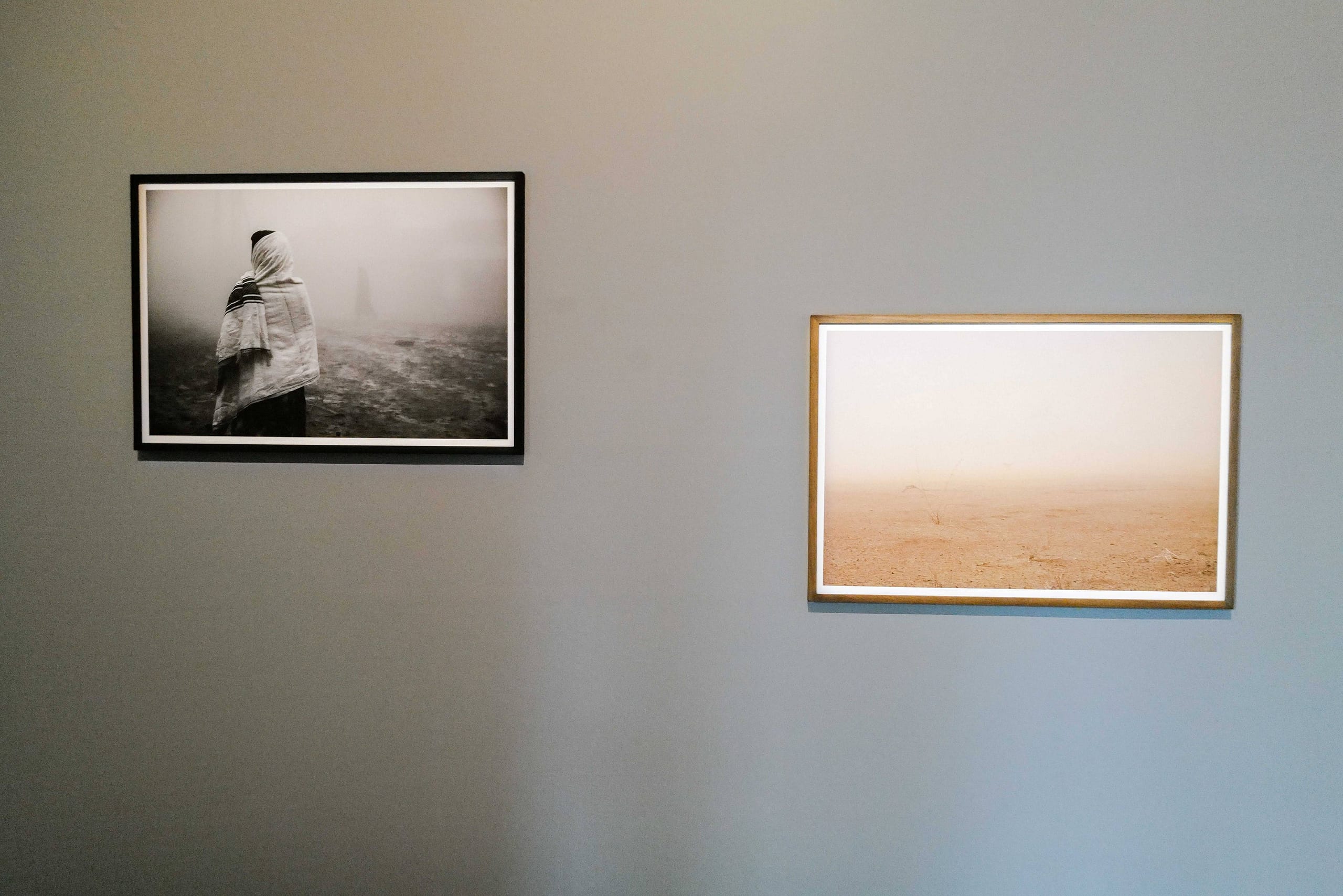
We live in a fast-paced world, where almost everything enjoyed, is enjoyed through a lens of freneticism — even art. Often approached as an event rather than being mindful and deliberate, art has become more of a theatrical showcase as opposed to a conduit for contemplation, where no matter what the subject is, the overarching atmosphere on an opening day is filled with laughter and wine. However, Ecospheres, the latest research theme by JCAF, a foundation dedicated to research, technology and art, breaks the mould of ‘fast art,’ offering an immersive and thoughtful engagement with artworks.
As a hybrid institution, JCAF (Johannesburg Contemporary Art Foundation), combines an academic research institute, an innovative technology laboratory and a platform for museum-quality exhibitions. Their ethos is to advance the appreciation of modern and contemporary art through the production, sharing and preservation of knowledge. Their current offering, Ecospheres, is the first iteration of Worldmaking — a trilogy of exhibitions, talks and publications — that references to the ways we collectively make the spaces around us that we inhabit through symbolic practices. The term was defined by philosopher Nelson Goodman whose key question was: what is the world like apart from any forms of representation or versions of it? Ecospheres aims to address the topic of ecology, the environment, climate and the natural world through the concept of making-with (living with). The space is divided into three ‘atmospheres’: water, air and earth, encompassing ideas related to narrative, migration and indigenous knowledge. The exhibition is an immersive experience that includes installations of hydroponic plants, oceanic-inspired knitted textiles, botanic photography, and sound and meditative paintings of migratory birds.
As soon as you step into the dimly lit exhibition space, you can feel a sense of calm wash over you in every sensory form: the serene mural by Rebecca Potterton upon the entrance, the scent of cloves from Ernesto Neto’s large-scale immersive sculpture Um dia todos fomos peixes, a knitted blue net that contain aromatic spices, the quietness of the space itself. Meandering through, you instantly feel the futility of rushing through exhibitions and missing the nuanced details and emotional impact of what is presented. Even though the overarching theme of Ecospheres is to address environmental and climate issues, the Anthropocene, the exhibition goes a step further by creating a transformative movement that redefines how we engage with and appreciate art, encouraging a thoughtful consideration of ecological issues to promote a more sustainable and integrated way of living with the natural world.
Ecospheres’ approachof featuring artists from the global South makes the works on show feel more pertinent. For example, Russell Scott’s series which comprises over 250 studio images
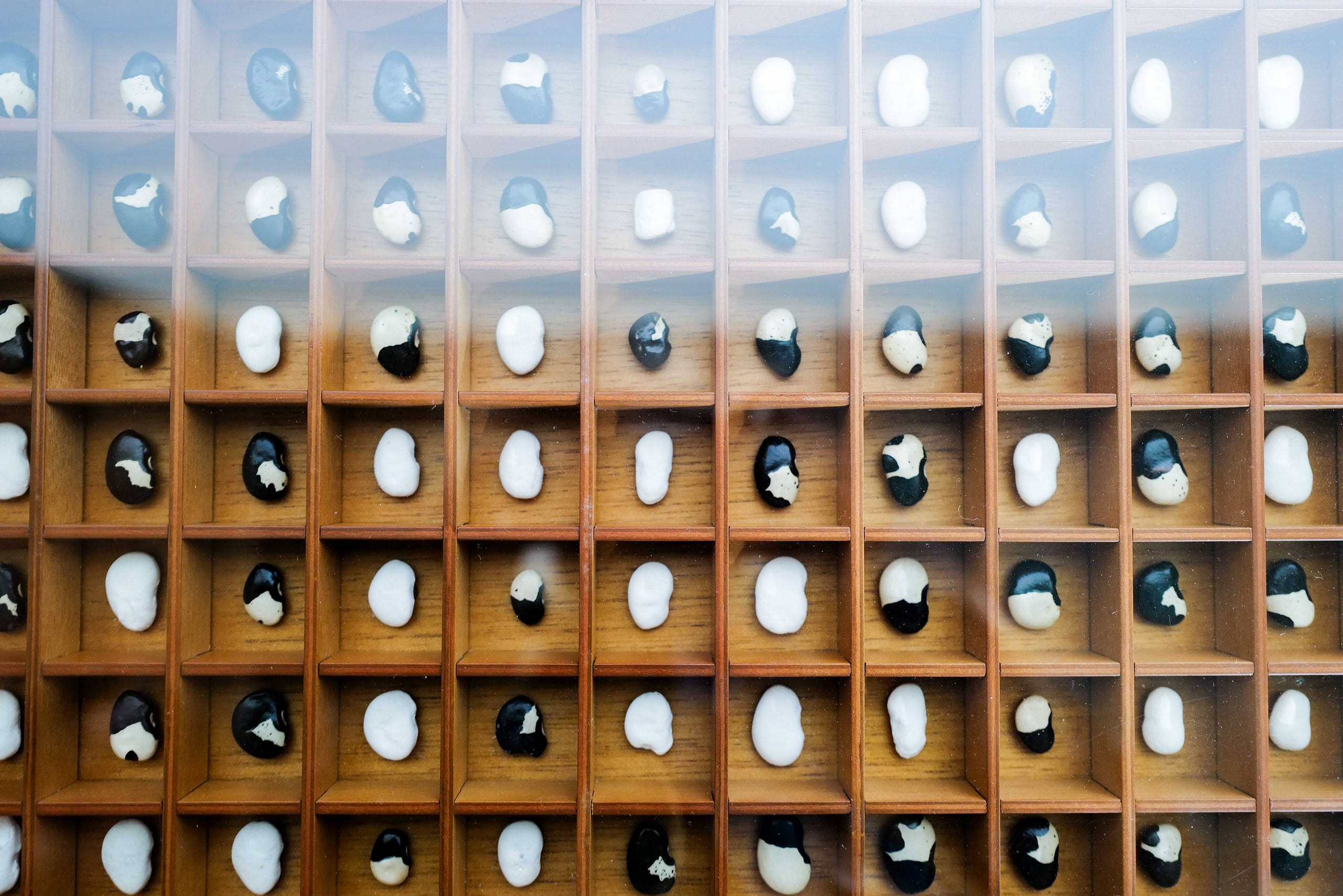
of plants indigenous to Southern Africa, photographed between 2008 and 2017 shows the roots of plants, a feature we don’t often get to see, or Ximena Garrdio-Lecca’s cultivated hydroponic garden, where one of the Peruvian varieties of this plant was used in a system of written communication of the Moche culture, a pre-Incan civilization that developed advanced irrigation systems between 100 and 850 CE, an installation with centuries of historical value. These ecological artworks transcend aesthetic value to represent and tell a story of a variety of people and their relationship with the environment, highlighting our shared responsibility and interconnectedness.
The exhibition runs until 7 December 2024 at JCAF in Forest Town, Johannesburg. The exhibition is by appointment only; please book your visit on the JCAF website.