AFROSARTORIALISM by BOYDE
27 January 2025
By Shai Rama
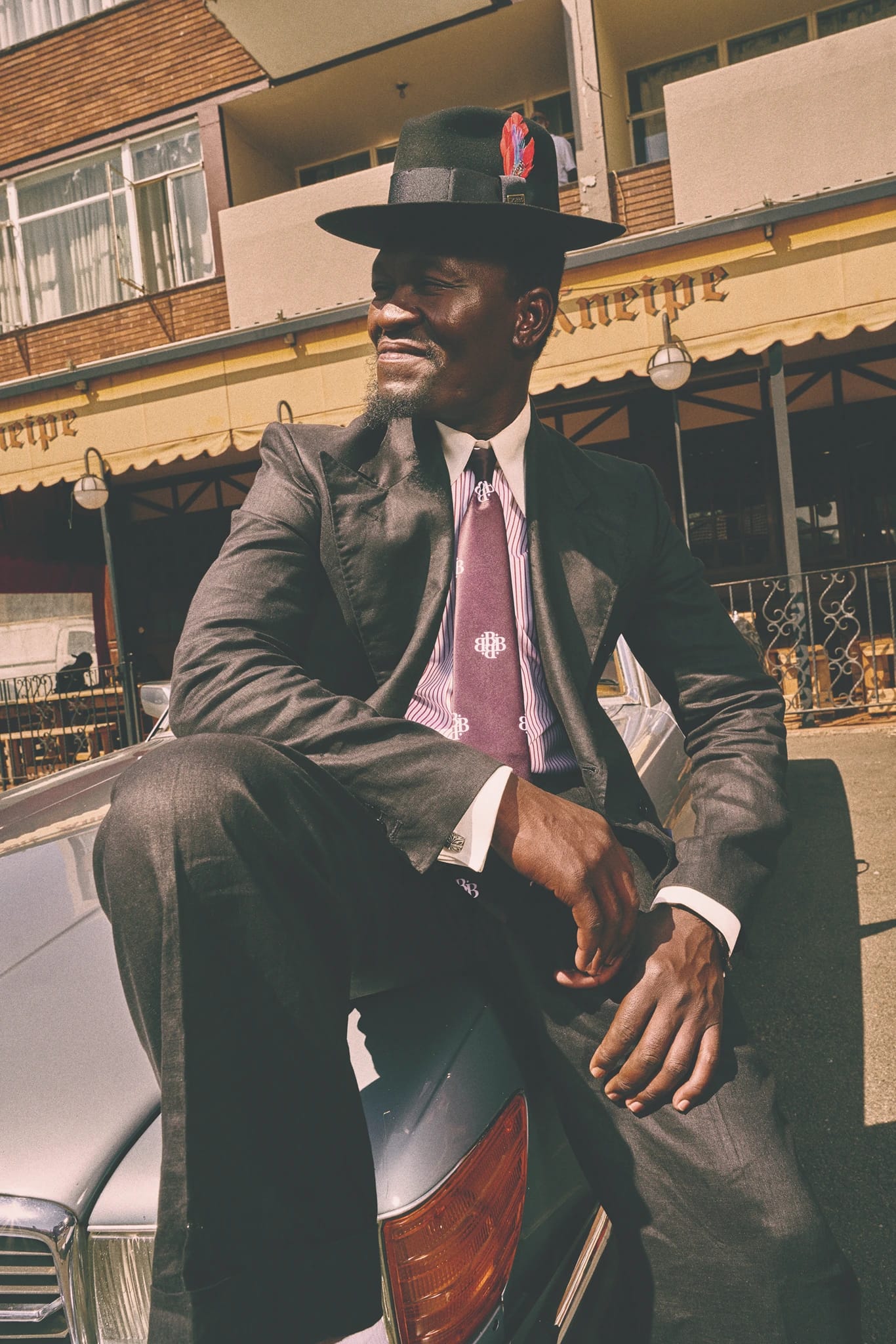
During Paris Fashion Week, BOYDE unveiled its Spring/Summer 2026 collection, AFROSARTORIALISM: a study and exploration of the South African Swenkas subculture — a movement that transformed fashion into an expression of dignity, pride and creative resistance.
The collection is rooted in fusing African cultural identity with sartorial expression, reflecting on the powerful subculture of the Swenkas, Zulu men who, from the mid-1900s, used fashion, choreography and competition as a means to reclaim identity and self-respect in the face of apartheid-era hardships. To honour this legacy, BOYDE shot the campaign film and editorial inside the very hostels where the Swenkas once lived, featuring former Swenkas in their own rooms. For the lookbook, Johannesburg’s iconic Ponte building provided a striking backdrop — a symbolic nod to the city where the Swenkas lived, worked and styled themselves — infusing the imagery with authenticity and nostalgia.
Despite the gruelling realities of their lives — harsh working conditions, long separations from families and limited economic freedom — the Swenkas maintained an unwavering belief in cleanliness, self-respect, chaste behaviour and brotherhood. Their performances, which took place predominantly on Saturday nights, became an outlet for joy, identity and resilience. Swenkas would dress in sharp, tailored suits, often European in style, complete with brimmed hats, straw hats, polished leather shoes and select accessories.
“For me, this collection is about more than clothes: it’s about storytelling, memory and honouring the resilience of the Swenkas,” says Samkelo Boyde Xaba, Founder and Creative Director of BOYDE. “By bringing their story to Paris, and by working with the men themselves, we’re not just showcasing fashion — we’re preserving culture and reframing it for a global audience.”
During these events, men would take the stage and exhibit their ensembles through choreographed movements, drawing attention to the craftsmanship and elegance of their outfits. These amateur competitions were judged on two key criteria: style and attitude. The best-dressed participant would often receive a cash prize collected from fellow participants or, on occasion, a goat.
AFROSARTORIALISM presents the Swenkas not only as style icons but as symbols of creative resistance, resilience and aspirational identity — reaffirming fashion’s power to uplift, challenge and connect across cultures.