archiving the soul of south african jazz
05 march 2026
By SHAI RAMA
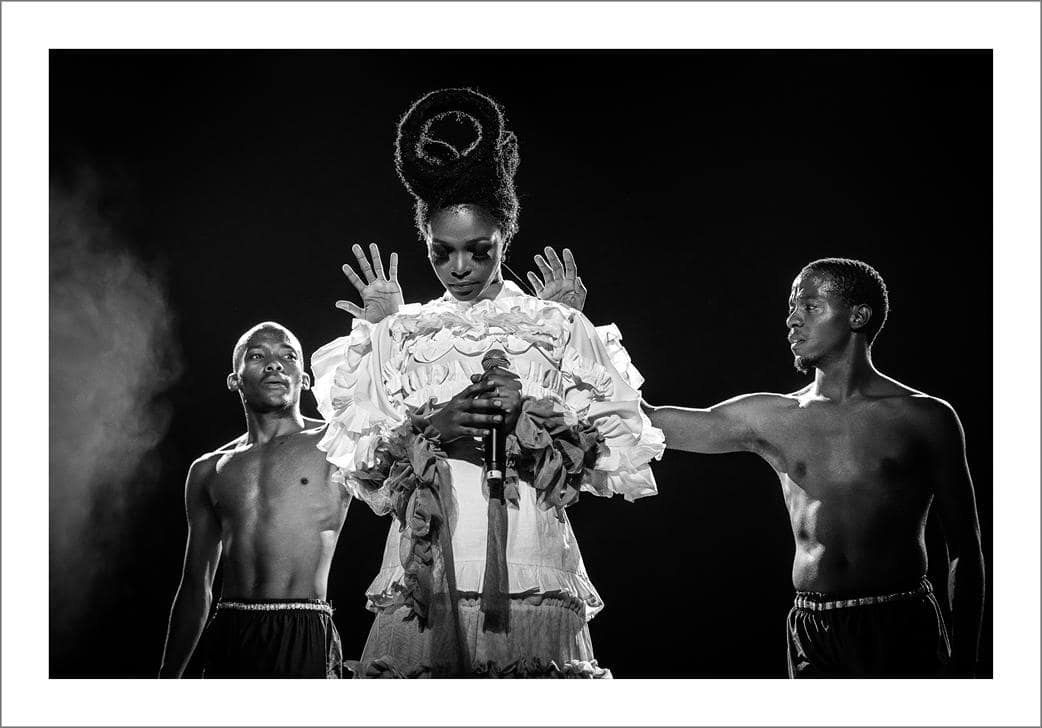
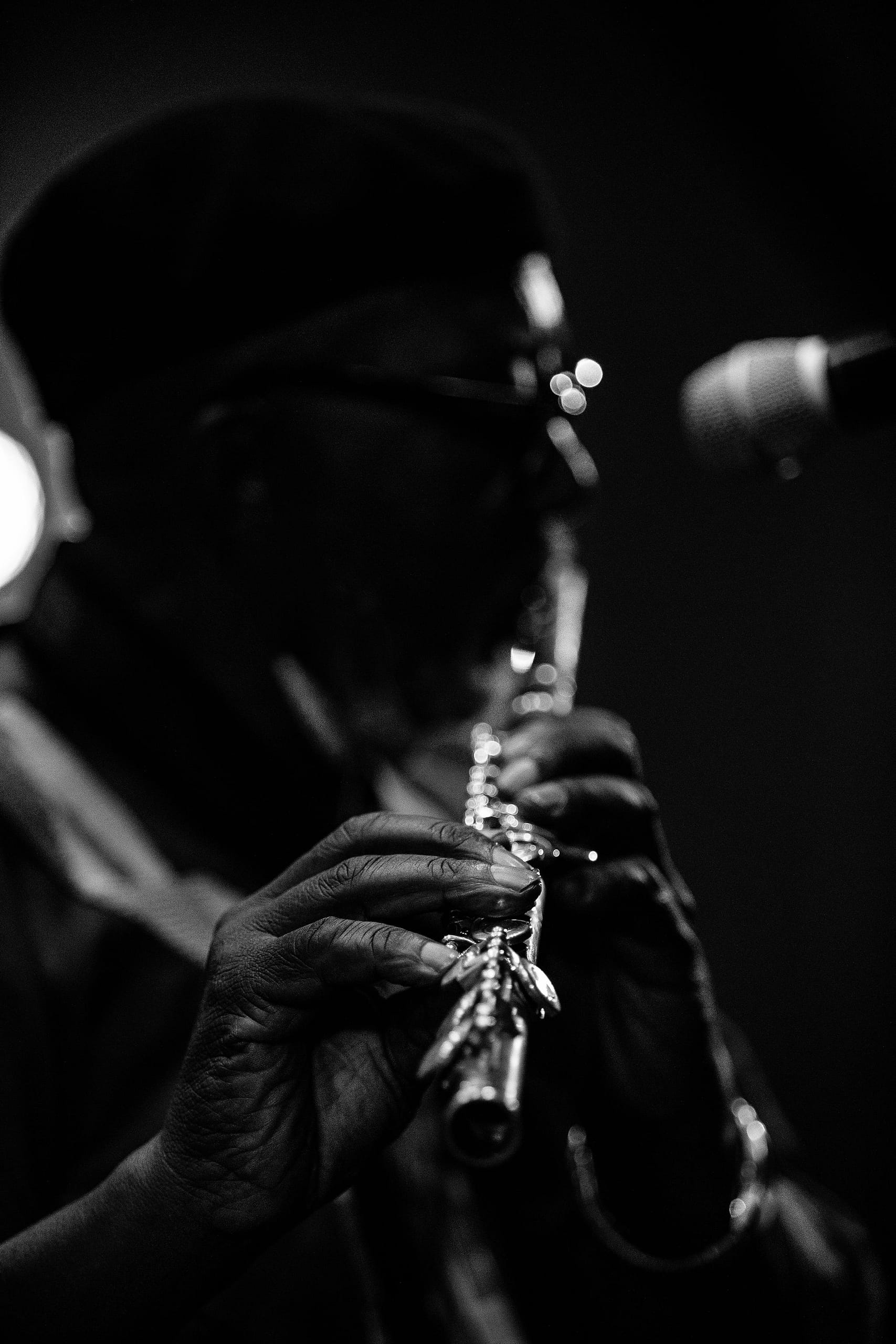
This month, as South Africa settles into the symphonies of Jazz Month, a significant exhibition makes the case for why archives matter. As part of the cultural programme surrounding the Cape Town International Jazz Festival, the returning Jazz Photography Exhibition at Youngblood Africa Gallery on Bree Street brings together decades of South African jazz through the lens.
Titled The Jazz Legacy Collection, the exhibition offers an intimate, visual journey into the soul of South African jazz through two of South Africa’s most celebrated photographers, Arthur Dlamini and Siphiwe Mhlambi. Having opened on 5 March 2026, the exhibition serves as a grand prelude to the CTIJF week (23–29 March), celebrating captured moments of South African Jazz Giants.
Photography, at its best, works like jazz itself. Improvisational yet responsive to the moment, while still aware that the moment will vanish. Dlamini has long been known for his ability to capture the stillness within the dynamism of performance. His images portray the interior life of musicians, often finding something intimate in the chaos of a live set. Mhlambi’s work, by contrast, carries movement in its bones. His photographs feel almost percussive, freezing the kinetic charge of the stage before it dissolves back into memory. Together, their archives build a visual lineage of South African jazz, one that stretches across generations of musicians, audiences and venues. We tend to think of nostalgia as something sentimental, a longing for the past, but future nostalgia works differently. It asks a simpler question: what from today will we wish we had preserved tomorrow? In that sense, The Jazz Legacy Collection’s photographs hold moments that would otherwise disappear into the maelstrom, the blur of live performance. They remind us that jazz in South Africa has never existed only in sound. It lives in protest, gestures, smoke-filled stages and the particular feeling of a musician improvising in real time.
For much of the country’s history, jazz became a language, especially in the hands of musicians like Hugh Masekela, Abdullah Ibrahim, and Miriam Makeba. Their music travelled across continents carrying stories of exile, resistance and return. Earlier still, the restless energy of Kippie Moeketsi and the improvisational brilliance of Chris McGregor helped shape a distinctly South African jazz dialect, inspired by and rooted in township rhythms, church harmonies and the improvisational spirit of marabi. The lineage never really stopped. Artists like Nduduzo Makhathini, Thandi Ntuli and Bokani Dyer continue to stretch the form, weaving spiritual philosophy, classical composition and African cosmology into new sonic territories. One thing remains constant: each performance still carries that same quality that has always defined jazz.
This is why documentation matters. Jazz thrives on improvisation and the chemistry between musicians and audience. Once the final note hits, the experience lives mostly in memory, never to be repeated in the same way ever again. Photographs, however, interrupt that disappearance, holding the atmosphere in place for just long enough for future generations to understand what it felt like to be there.
If photography has long been the medium through which jazz moments are preserved, the way those images are shared is beginning to change, too. The Jazz Legacy Collection has also introduced a digital catalogue accessible on-site, allowing visitors to engage with the images through their own devices. It’s a small but telling shift as the archive no longer sits only in boxes or gallery walls: it circulates between screens and hands. Documentation evolves, but the impulse behind it remains the same.
Running until 30 March, the exhibition brings to light something that cultural spaces across the country are beginning to recognise again. If we do not document our creative ecosystems while they are unfolding, we risk losing entire chapters of cultural memory.
Images courtesy of Siphiwe Mahlambi and Arthur Dlamini