recap: montreaux jazz festival
30 march 2026
By Shai rama
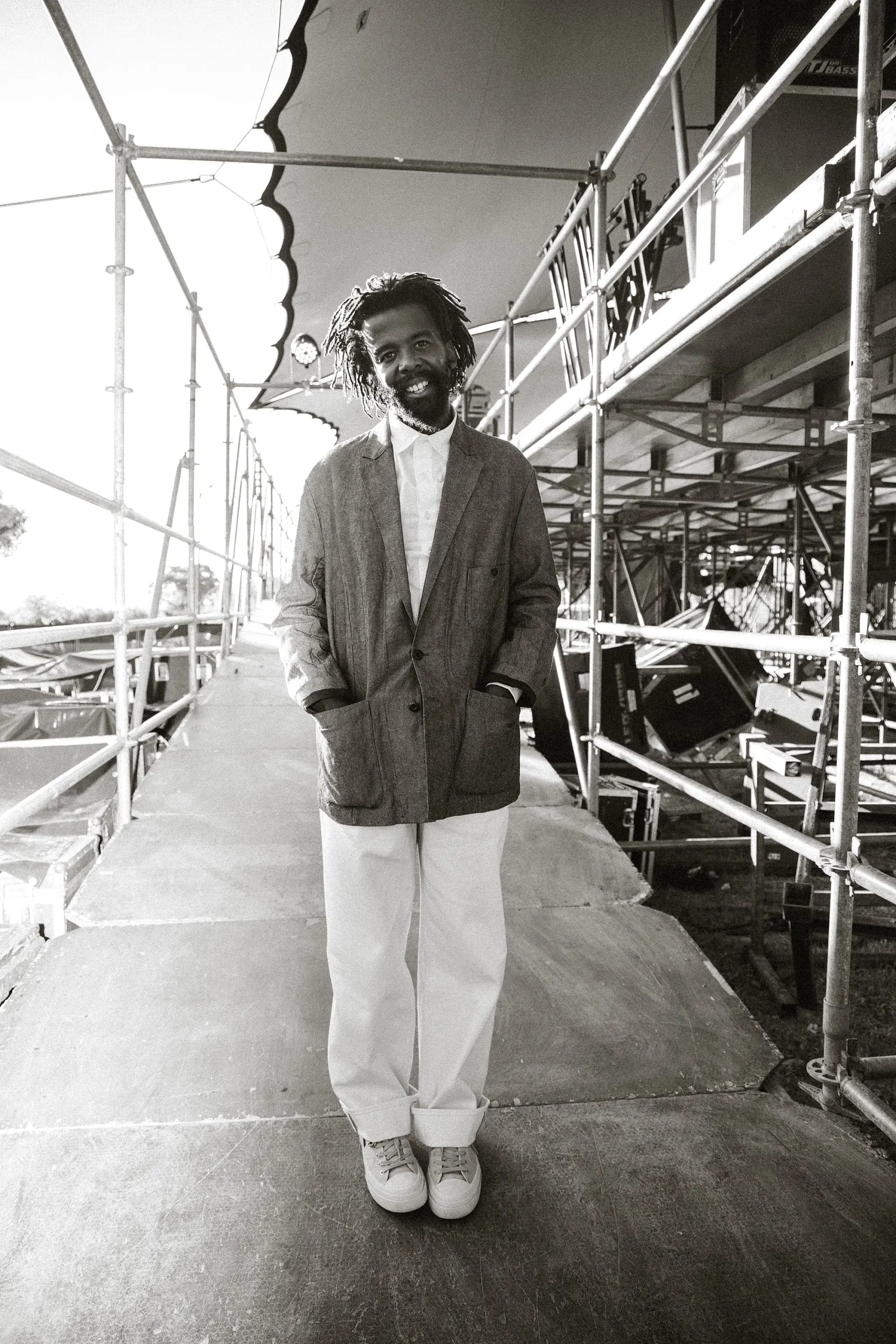
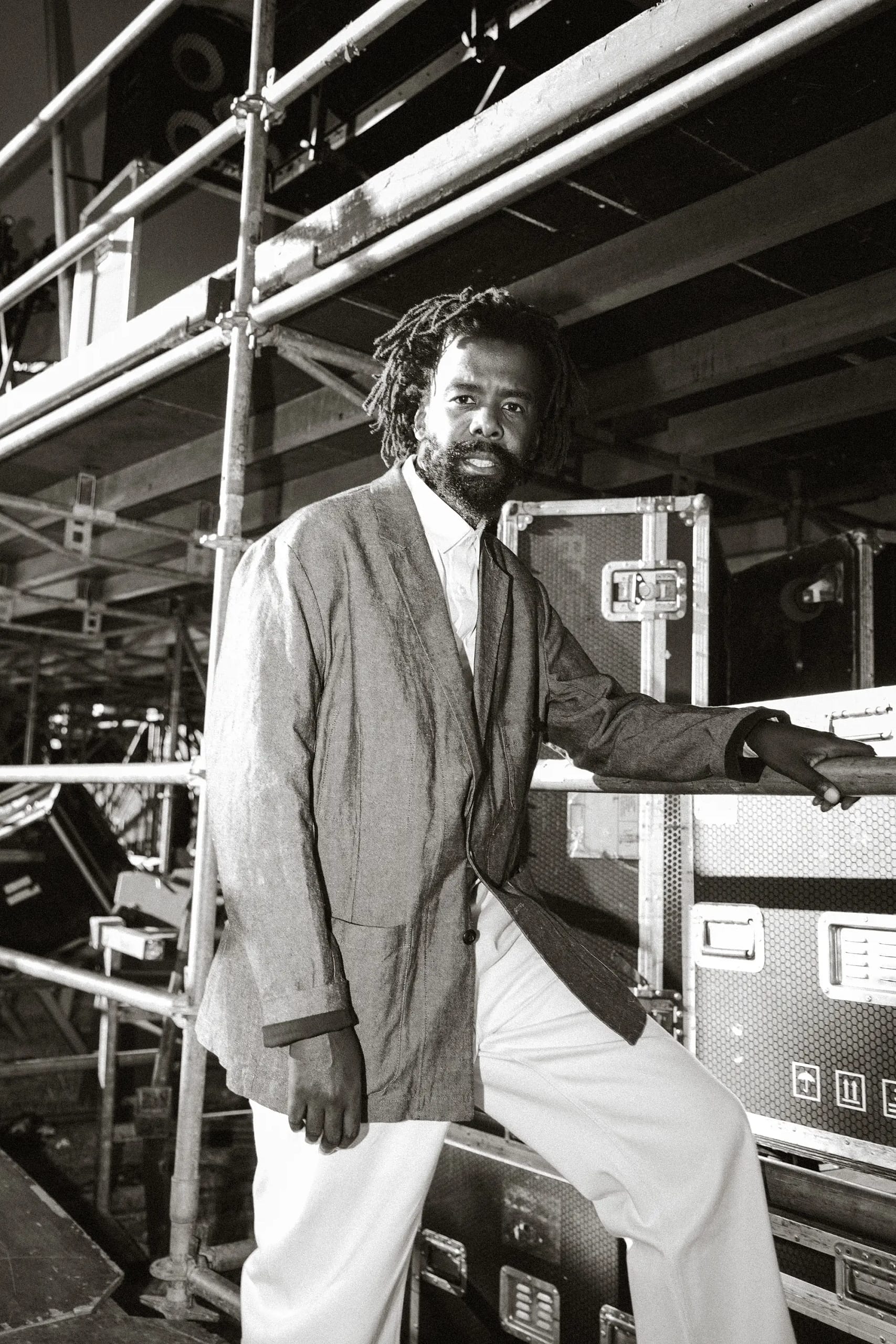
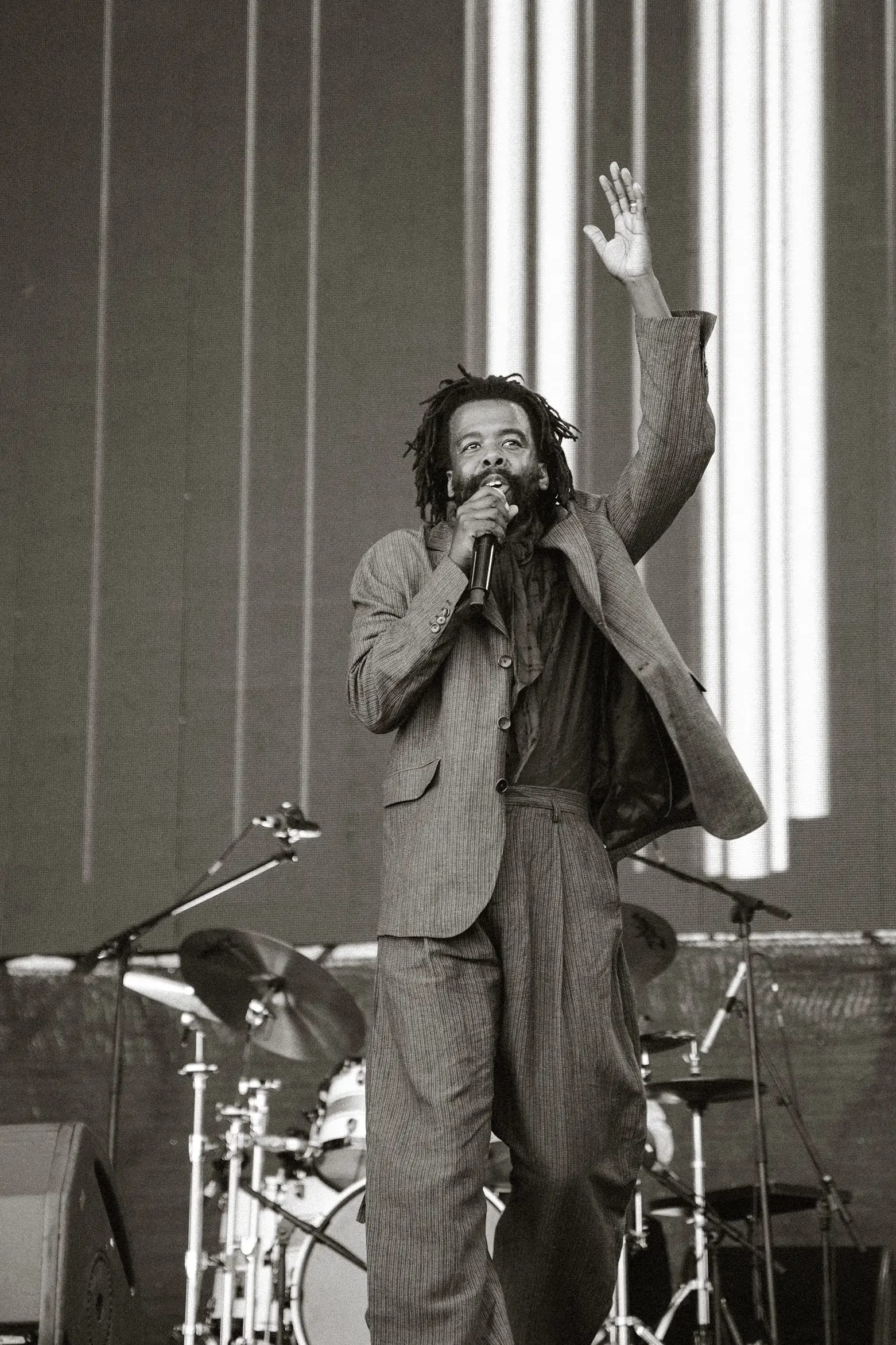
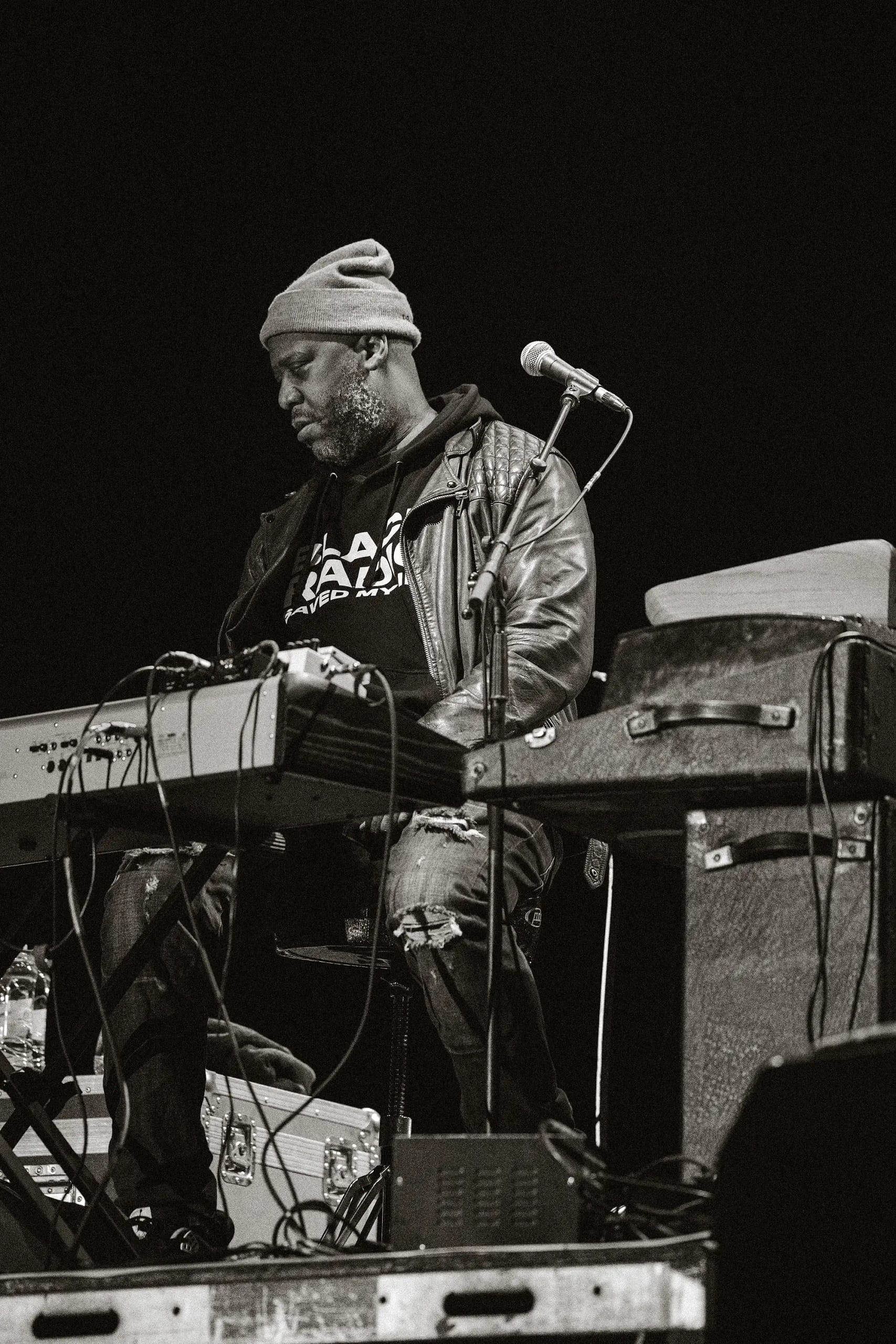
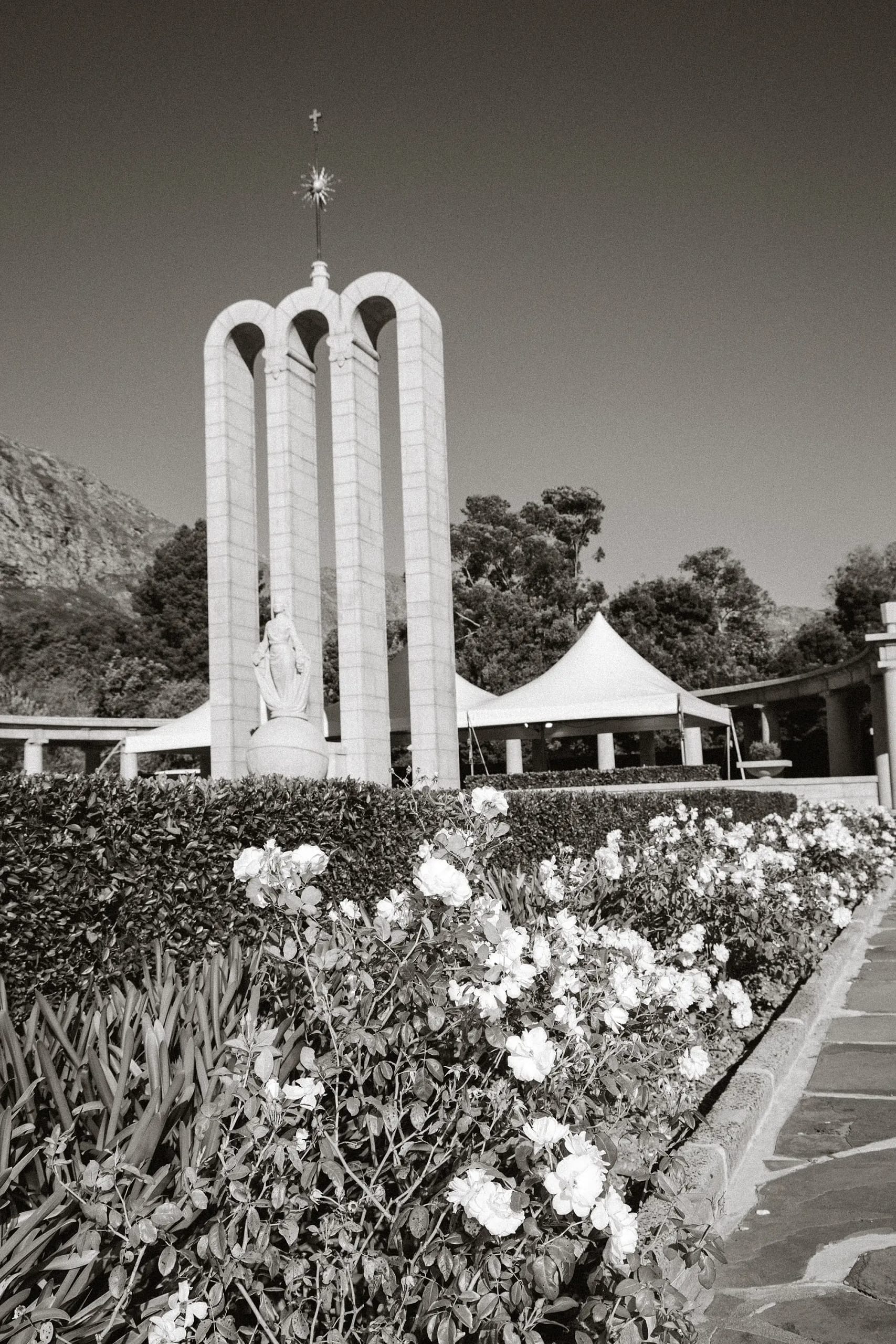
Montreux Jazz Festival marked its debut in South Africa this past weekend, transforming Franschhoek into a jazzy enclave, where standout performances by some of the most compelling names in global jazz, conversations, and gatherings unfolded against the backdrop of the Cape Winelands.
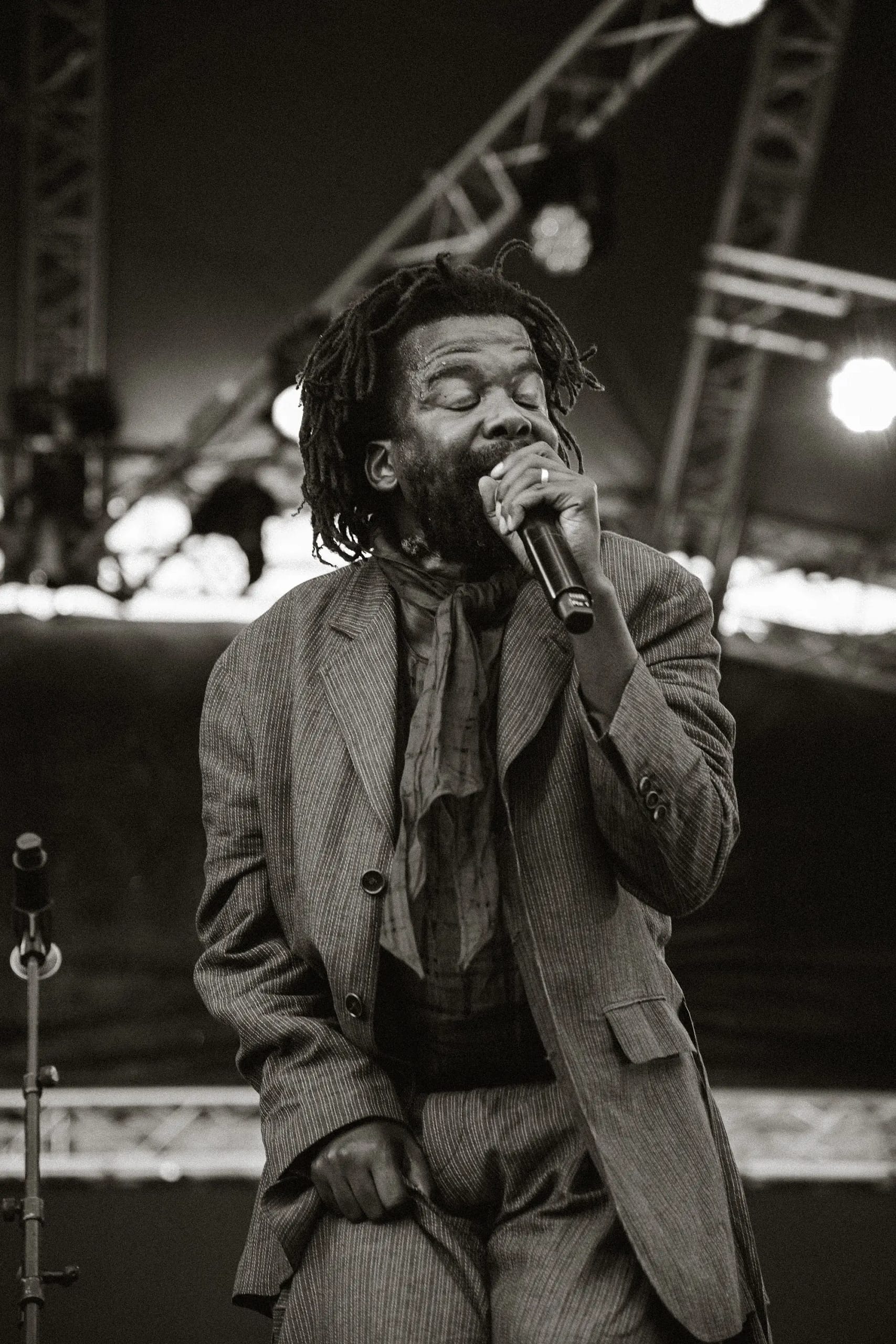
The three-day festival kicked off on Friday with Brother Kujenga taking to the main stage with a moving performance that set an expansive tone for the weekend. The evening built steadily toward a headline set from Irish singer, songwriter and record producer, Róisín Murphy, who first became known in the 1990s as one half of the pop duo Moloko, who delivered a theatrical, high-fashion performance marked by multiple outfit changes and a live GoPro feed that pulled the audience directly into her orbit.
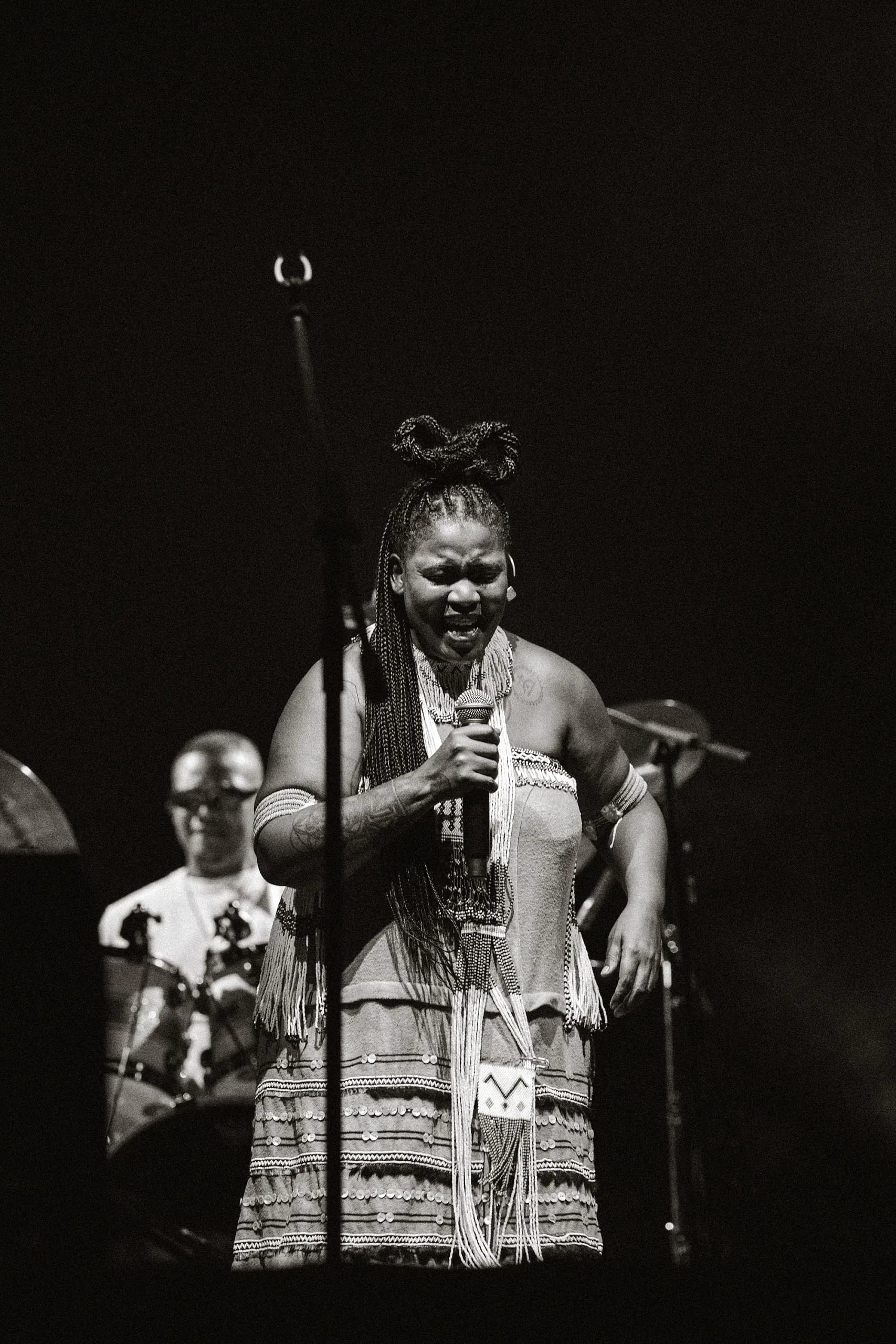
Across the programme, the curation revealed a deliberate interplay of genres and generations. DJs including DJ Zinhle and Lelowhatsgood carried the energy beyond the main stage, while Wet Wet Wet added a nostalgic counterpoint. A particularly resonant moment came as Salif Keita’s band took to the stage in his absence, as the Malian singer unfortunately had a last-minute medical emergency that prevented his travel to South Africa. His band delivered a touching tribute set that was met with a warm and generous response from the crowd.
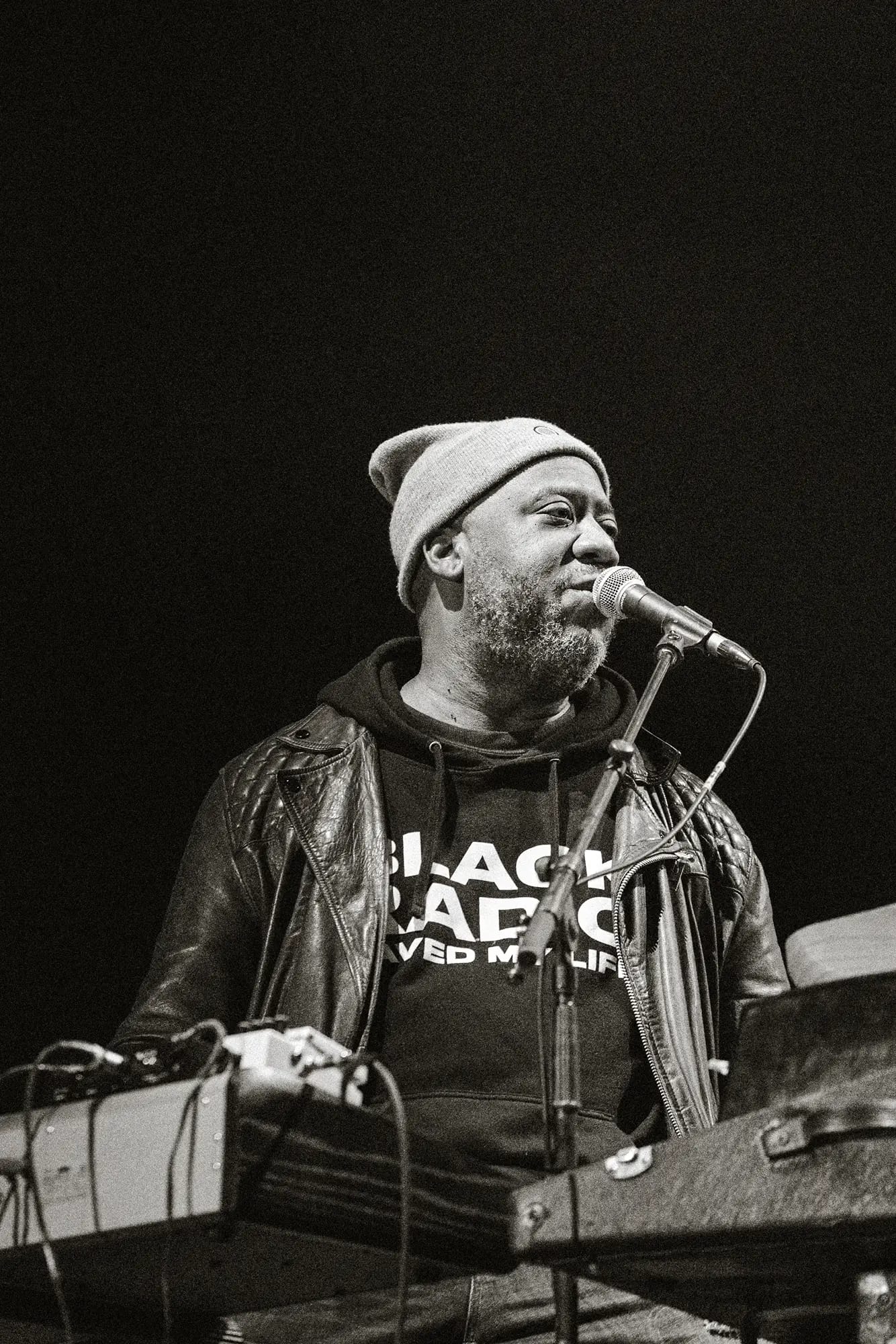
Saturday started with equal dynamism. London-based Ezra Collective brought a high-energy set defined by extended saxophone solos and a palpable sense of play, while Robert Glasper, joined by Bilal and Lalah Hathaway, delivered yet another iconic performance.
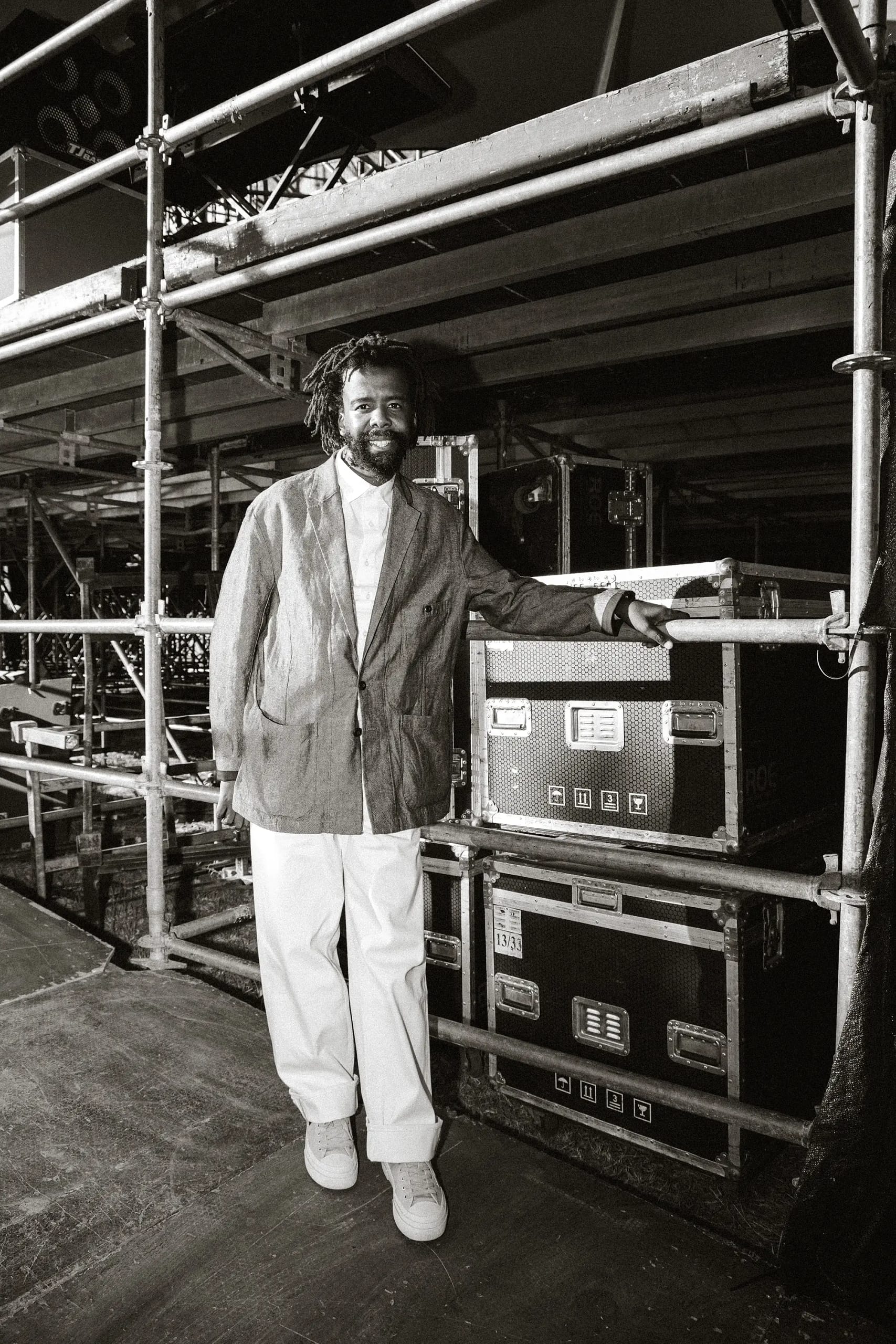
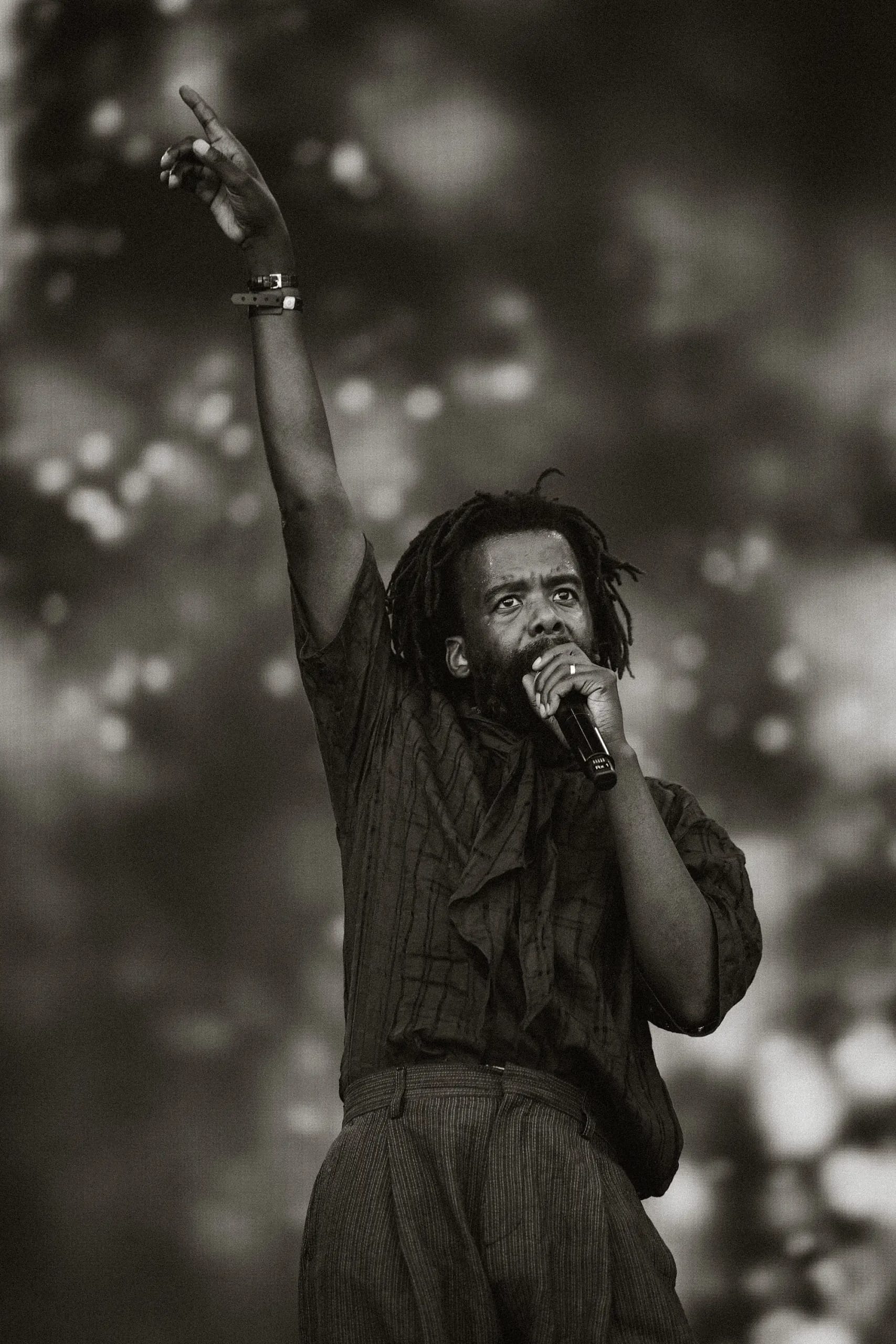
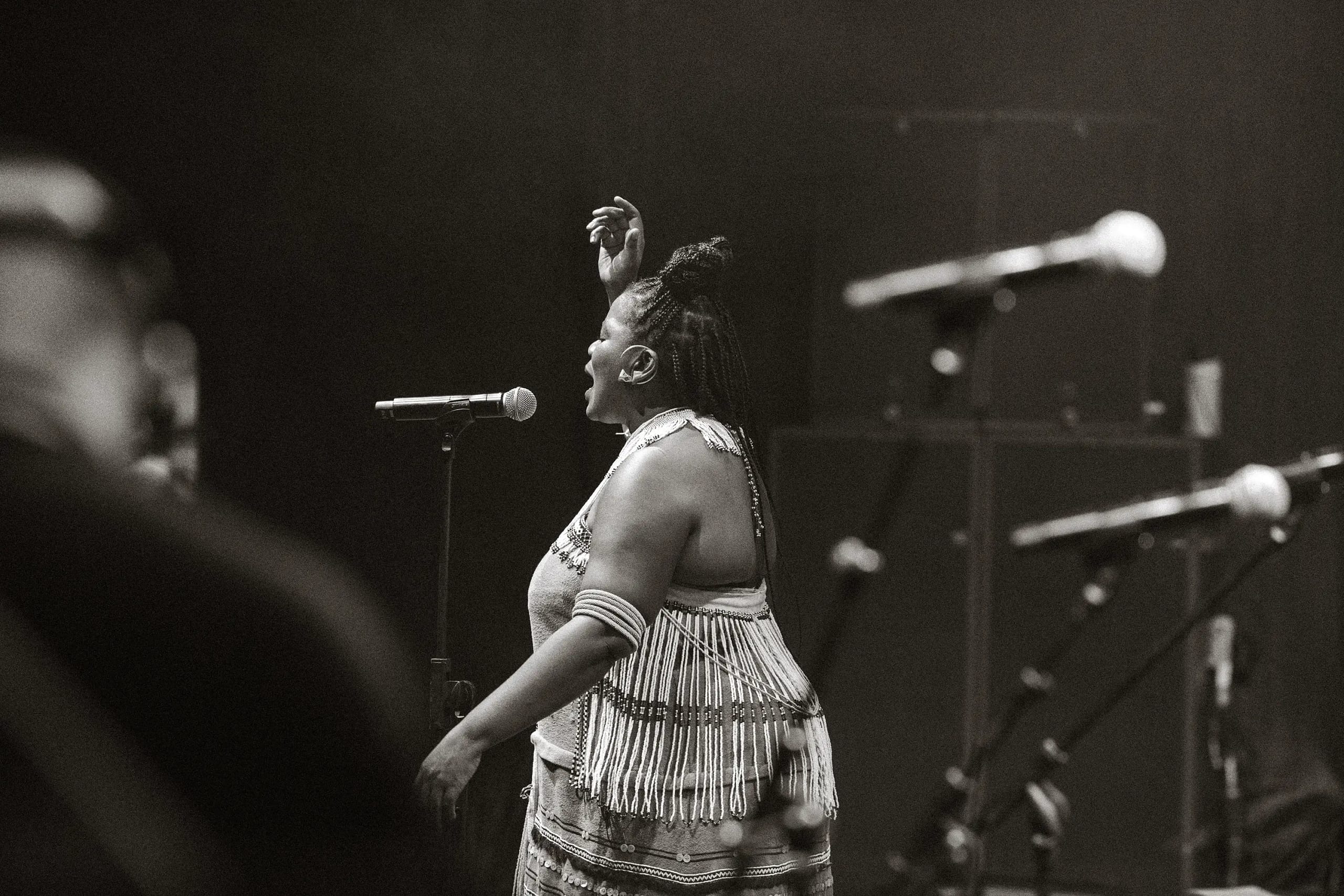
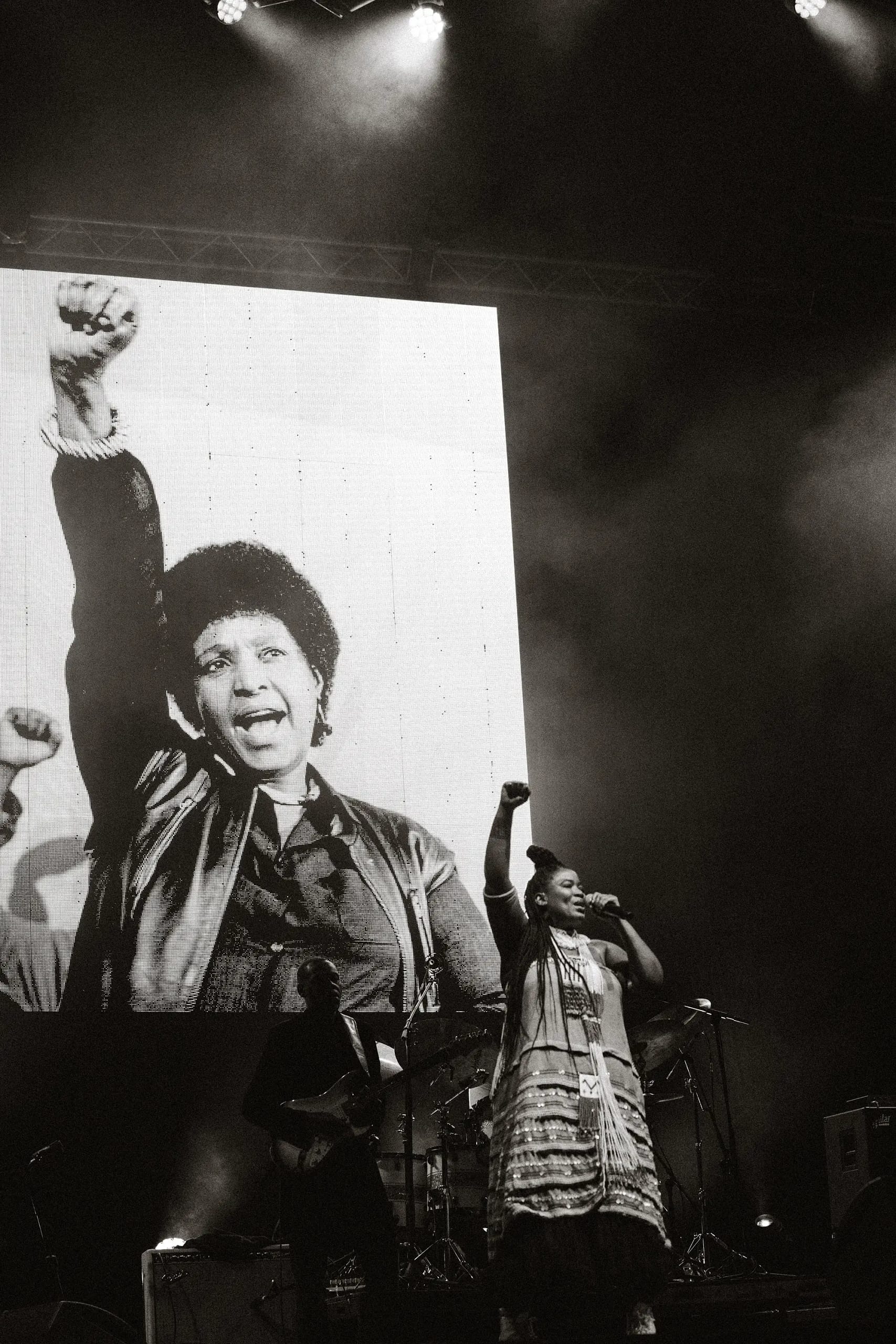
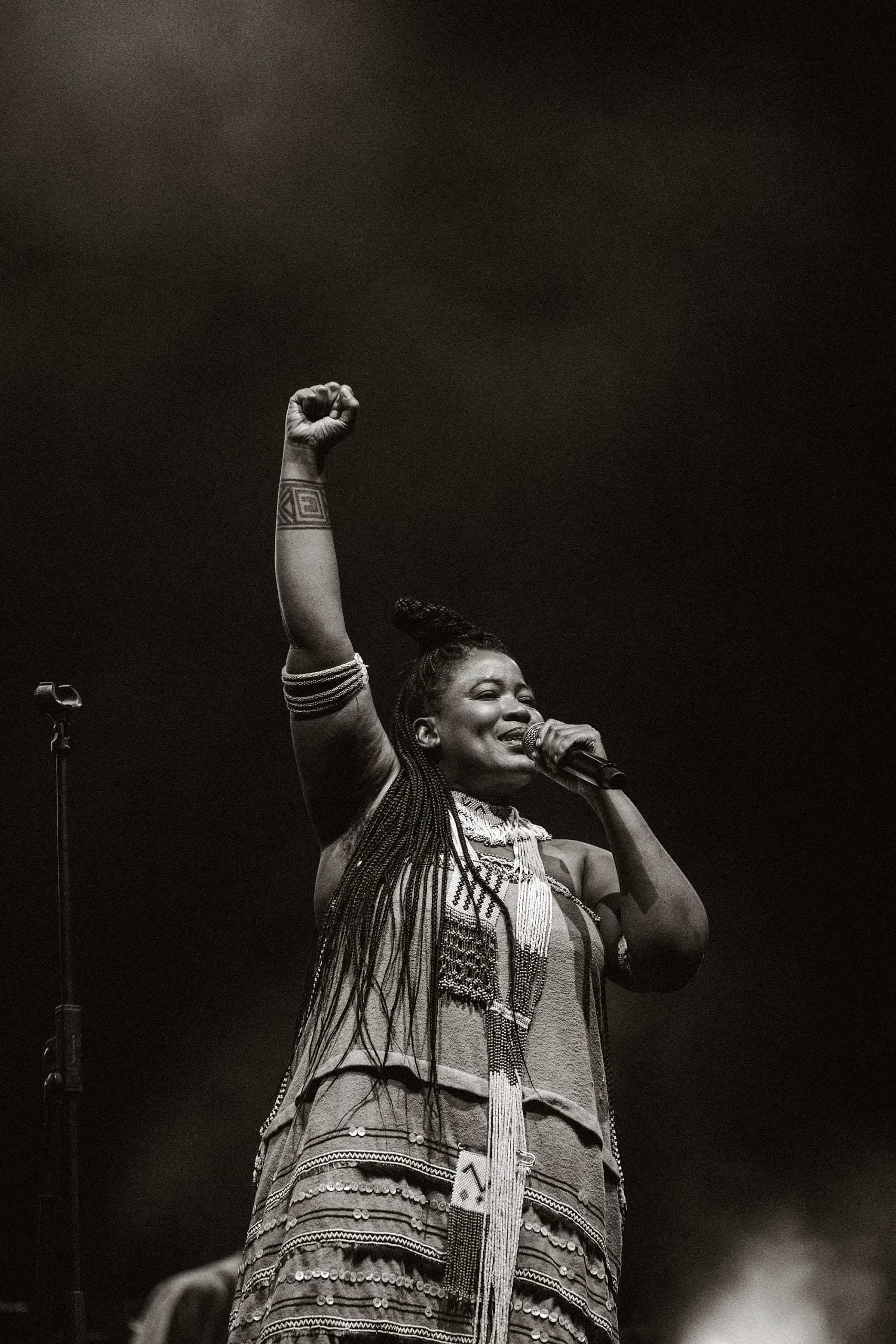
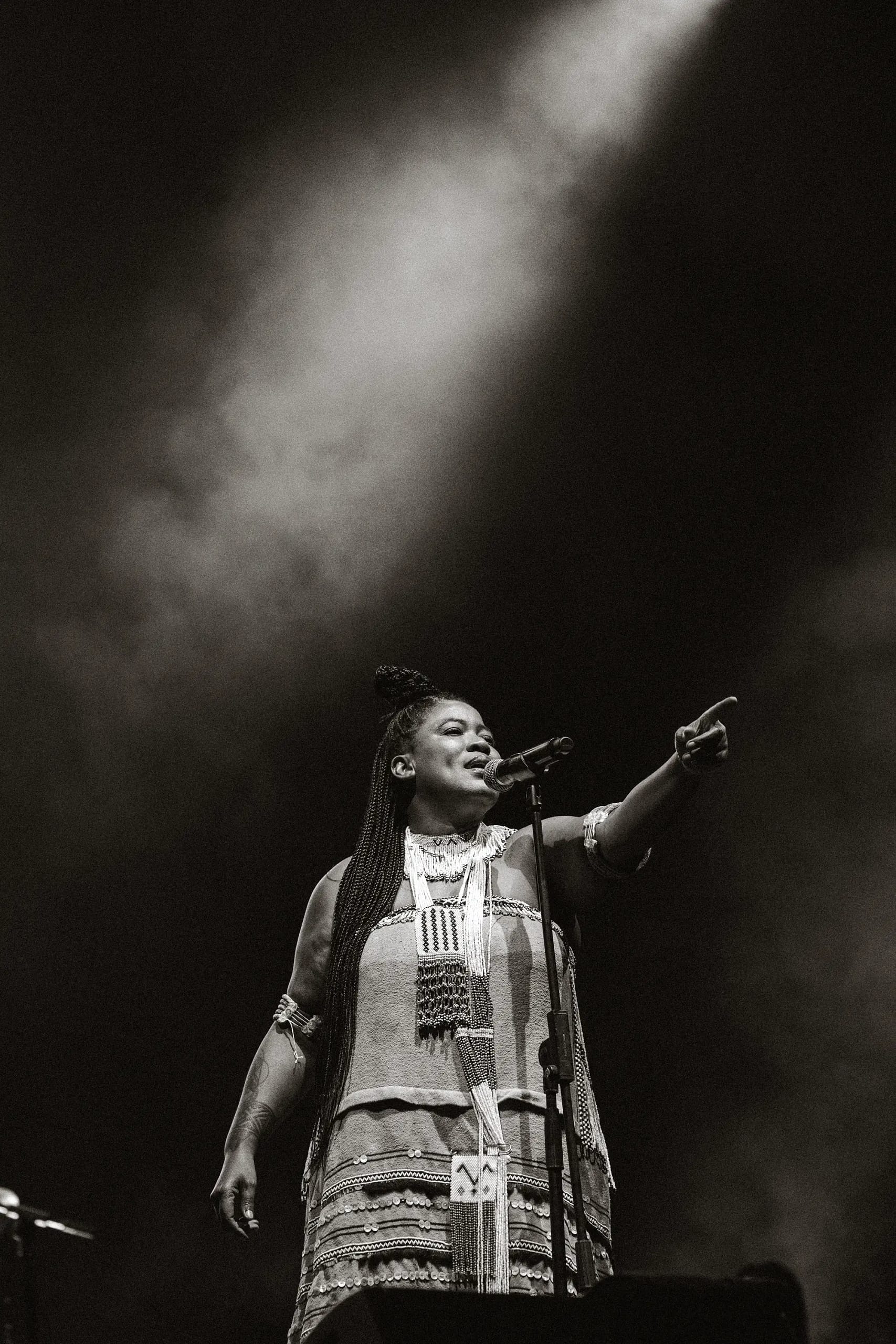
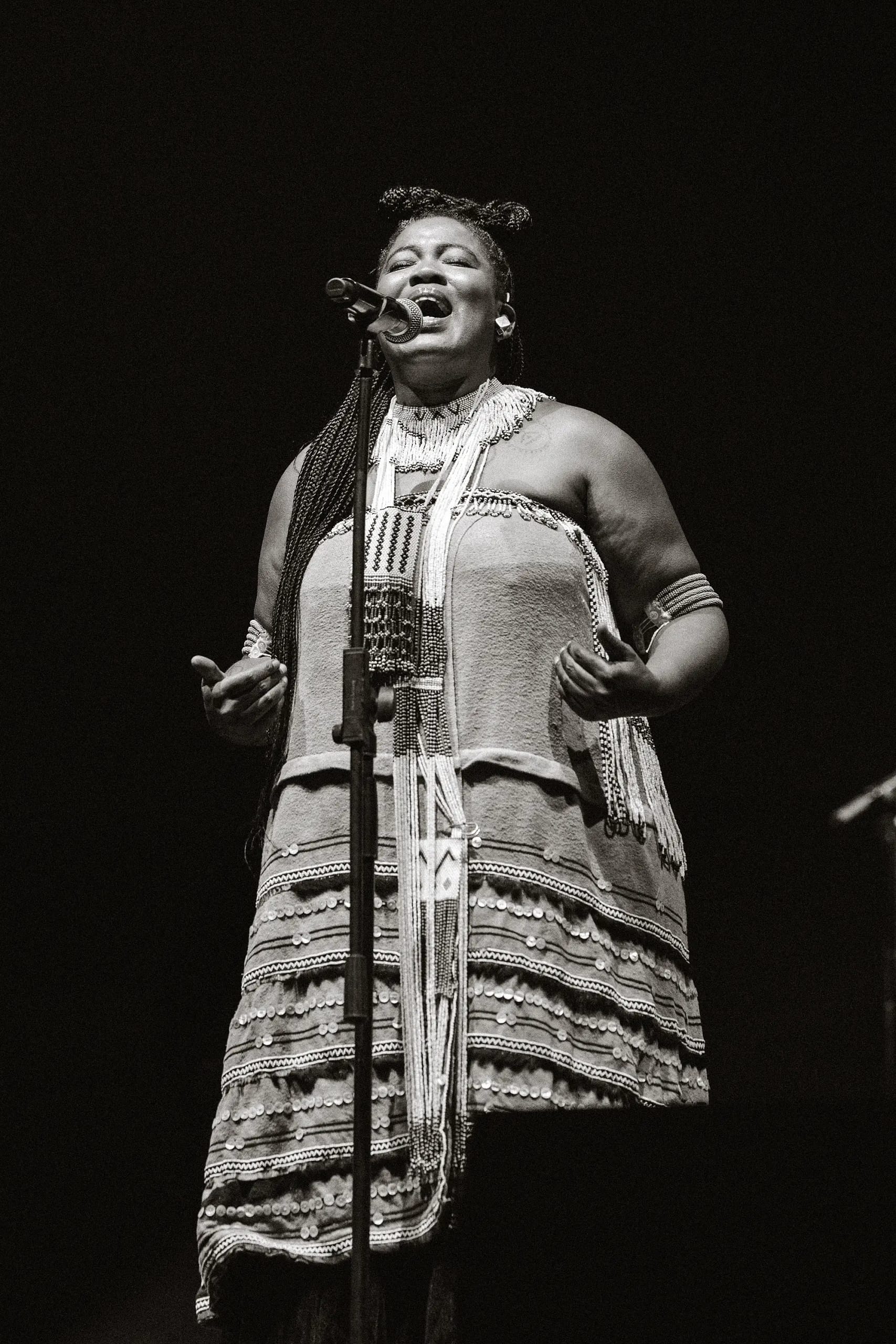
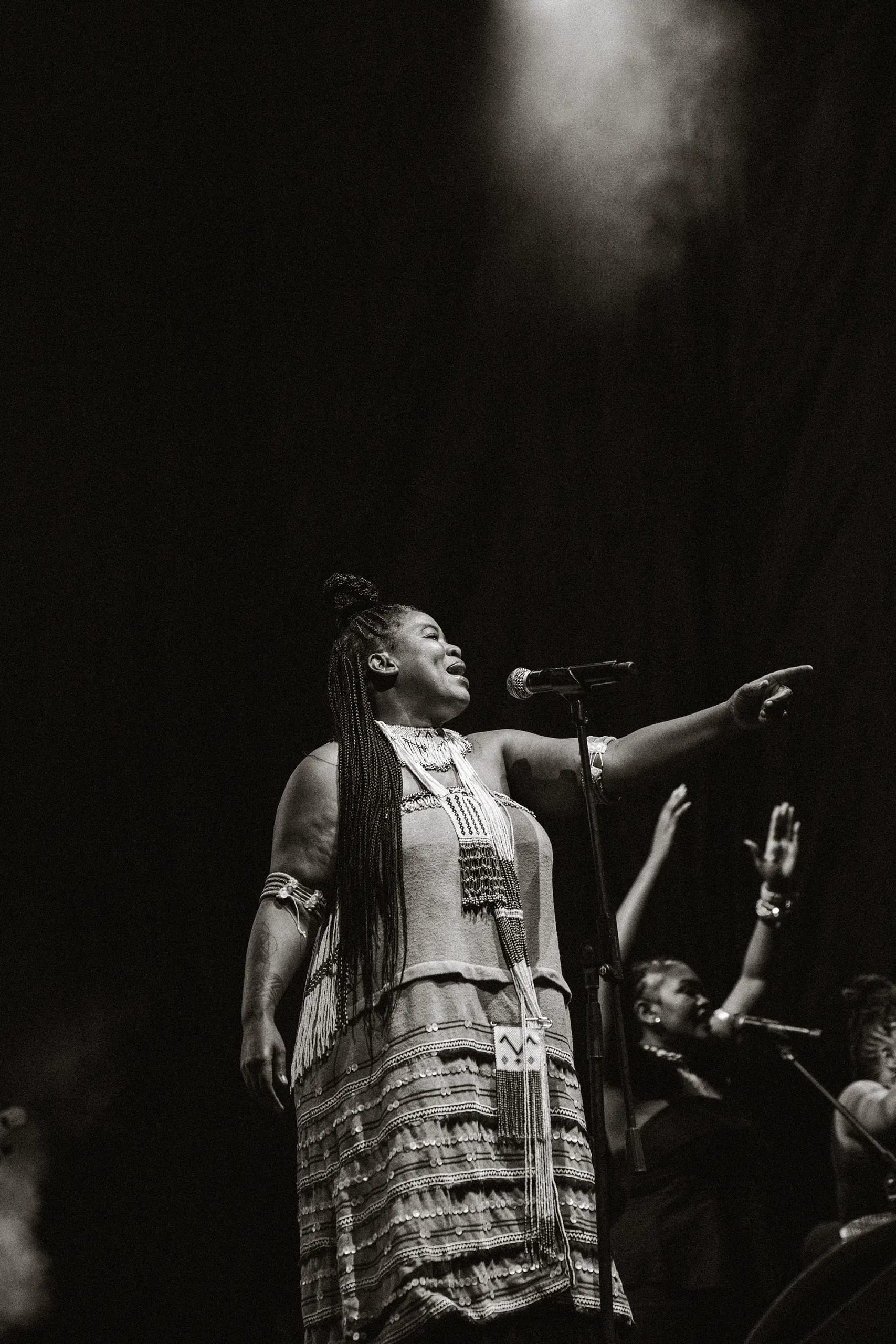
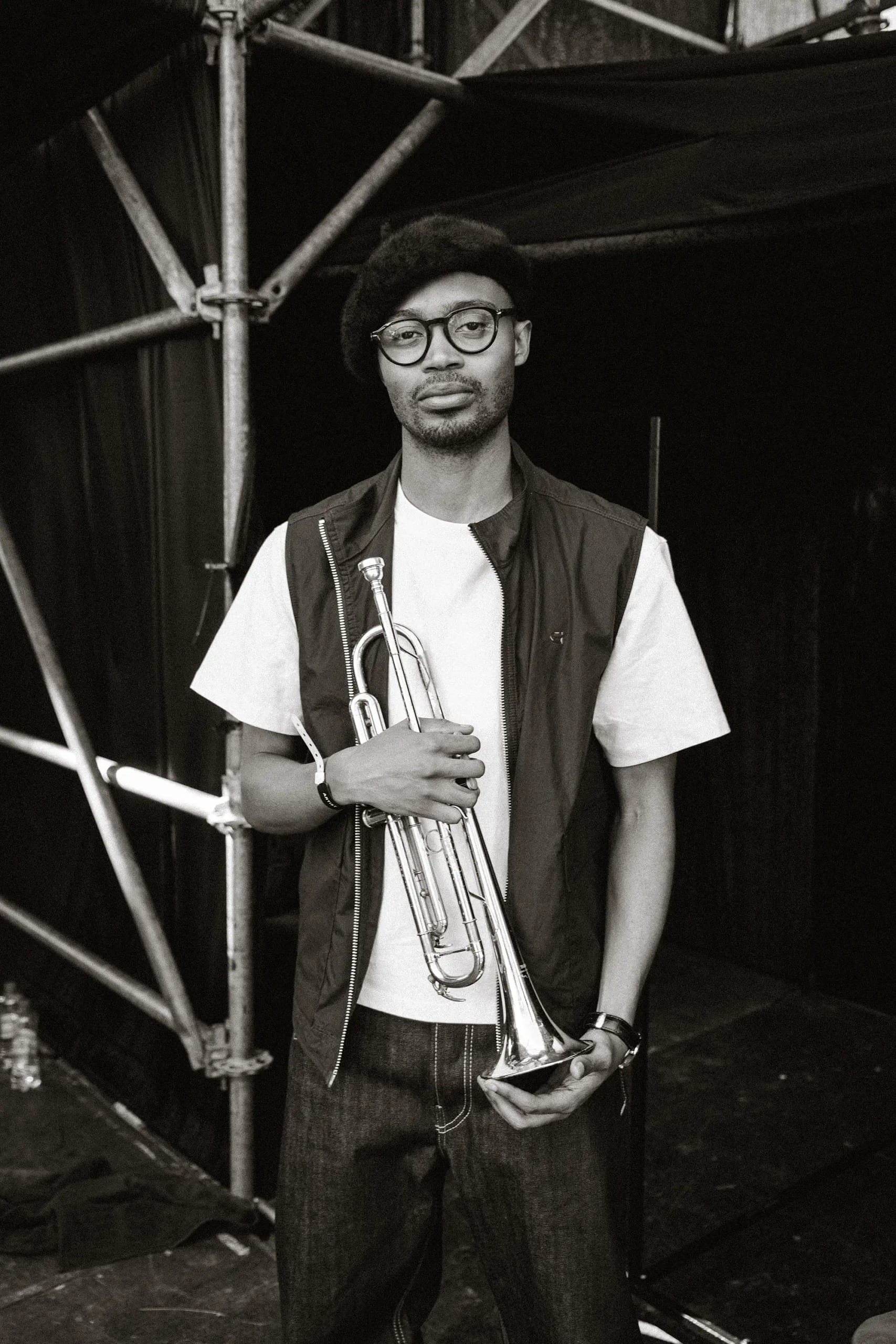
One of the weekend’s most resonant moments came from trumpeter, vocalist, and composer Mandisi Dyantyis, whose performance stood out as a clear crowd favourite. His set infused jazz, Afro-soul, and isiXhosa tradition, carrying a depth and emotional clarity that cut through the festival’s broader energy. The response was immediate, with the crowd leaning in, observing, and marking his performance as one of the festival’s defining highlights.
The festival wound down with a free Sunday street takeover, featuring live music across Franschhoek’s main Huguenot Street.
In its first South African iteration, Montreux Jazz Festival successfully balanced international pull with local resonance. If this debut was anything to go by, Franschhoek has positioned itself as a compelling new feature within the global jazz circuit as a space for exchange, experimentation and return.