In conversation with tolu oye: meji meji's winter 2025/26 collection
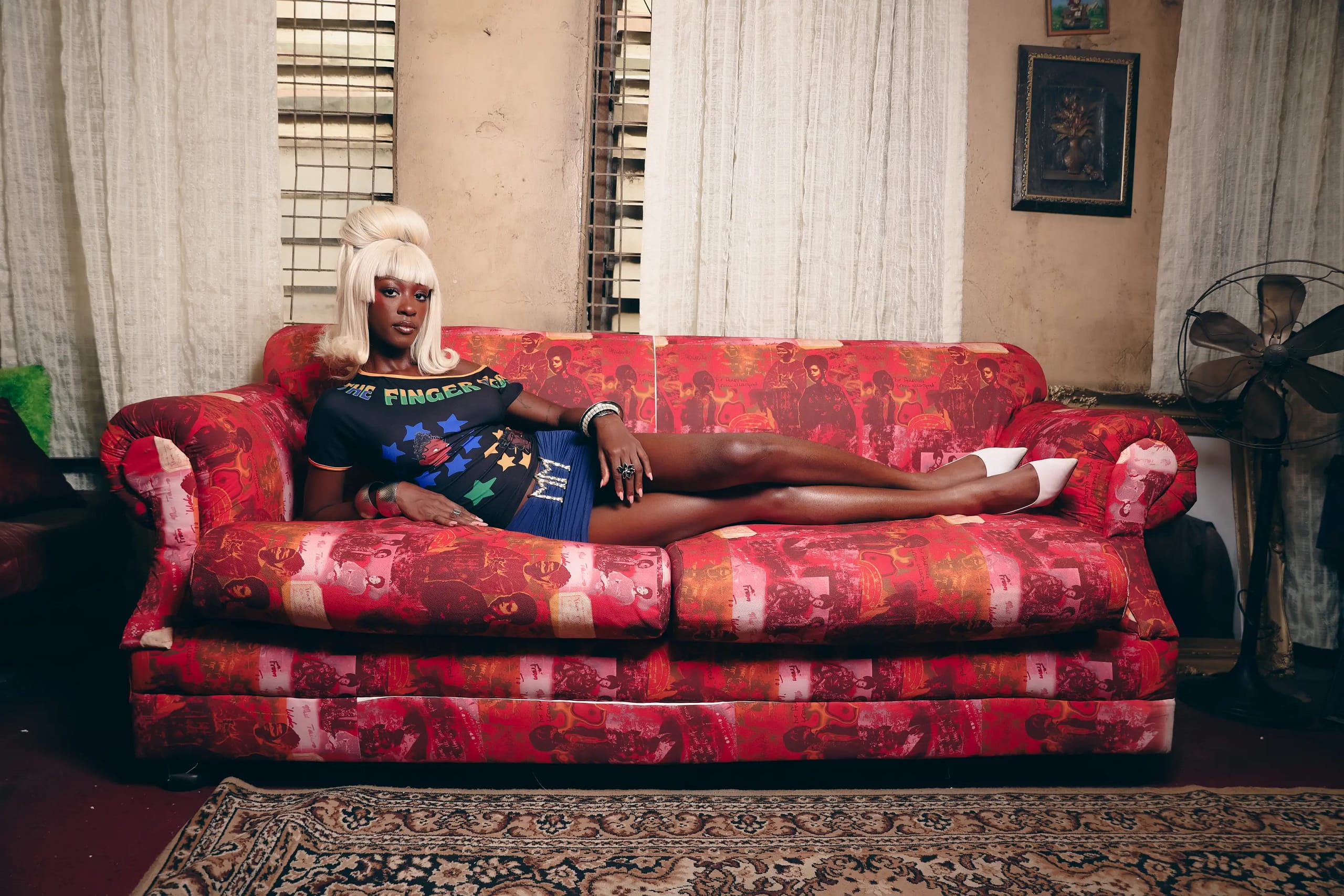
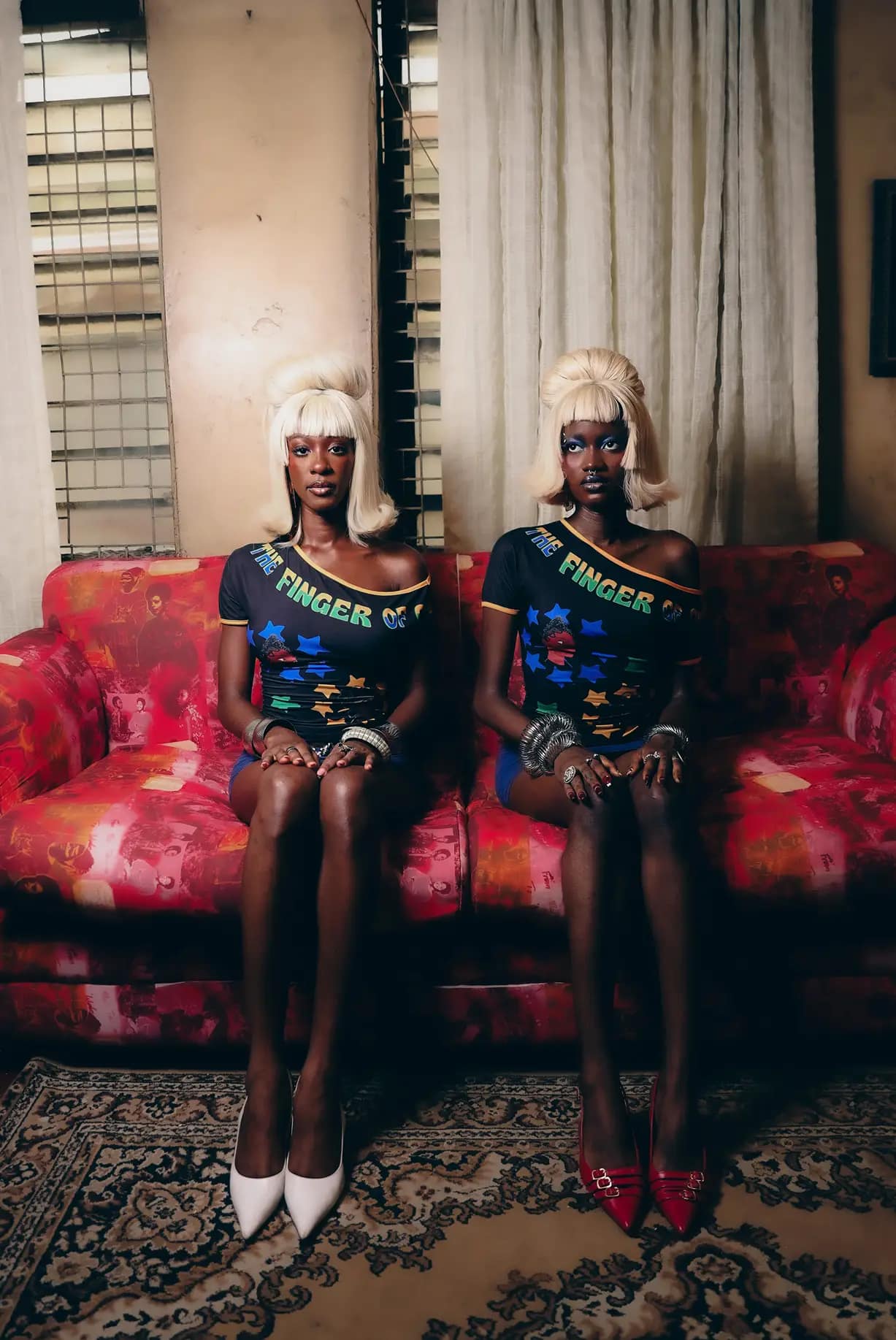
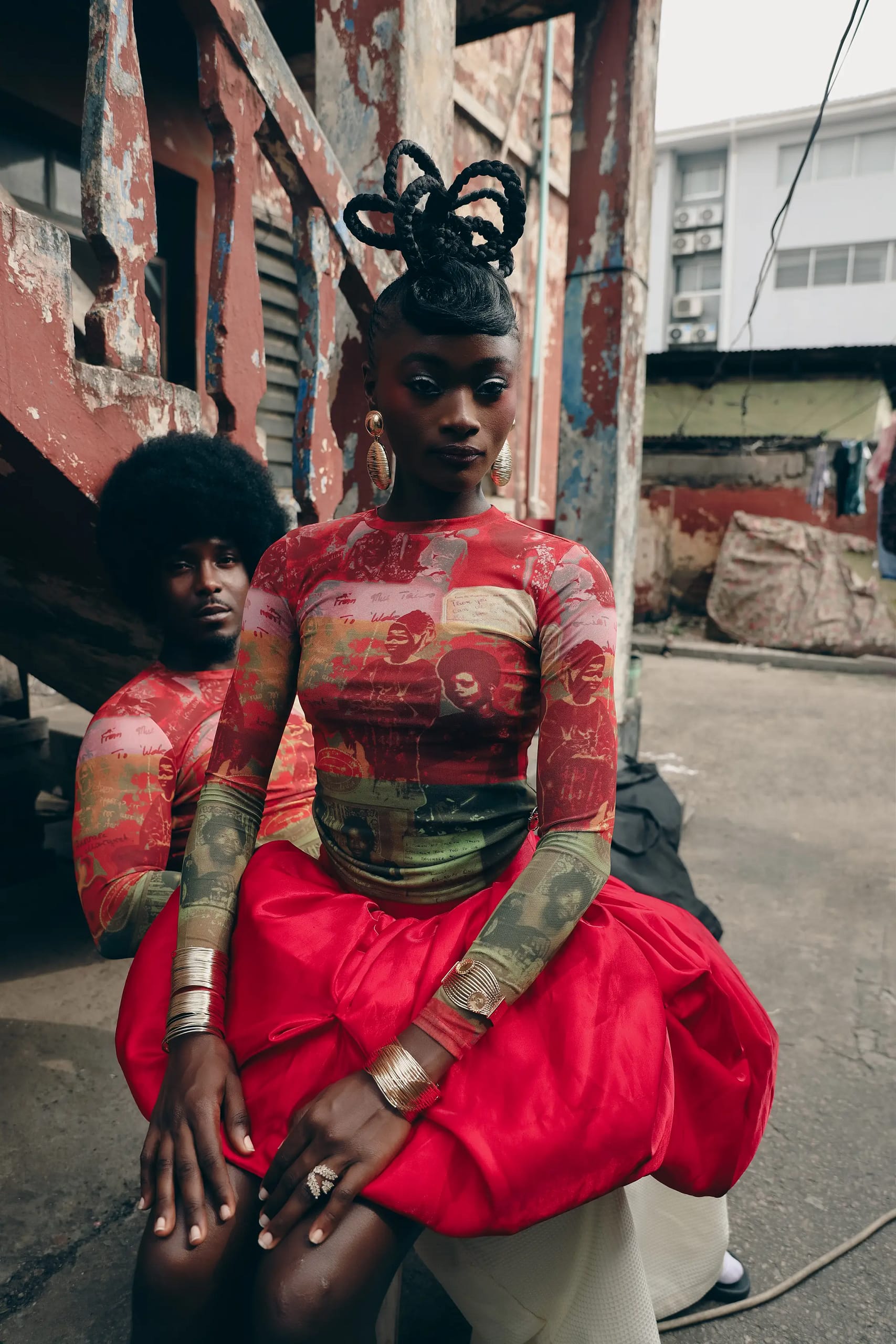
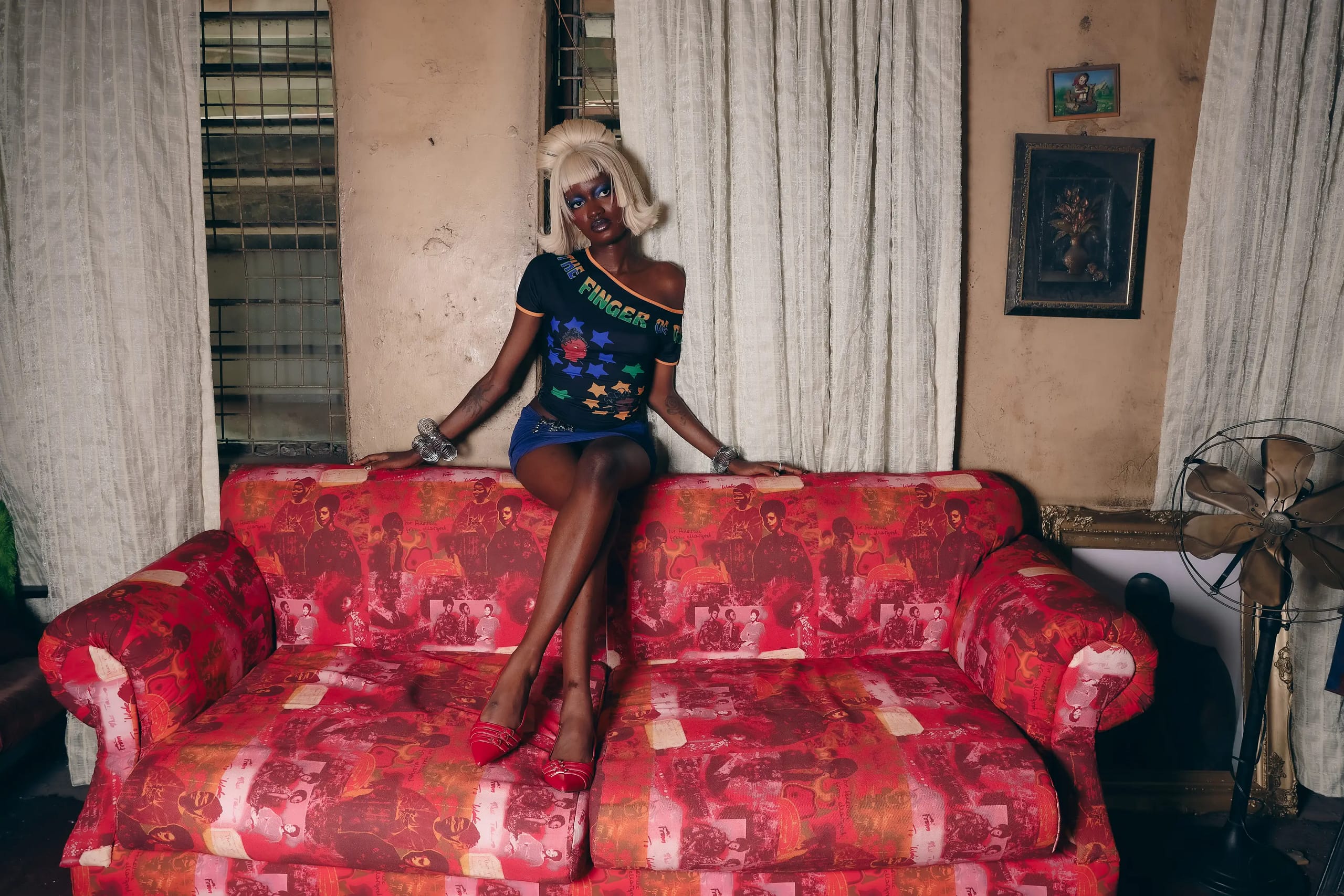
Redefining how Nigerian culture is viewed worldwide by highlighting the beauty in nostalgia, Nigerian fashion brand, Meji Meji, aims to document the history of Africans to be told by them rather than for them. Using fashion as a medium for personal and cultural expression, Meji Meji moves beyond simple aesthetics to translate private memories into a communal fashion statement. For Tolu Oye, founder of Meji Meji, discovering a forgotten family archive of 1950s-70s photographs and love letters became the blueprint for her brand’s identity: a celebration of duality and contemporary heirlooms.
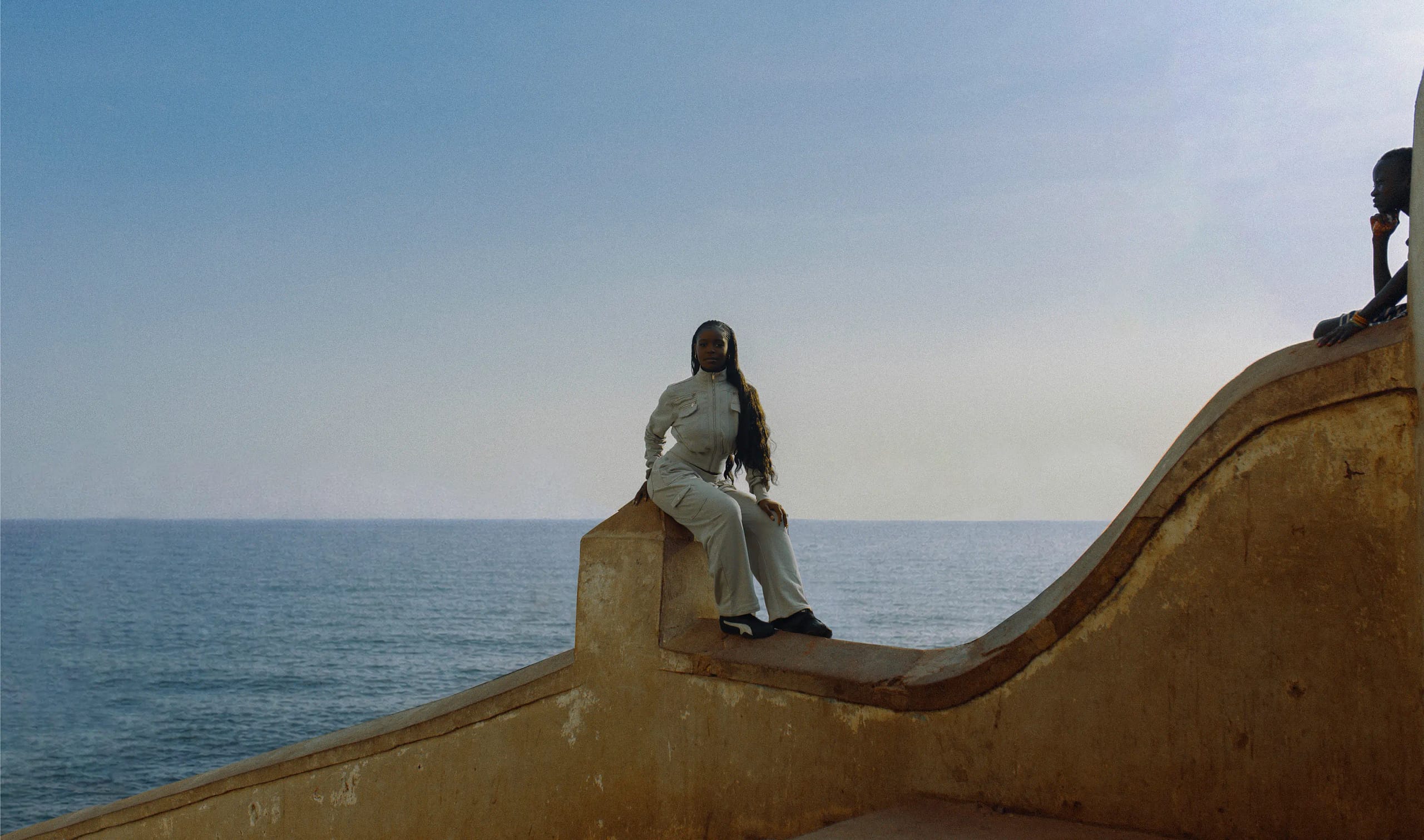
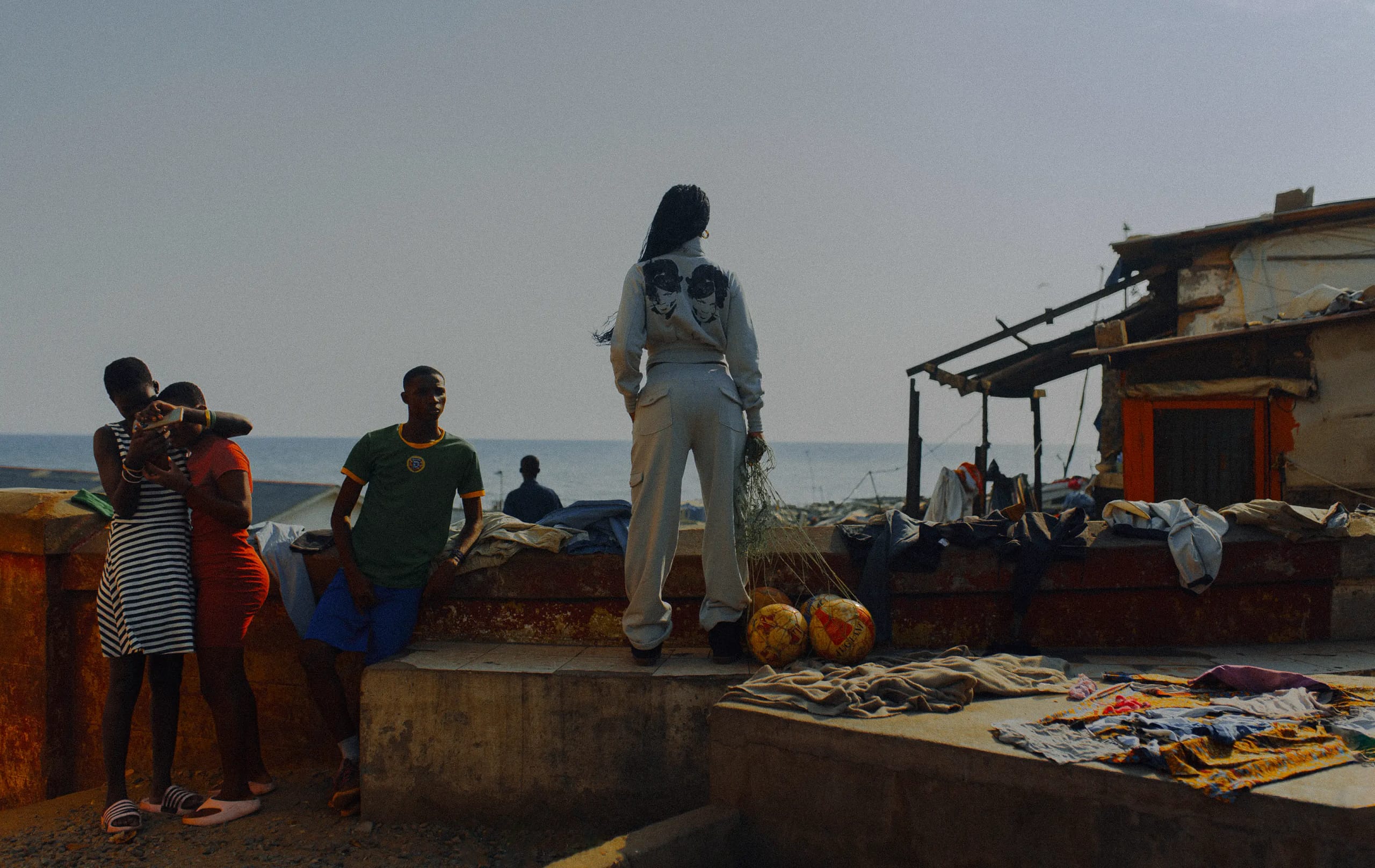
With the launch of the Winter 2025/26 Collection, Meji Meji takes inspiration from the typography of Lagos transit to the rituals of soul sisterhood, bridging the gap between the African past and a global future. We sat down with Tolu Oye to discuss how she’s turning the “Lagos hustle” into wearable history.
20 april 2026
By Shai Rama
Manor: Can you tell us a bit more about what inspired Meji Meji’s Winter 2025/26 Collection?
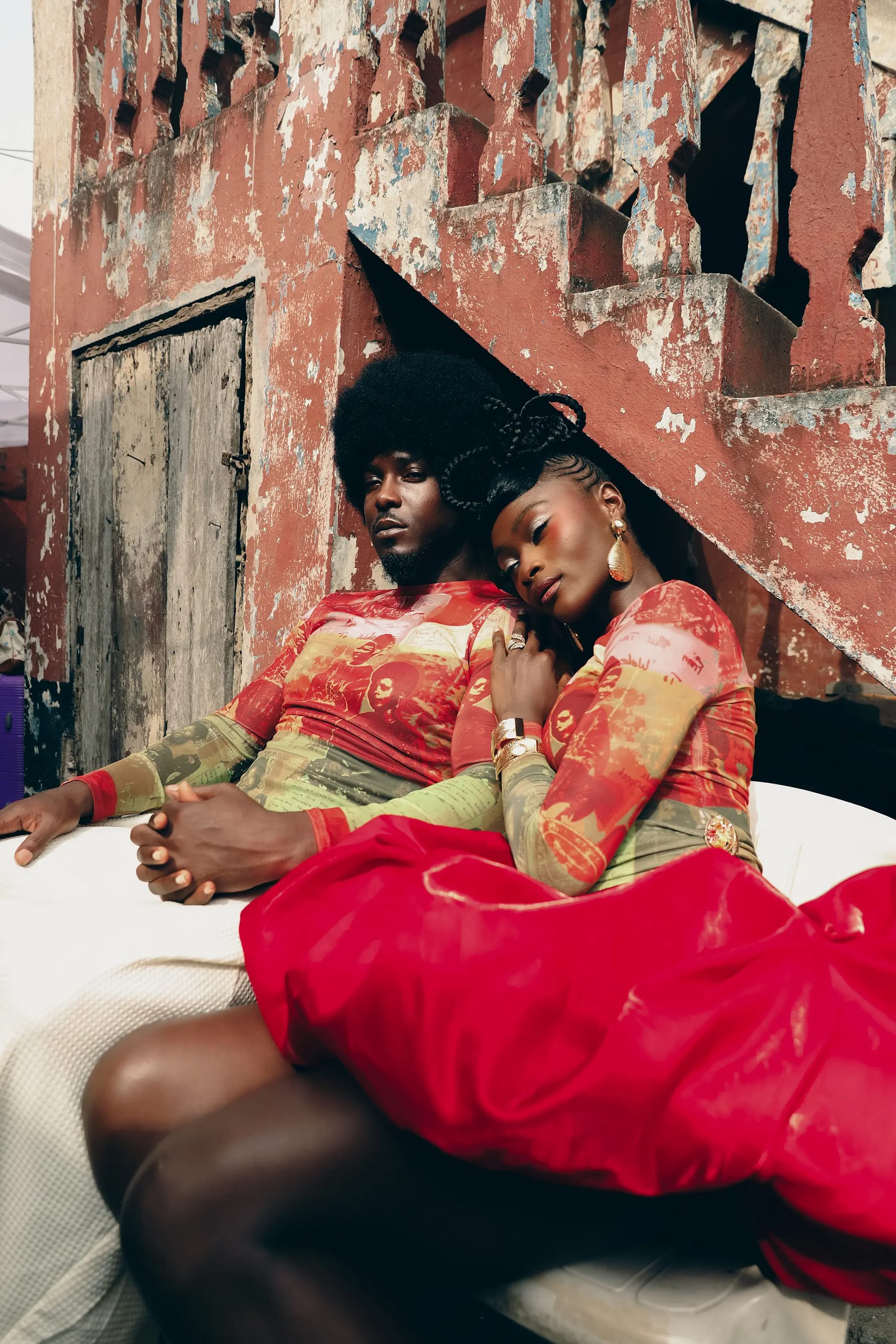
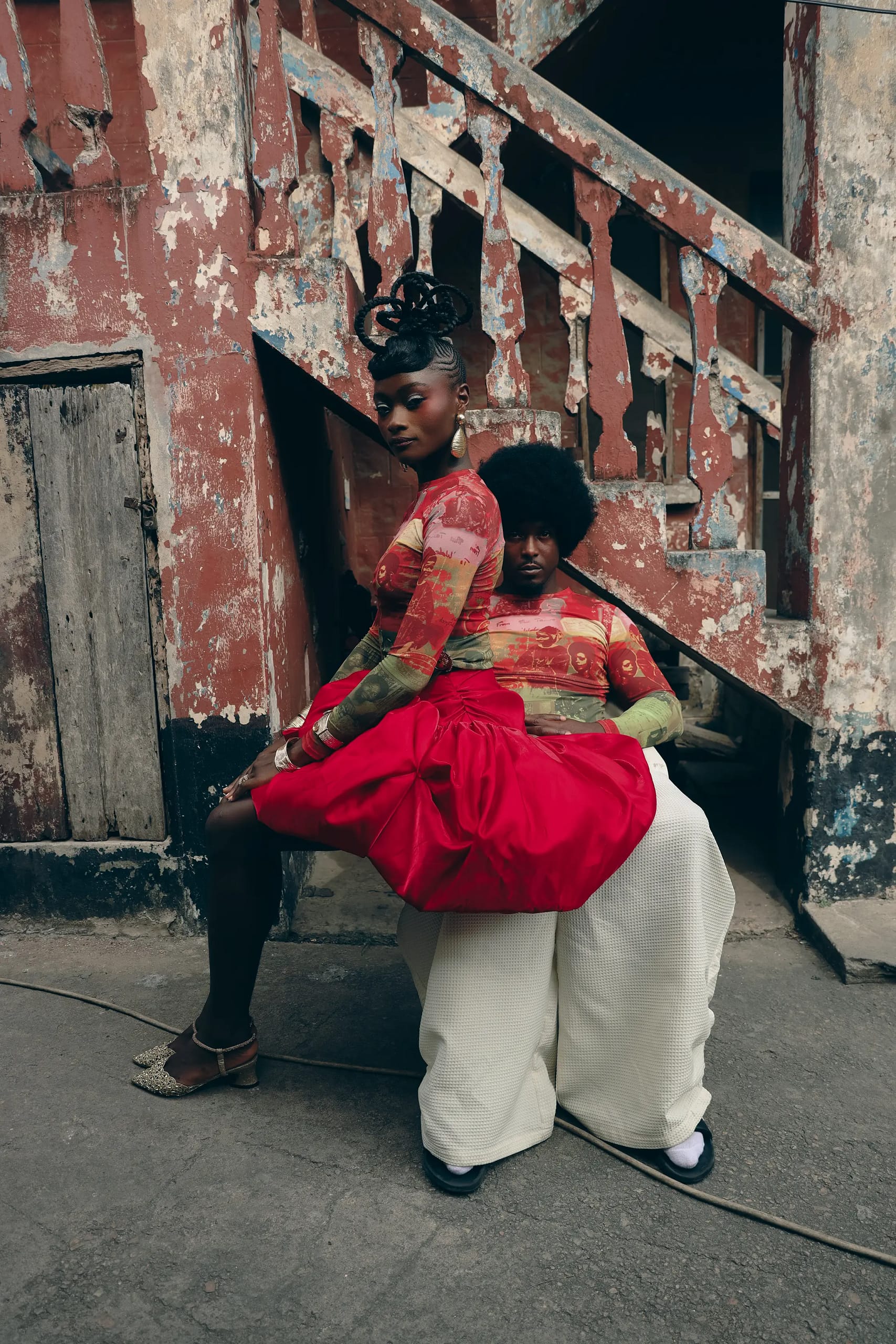
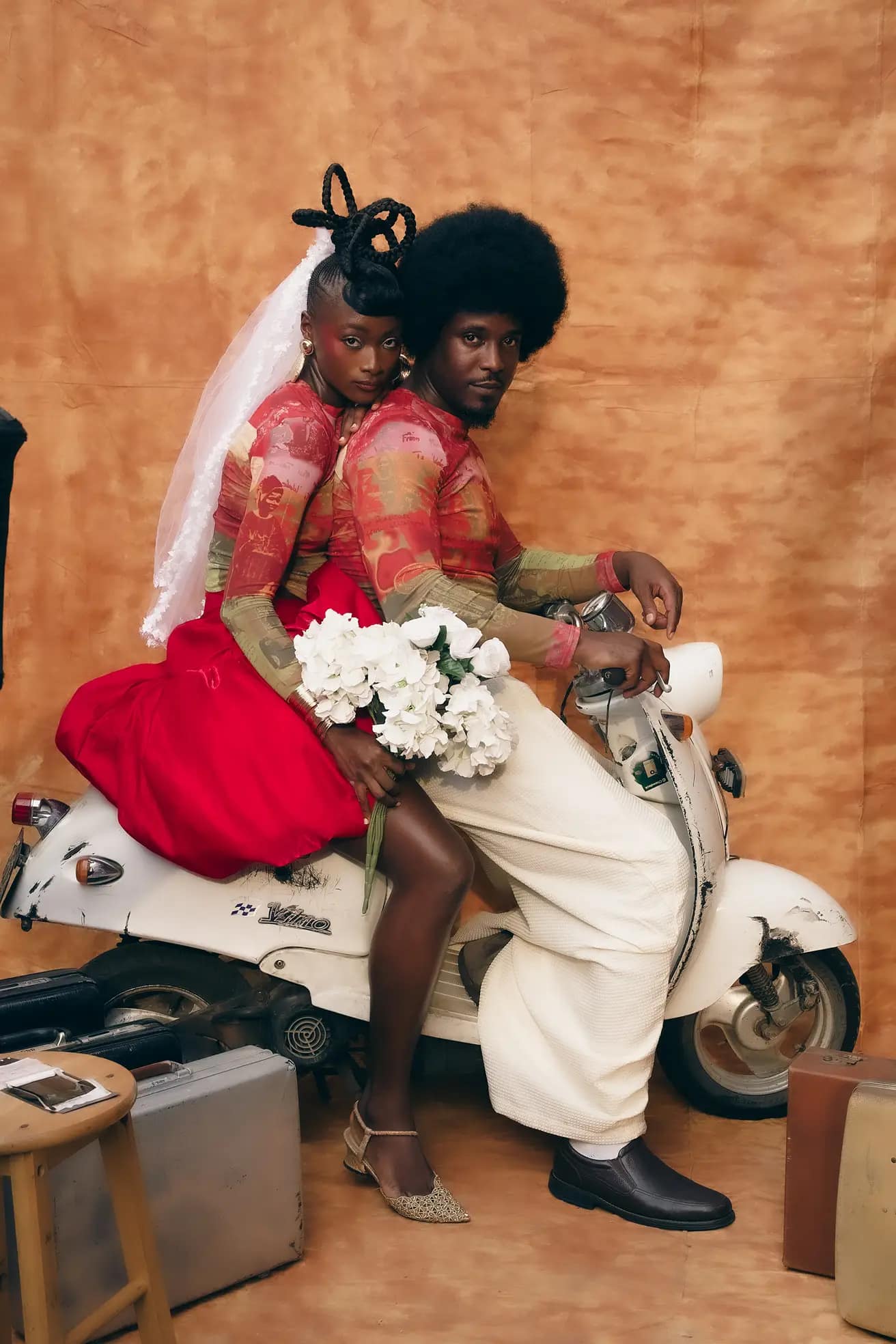
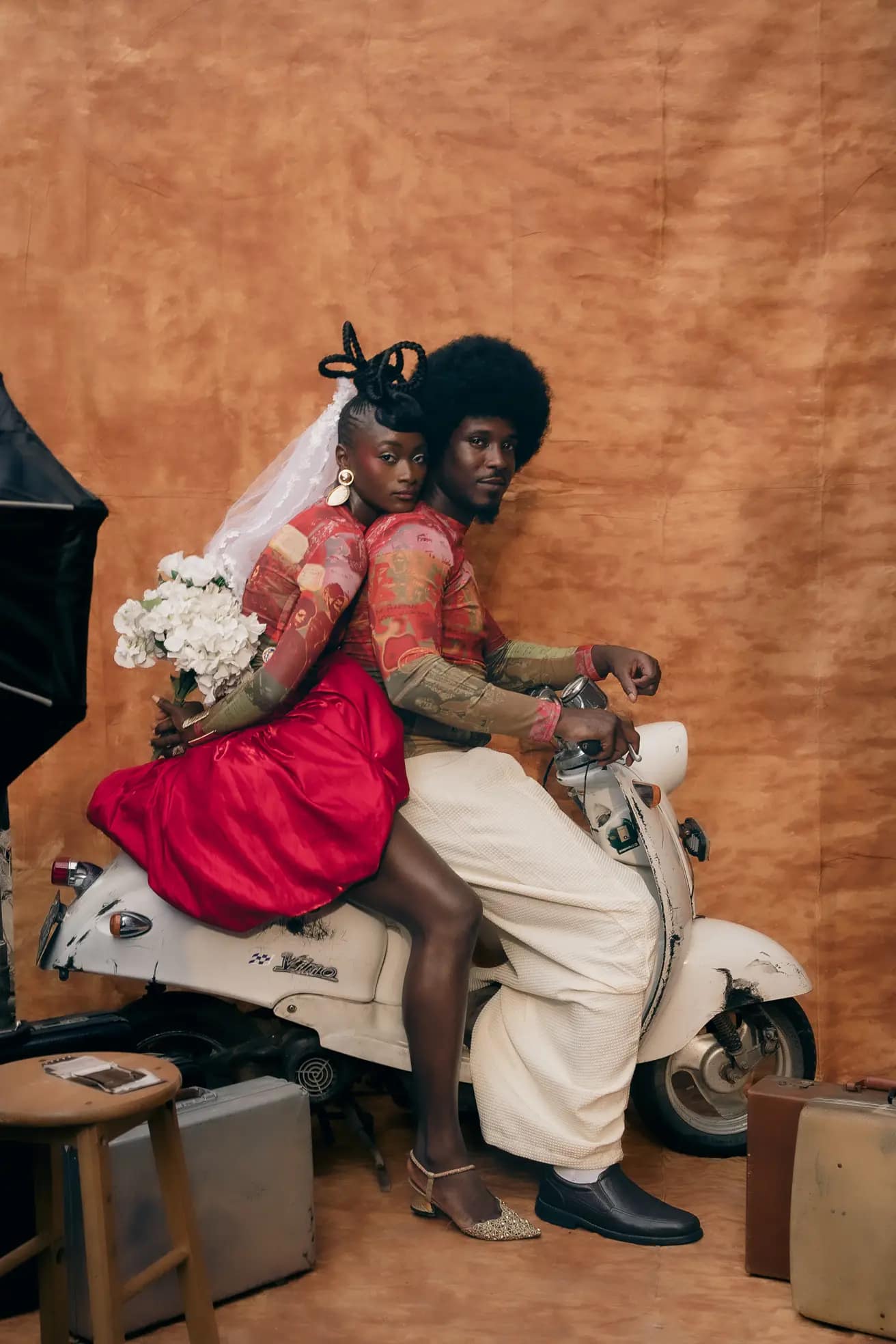
Tolu Oye: The Winter 2025/26 collection was deeply inspired by a personal moment from 2021, when I moved back to Nigeria and visited my grandmother in Agege. She lives on a street called “Ore Meji,” which played a big role in inspiring the name of the brand. “Ore Meji” translates to “two friends,” and Meji Meji is a creative play on that idea of duality 2/2. During that visit, I went through old storage sheds with the intention of finding photos of my mom. Instead, what I discovered felt like striking gold. I came across an archive of family photographs, postcards, and handwritten sayings spanning the 1950s, ‘60s, and ‘70s. It was like uncovering a time capsule: an intimate look at memory, migration, and storytelling across generations.
Coming from a design background, where collage-making was a daily exercise, I felt drawn back to that process. I wanted to translate that feeling into the collection, creating pieces that feel like heirlooms. Each design reflects the idea of a “stamp in time,” inspired by family albums, photo prints, vintage stamps, and love letters that have traveled across decades. We worked through the design process with three different textile designers before finding the right collaborator to truly bring this project to life. But the truth is that this project has been in motion since 2019. I brought these images back with me and scanned them in my school library, holding onto the idea that one day I would create something meaningful from them. Years later, seeing it come to life feels incredibly full circle. It’s a reminder to me that good things take time and that intention, when nurtured, always finds its moment.
M: Why did you feel like it was the right time to transition your grandmother’s private photo archives into a communal fashion statement after years of them influencing your work behind the scenes?
TO: We celebrated my grandmother’s 70th last December and all her children and grandkids traveled from far and near, commemorating her celebration of life. Being the artist I am, this collection felt like a gift to my family.
M: Why was it important to ground this release in daily rituals rather than focusing on monumental or historical events?
TO: There’s beauty in the daily things: watching my grandmother do the most common thing that comes to us which is laundry, washing her clothes by hand, and hanging it on the clothing wire outside. The days stretch out wide and we ought to recall them singularly. I call myself a culture custodian so it’s important to continue to spread elements of our culture that deserve to be seen. Also, building a Pan-African brand where tradition is shared across regions.
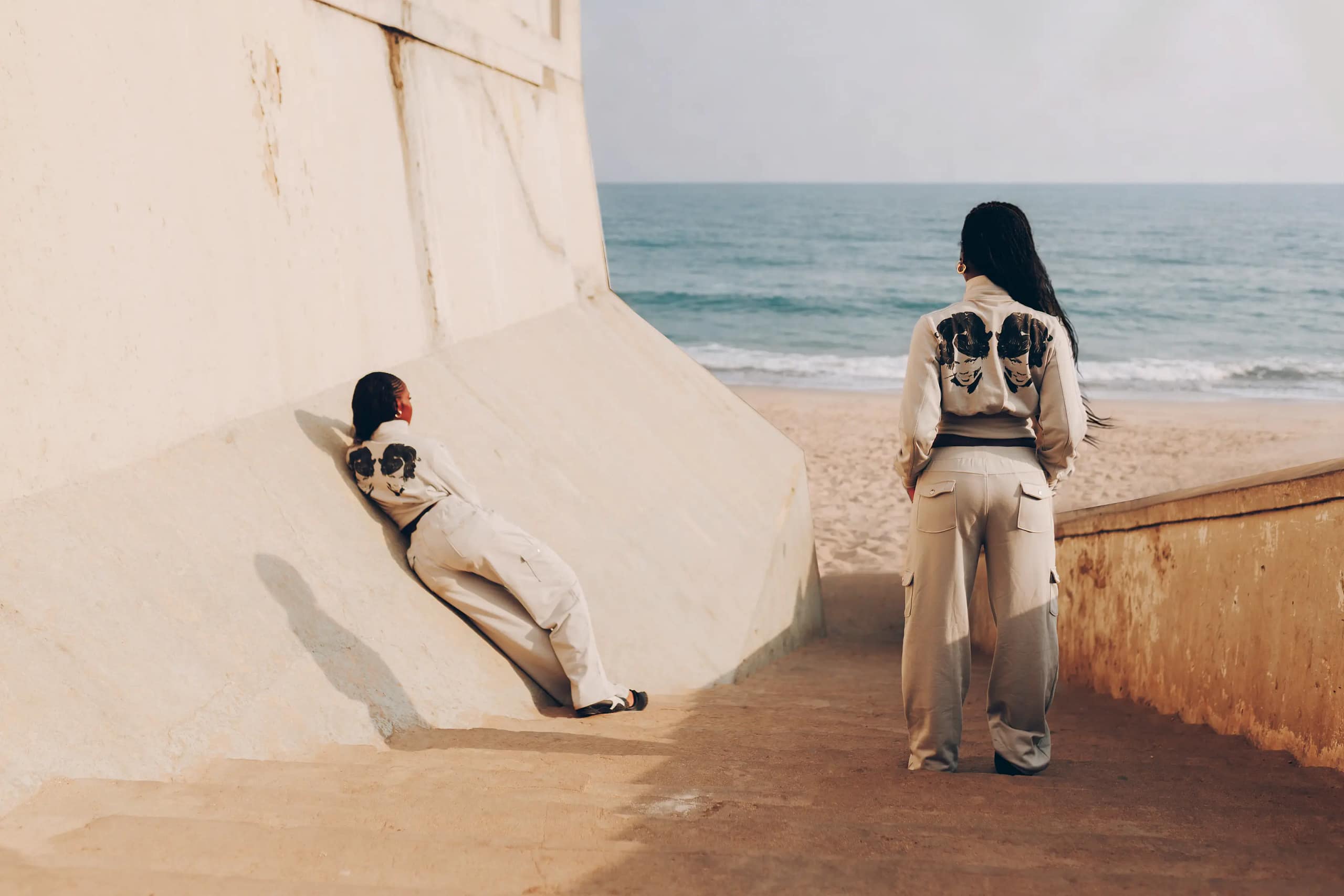
M: Was there a specific moment or relationship in your own life that inspired the Soul Sister Tracksuit Set?
TO: My sister moved to South Africa for a program with Princeton in Africa, and being the big sister, I decided to tag along. The truth is, anywhere she moves, no matter if it is across the world, I will be there. When you are heading to the airport for a life-changing trip, you need the right outfit. We have always traveled together in our favorite sweat sets, and that ritual became the heartbeat of this design. I wanted to create something special for all the soul sisters out there who share those same unbreakable bonds and traditions.
M: What does the concept of a contemporary heirloom mean to you?
TO: The concept of a contemporary heirloom is about bridging the gap between what was and what is. It is the idea that an object can hold the weight of history while still being functional and relevant for a modern lifestyle. Traditional heirlooms are often kept behind glass or tucked away in trunks because they are too fragile to use. A contemporary heirloom, however, is designed to be lived in. It takes the soul of those preserved memories like old photographs or lived memories and translates them into something you can wear on your sleeve.
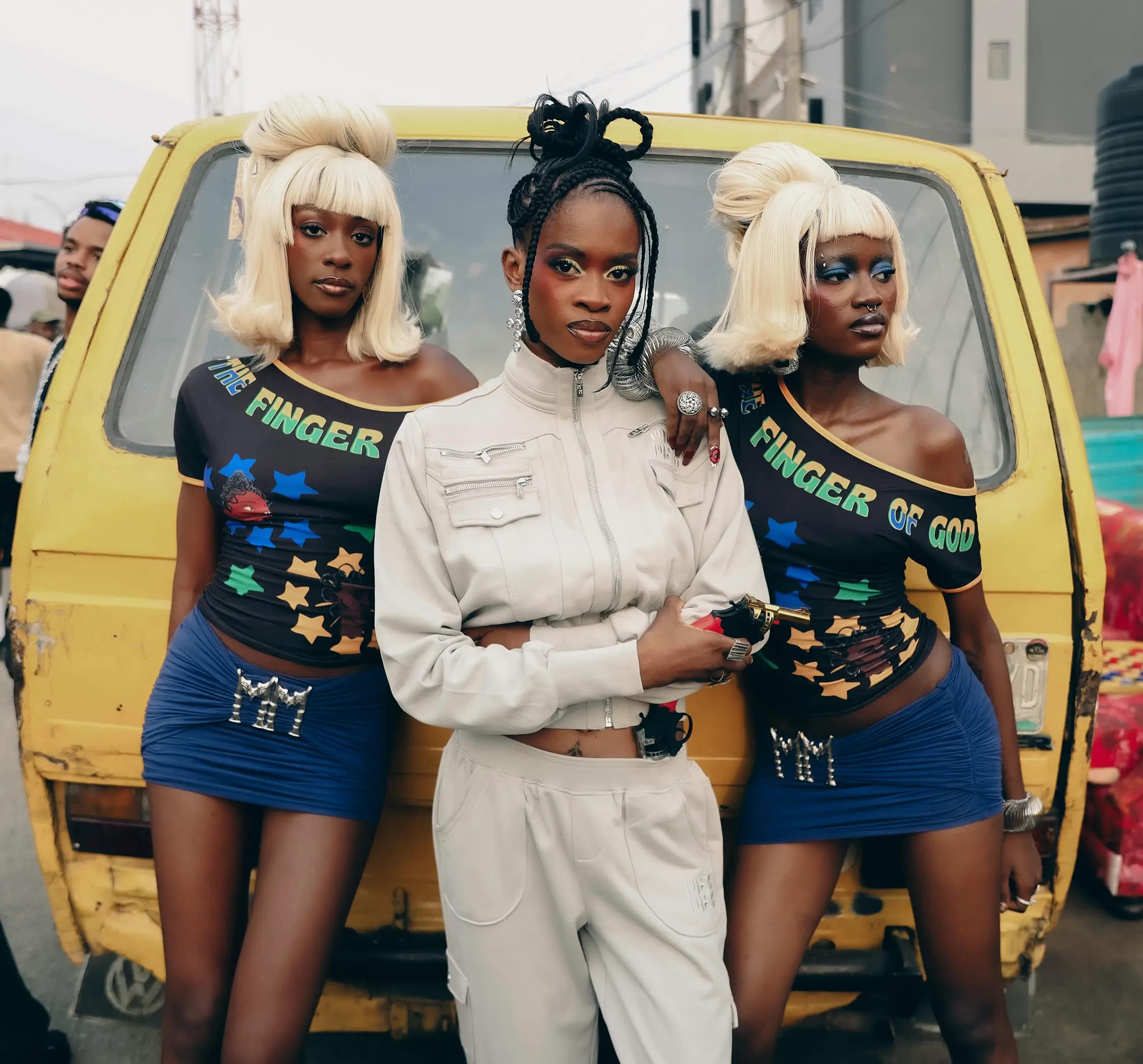
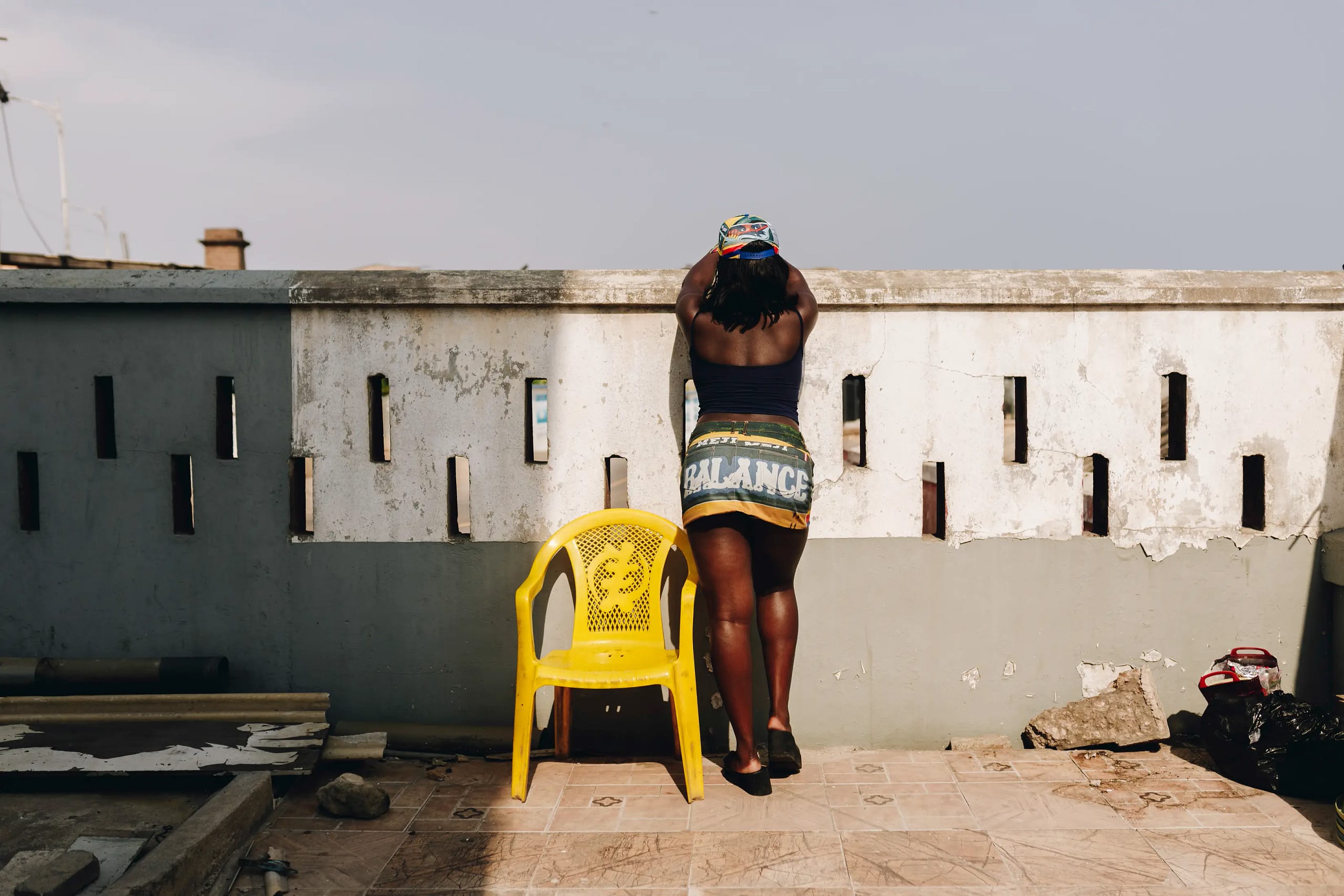
M: Working with Chukwuka Nwobi brings the “Lagos hustle” to life. When designing the Danfo Skirt and Hat, how did you translate the rhythm and movement of city transit into a wearable garment?
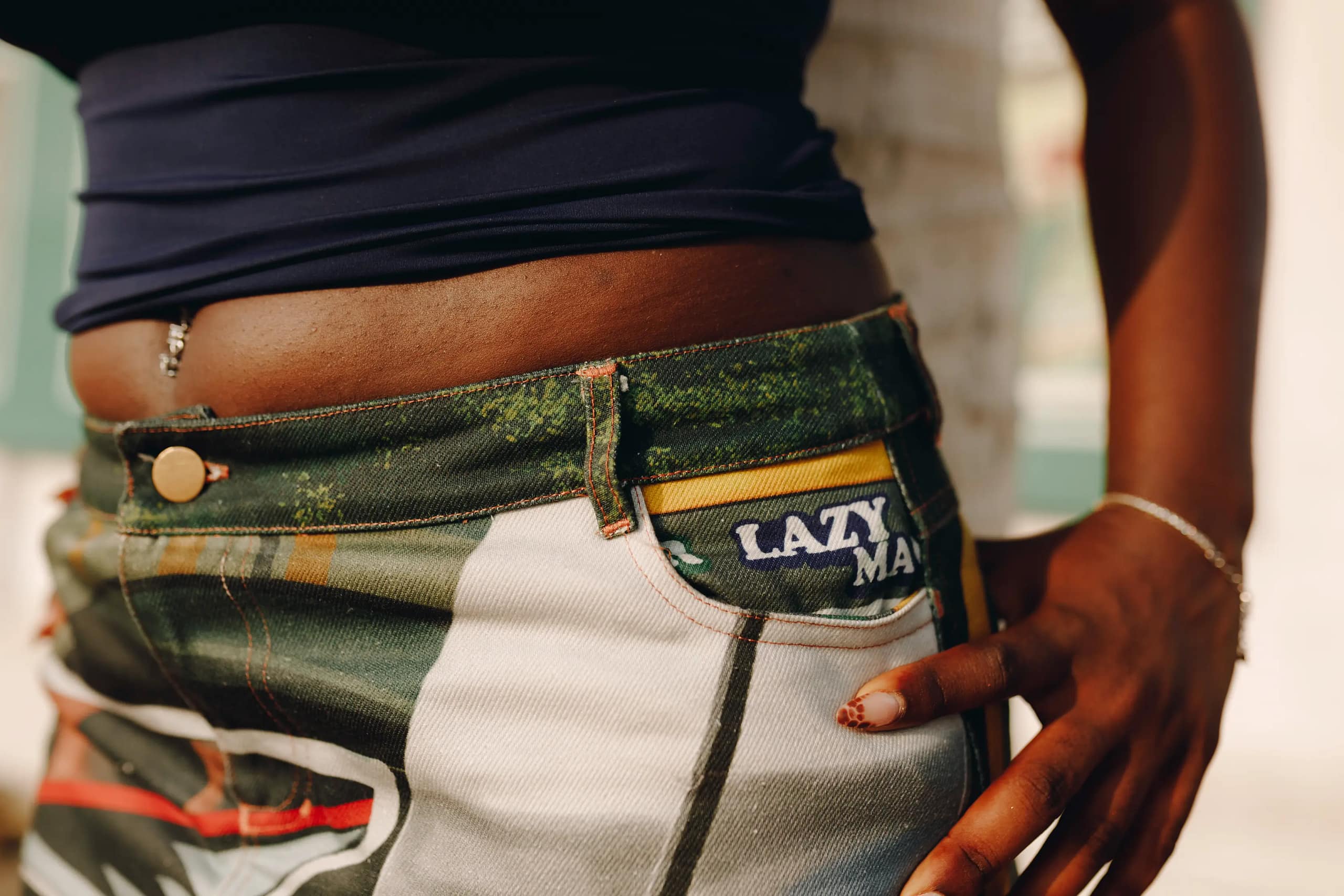
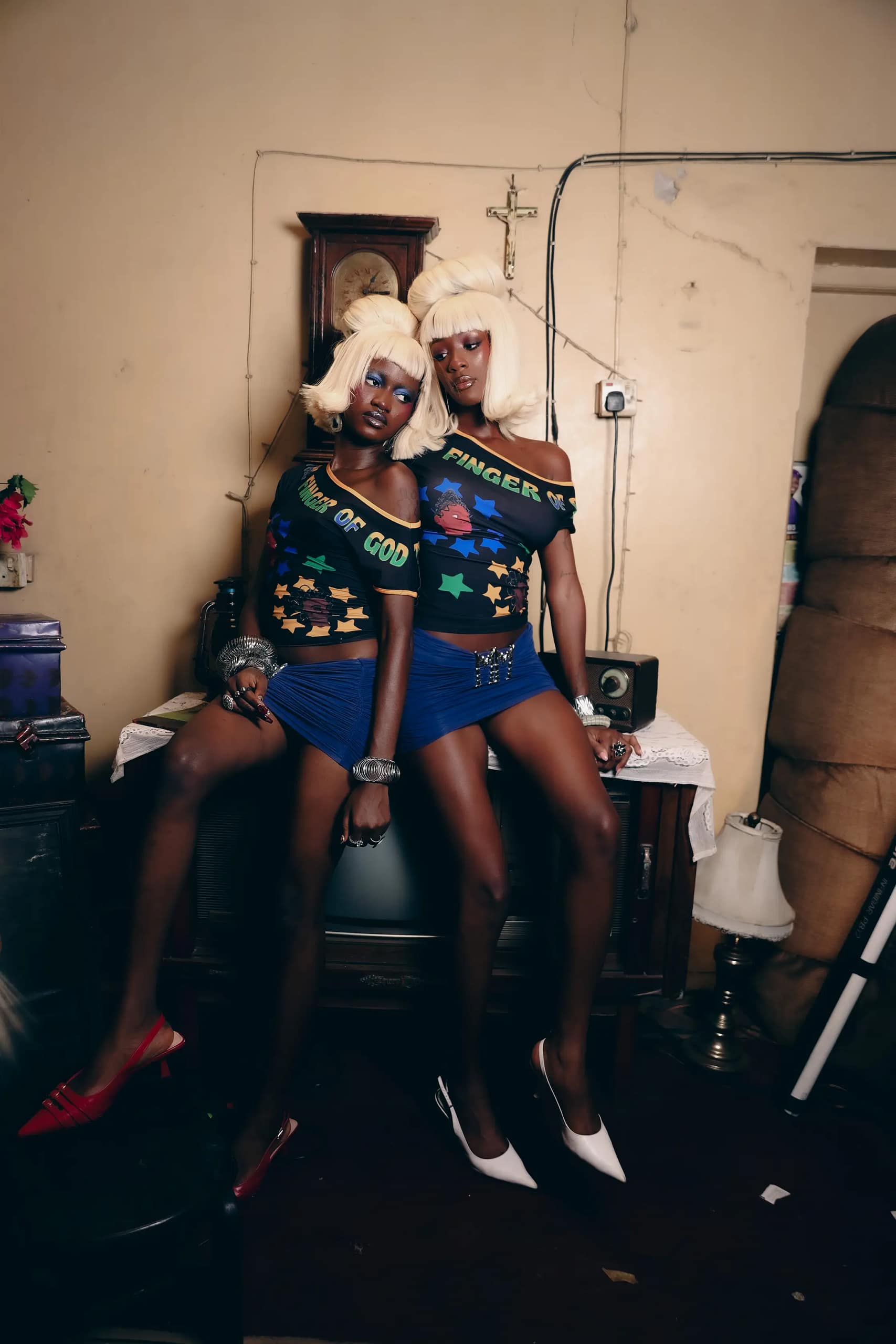
TO: Working with Chukwuka Nwobi allowed us to truly capture the “Lagos hustle.” Lagos is fast and constantly in motion, but comes with involuntary pauses like in the non-moving traffic (go-slow) or days out with friends. Either way, everyone is going from one place to the other, primarily through public transportation. As a photographer and storyteller, Chukwuka’s documentation of the extravagant expressions found on commercial buses highlights the devotion and spirit that keep the city running. While traveling through Nigeria, Ghana, and South Africa, I became inspired by these buses as unique spaces of communication. The typography found on them carries messages of resilience, encouragement, and humor. Since Meji Meji is rooted in African typography, we translated that rhythm into the Danfo Skirt and Hat through bold visuals and intentional lettering.
This collection is built on archival family images, so collaborating with contemporary photographers like Chukwuka bridges the past and present. It allows us to commemorate both personal and collective memory, turning everyday city movement into wearable meaning.
M: How do you hope these pieces act as a shared language for the African diaspora when they are worn in cities far away from the streets of Lagos?
TO: I hope these pieces serve as a visual signal and a connection to home. Whether you are in London or New York, the pieces act as an “I see you” to anyone who knows, like a nod to a stranger with a shared identity in a world without the lot of you. I hope to start global conversation on the topic of our realities in order to preserve them. These pieces allow the diaspora to carry the spirit with them, proving that our shared culture is not tied to a location, but to how we express ourselves.
M: Beyond aesthetics, how does Meji Meji aim to redefine the global perception of Nigerian and African culture in the foreseeable future?
TO: I believe we are already changing the trajectory of how African brands are being perceived on a global scale. Our mission is clear: highlighting the rich beauty and history of our culture and shared culture. Creating a space for and inspiring other brands in the aspect of storytelling and community building. Being able to build community across borders.